

The Short Answer
To become a Muslim, you declare the shahada: that there is no god but Allah, and that Muhammad is His messenger. Said with sincere belief and understanding, that declaration makes you Muslim. There is no further requirement, no waiting period and no approval process.
Everything else people associate with becoming Muslim, the prayers, the fasting, the dress, the learning, comes after and comes gradually. This article covers what the declaration involves, what changes immediately, and what genuinely can wait.
What the Shahada Means
It has two parts and both matter.
There is no god but Allah. A statement of pure monotheism. Not that there are several gods and one is greater, but that there is one God alone, without partners, without offspring, without equal.
Muhammad is His messenger. An acceptance that the revelation came through the Prophet Muhammad, peace be upon him, and that his example is the model for how the revelation is lived.
Islam understands itself as the continuation of a single message sent through many prophets, including Ibrahim, Musa and Isa, peace be upon them all. Muslims are not asked to reject those prophets. They are asked to accept that the message they carried is completed in the final revelation.
How It Is Said
Most people say it in Arabic, because that is the language of the revelation, but the meaning is the requirement rather than the language. Saying it in English with full understanding is valid. Many people say it in Arabic and then in their own language so that the meaning is present, not just the sound.
You do not need to be in a particular place, facing a particular direction, or in a state of ritual purity. You do not need to have memorised anything else first.
Do You Need Witnesses?
Not for the declaration to be valid. Many people say the shahada alone, in a car, in a bedroom, at the point where the decision finally settles.
There are practical reasons some people choose to declare at a masjid with witnesses. A written record can be useful later when registering an Islamic marriage, when arranging Hajj or Umrah, and occasionally for burial arrangements. If any of those are likely to matter to you, it is worth doing at a masjid and asking for documentation.
There is also a human reason. Saying it in front of people who welcome you afterwards gives you a community from the first moment, which is the single strongest predictor of how the first year goes.
What Changes Immediately
Less than most people fear, and one thing more than they expect.
The immediate obligation is prayer. Salah is five times daily and it is the practice that structures everything else. You will not be able to do it well at first. Learn the movements, learn Al-Fatihah, and build from one prayer to five over weeks rather than trying to be perfect from the first day.
The thing people do not expect: your past is considered wiped. A well-known teaching holds that accepting Islam erases what came before it. Many reverts describe this as the most emotionally significant part of the whole experience. You do not begin with a debt.
What Can Wait
Almost everything else, and this is where new Muslims most often burn out.
- Fasting becomes obligatory in Ramadan, but if you revert mid-month nobody expects you to begin mid-day without preparation.
- Hijab and dress are part of practice, and most women build toward them. Starting with prayer and the masjid and extending from there is a common and entirely legitimate path.
- Arabic is worth learning and will take years. Begin with Al-Fatihah and the short surahs used in prayer.
- The differences between schools of thought are not urgent. Avoid the online arguments in your first year. They will confuse a foundation that is still setting.
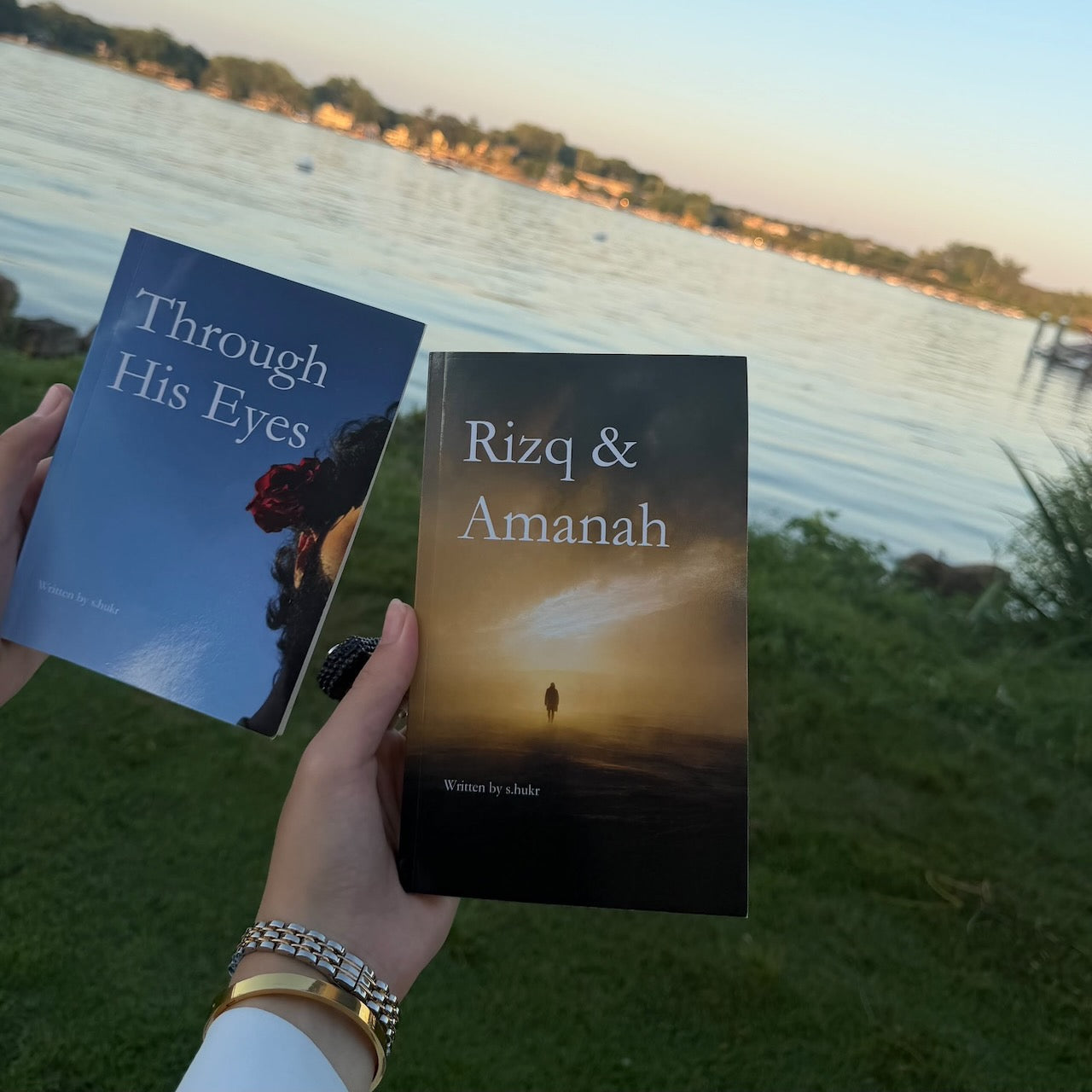
If you want reading matched to this stage rather than to a scholar's shelf, our books for reverts collection was assembled for exactly this point.
Choosing a Quran Translation
Worth a moment, because the translation you begin with shapes your early relationship with the text.
Look for a clear modern English rendering with brief footnotes explaining context. Some older translations use archaic English that makes the reading harder than it needs to be, and some editions carry commentary heavier than the text itself.
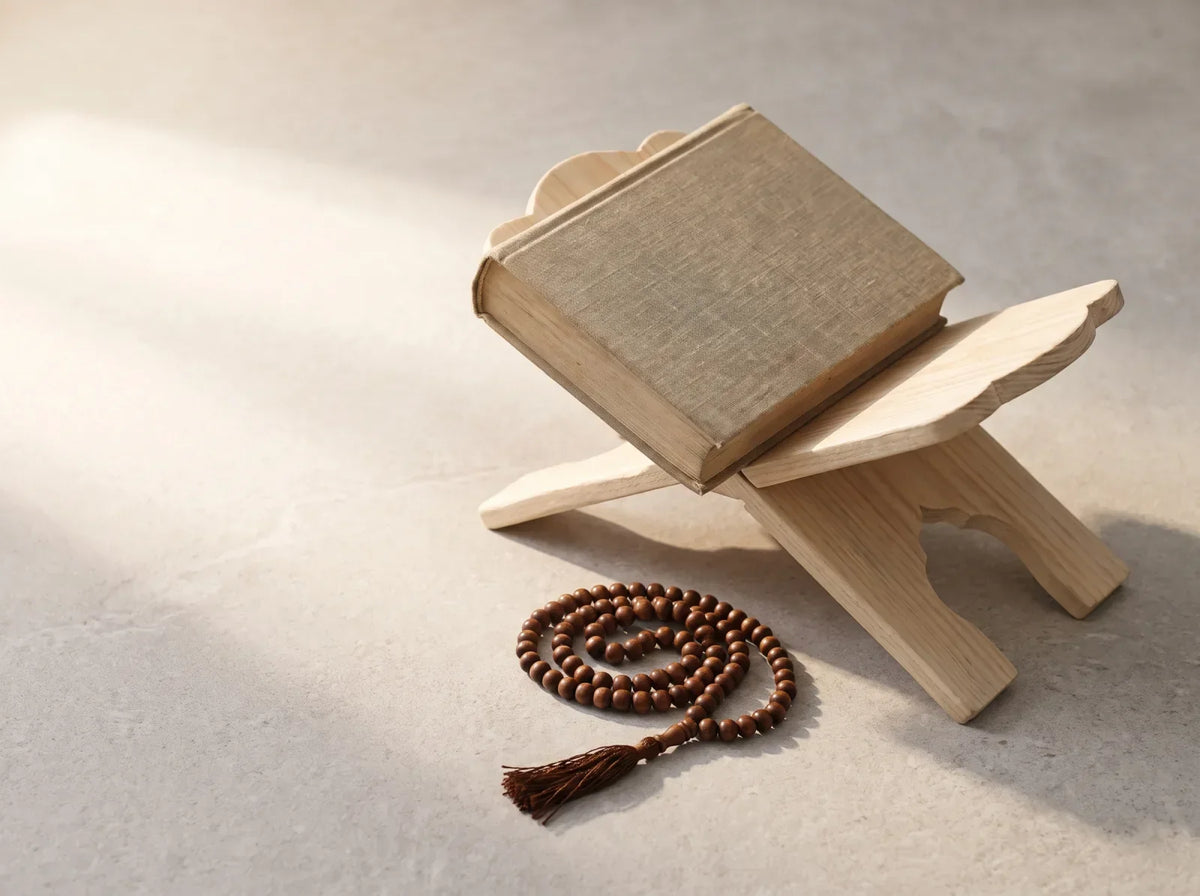
Start with the shorter chapters at the end rather than reading front to back. They are the ones used in prayer, so learning them serves two purposes at once. The Quran and hadith books collection has editions suited to new readers.
Telling People
There is no religious requirement to announce it, and no timeline you must meet. Some people tell everyone within a week. Others take months, particularly where family reactions are likely to be difficult.
Both are acceptable. Being Muslim quietly is still being Muslim. If you expect a hard conversation, it is reasonable to build some support around yourself first: a local revert group, one or two Muslim friends, someone you can call afterwards.
The First Practical Steps
If you want a concrete list for the first fortnight:
- Learn how to perform wudu.
- Learn the movements of salah and one prayer properly.
- Learn Al-Fatihah in Arabic with its meaning.
- Find a local masjid and, if you can, one person you can ask small questions.
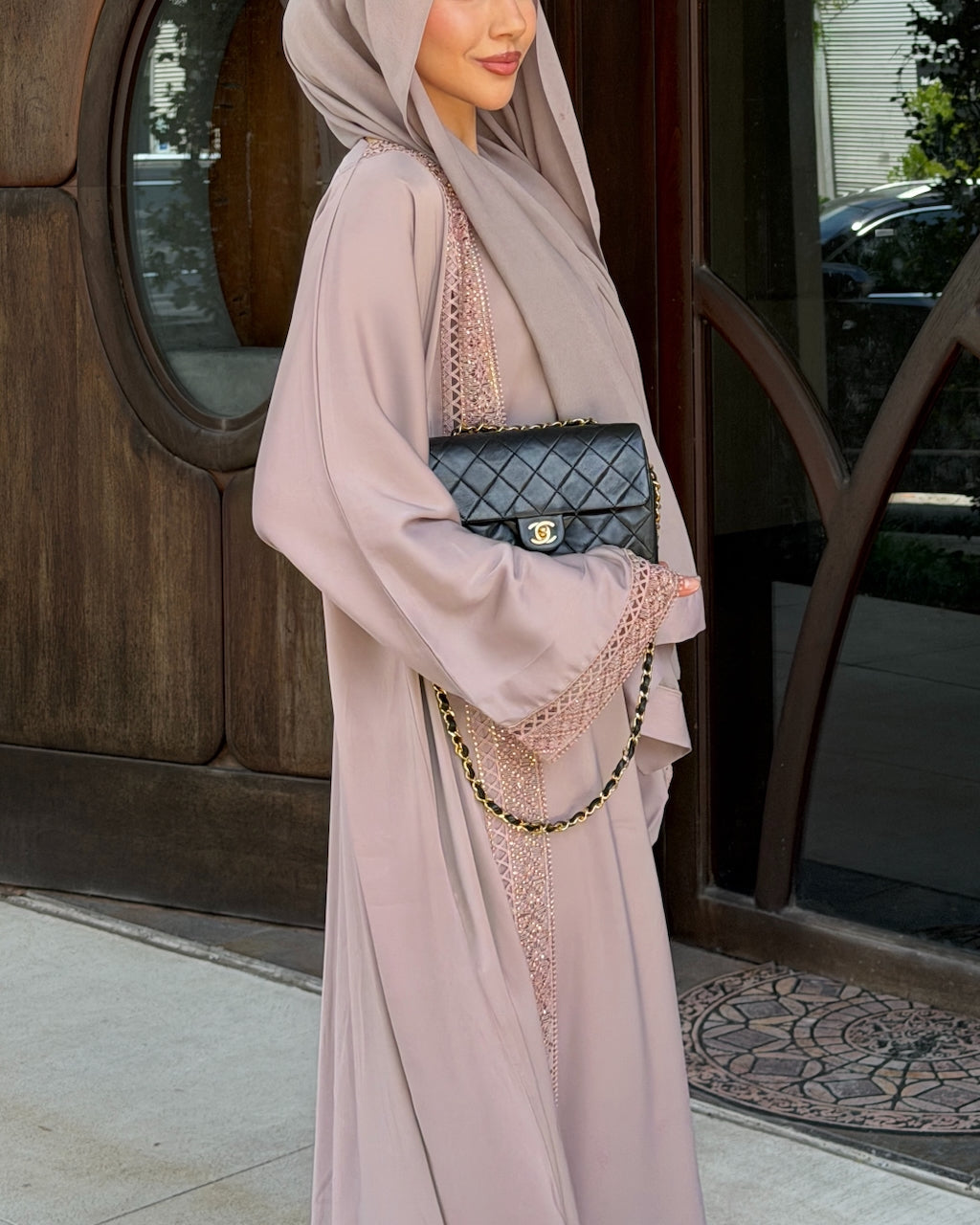
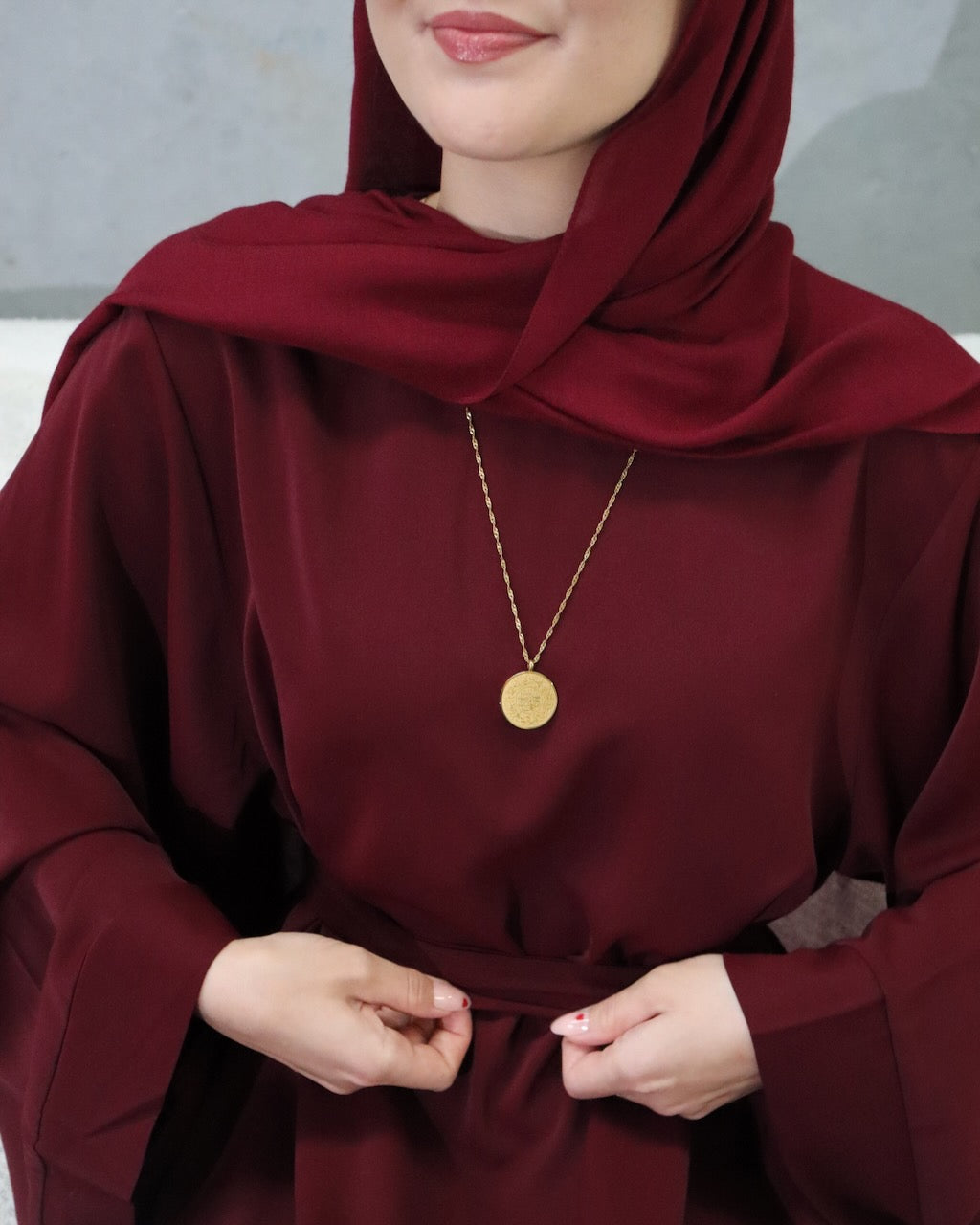
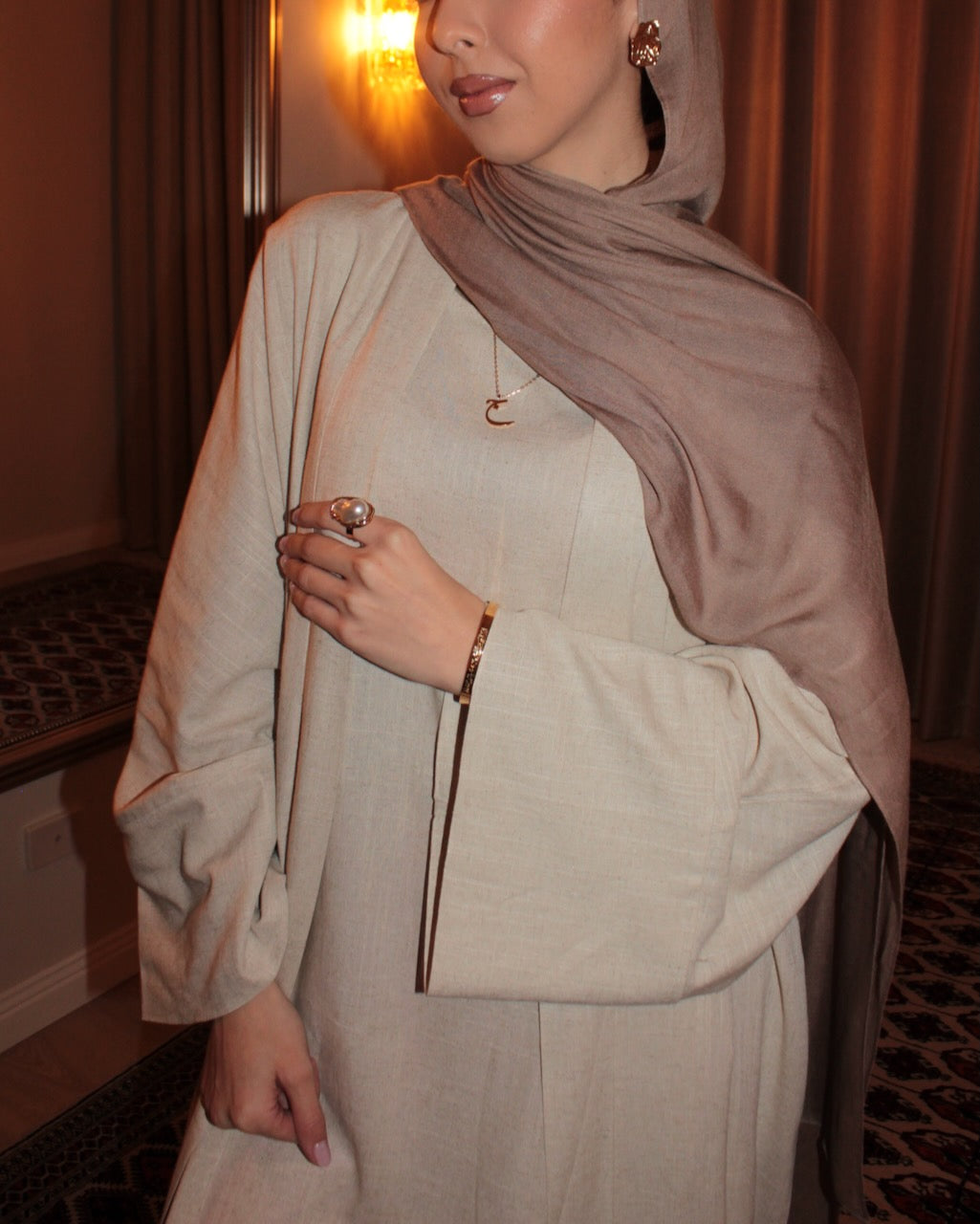
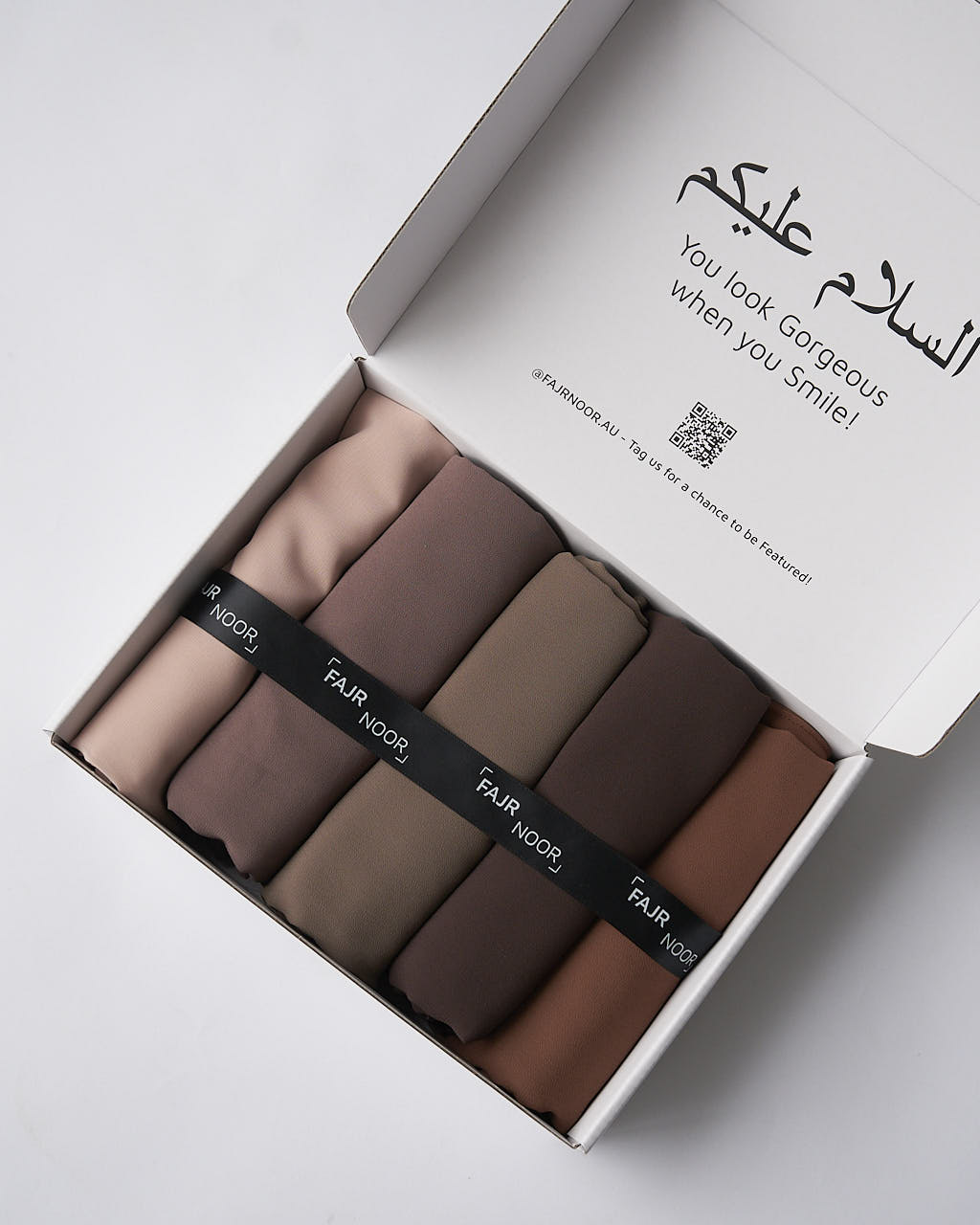
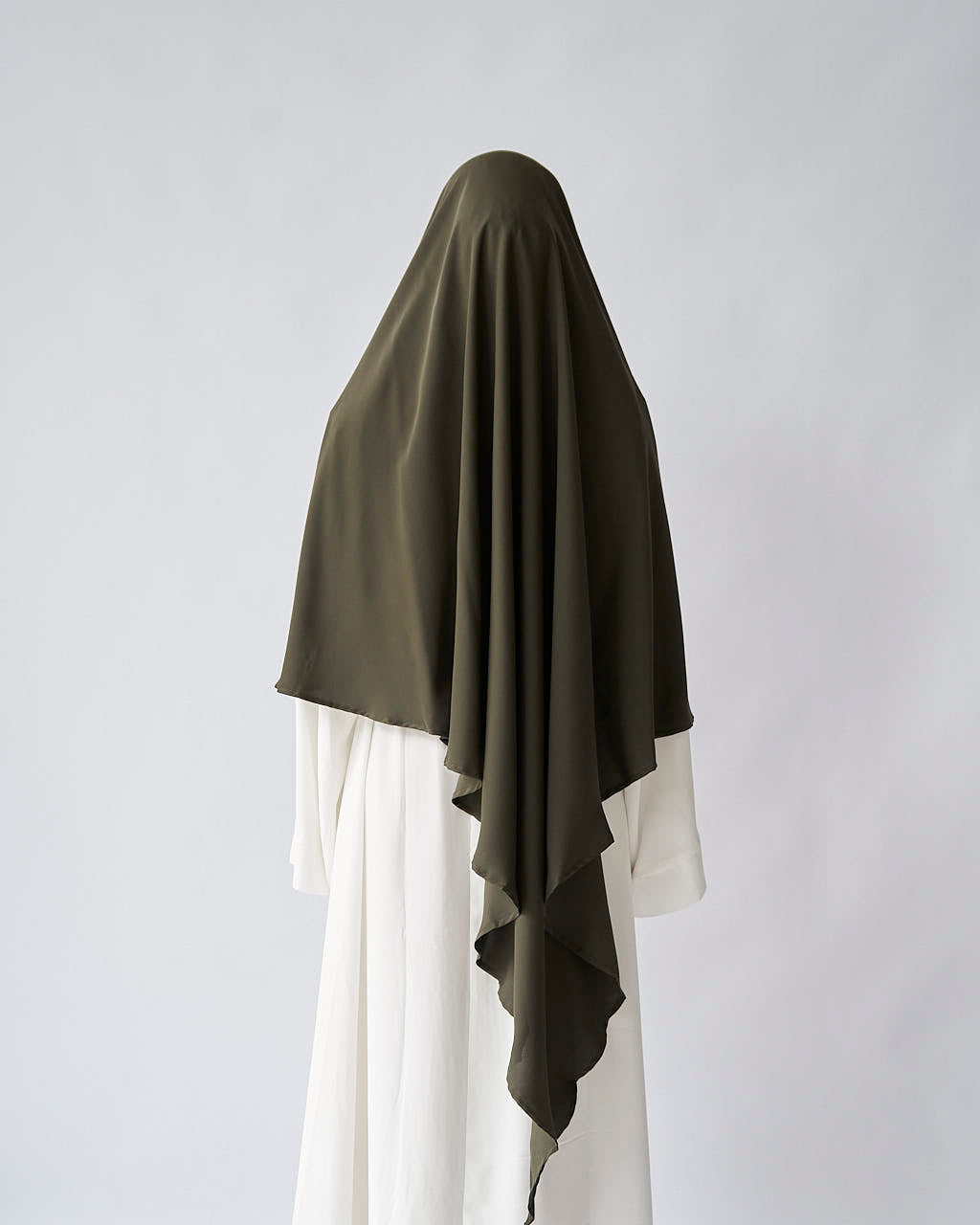
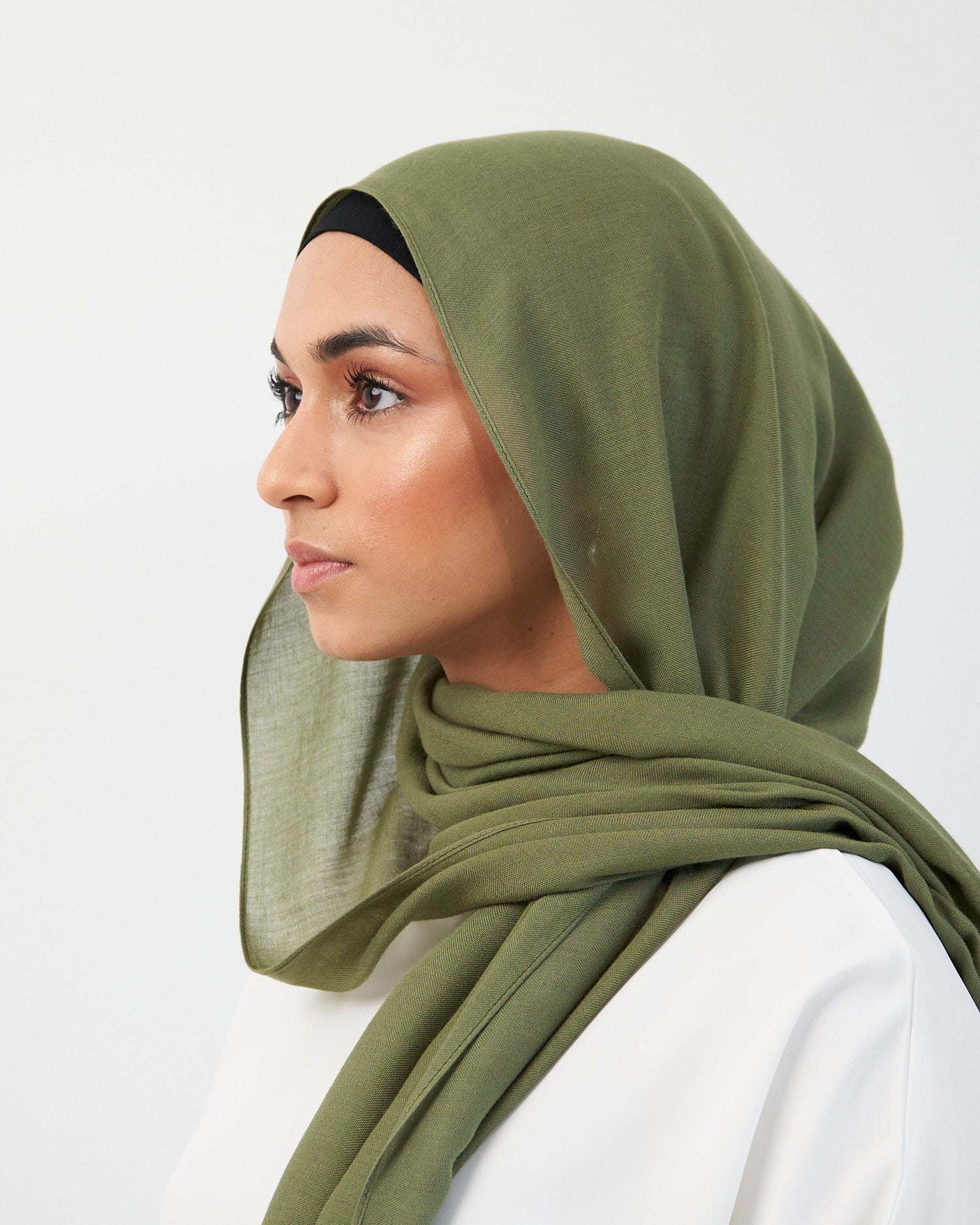
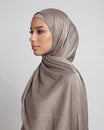
- For women, one easy hijab and an undercap for prayer and the masjid. Jersey is the simplest because it stays put without pins. Our hijab collection is organised by fabric.
That is enough. Add the rest slowly. Islam was revealed over twenty-three years, and there is no expectation that you absorb it faster than it was given.
Frequently Asked Questions
What do I need to say to become Muslim?
The shahada: that there is no god but Allah, and that Muhammad is His messenger. Said with sincere belief and understanding, it makes you Muslim. Most say it in Arabic, though the meaning is what is required rather than the language.
Do I need to go to a mosque to convert?
No. The declaration is valid said alone. Some people choose a masjid because a written record helps later with Islamic marriage registration or Hajj arrangements, and because it gives you a community from the first moment.
Do I need to change my name?
No. There is no requirement to change your name. Some people choose to, particularly if their existing name carries a meaning they are uncomfortable with, but it is a personal choice rather than an obligation.
What is the first thing I should learn?
Wudu and salah, then Al-Fatihah. Those three carry most of your daily practice. Everything else can be added once prayer has become a habit.
Do I have to start wearing hijab immediately?
Many women build toward it, beginning with prayer and the masjid and extending from there. Starting where you are and moving at your own pace is a common and legitimate path.
What happens to my past sins?
A well-known teaching holds that accepting Islam erases what came before it. You do not begin your practice carrying a debt, which many reverts describe as the most significant part of the experience.

Leave a comment
All comments are moderated before being published.
This site is protected by hCaptcha and the hCaptcha Privacy Policy and Terms of Service apply.