

The Short Version
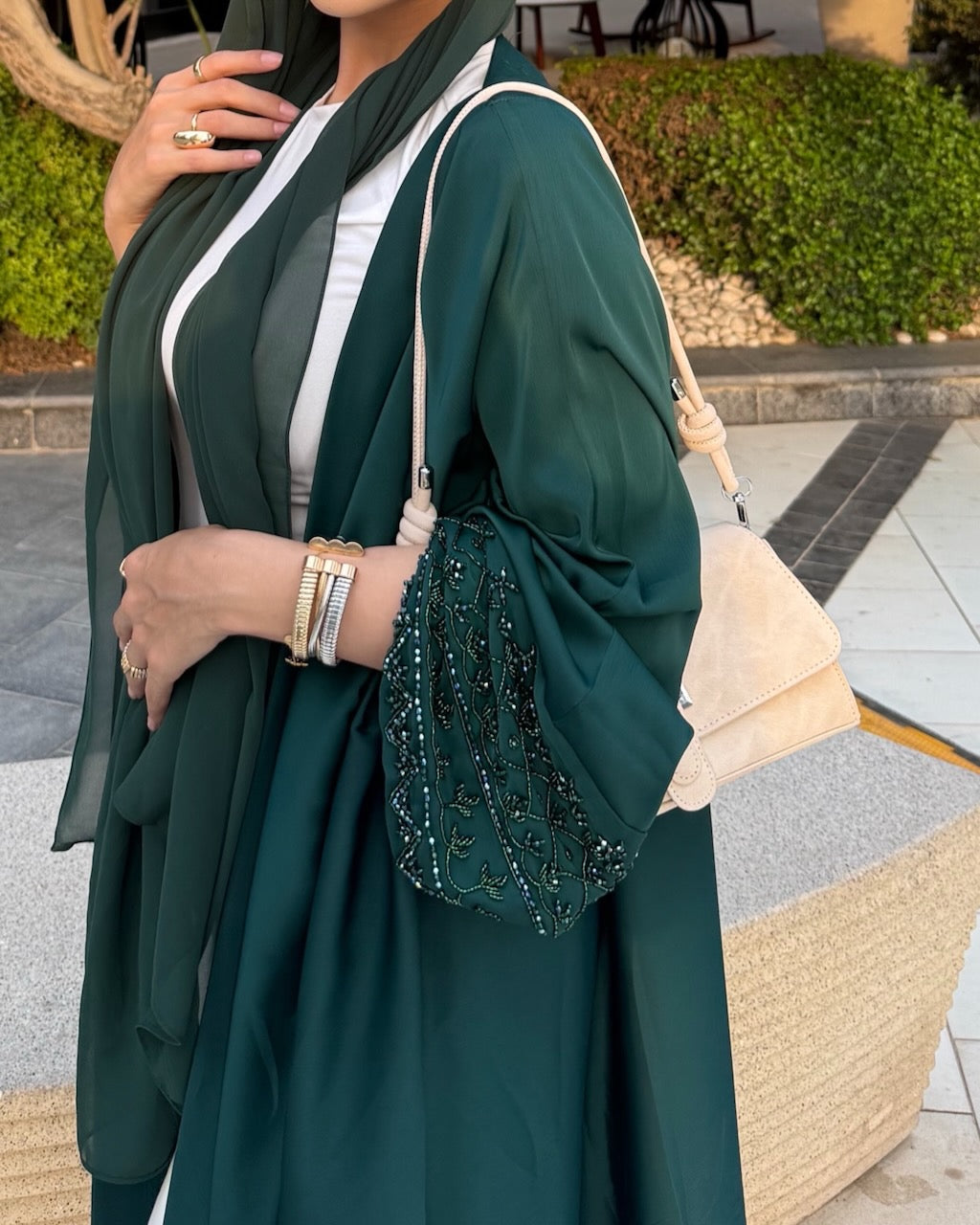
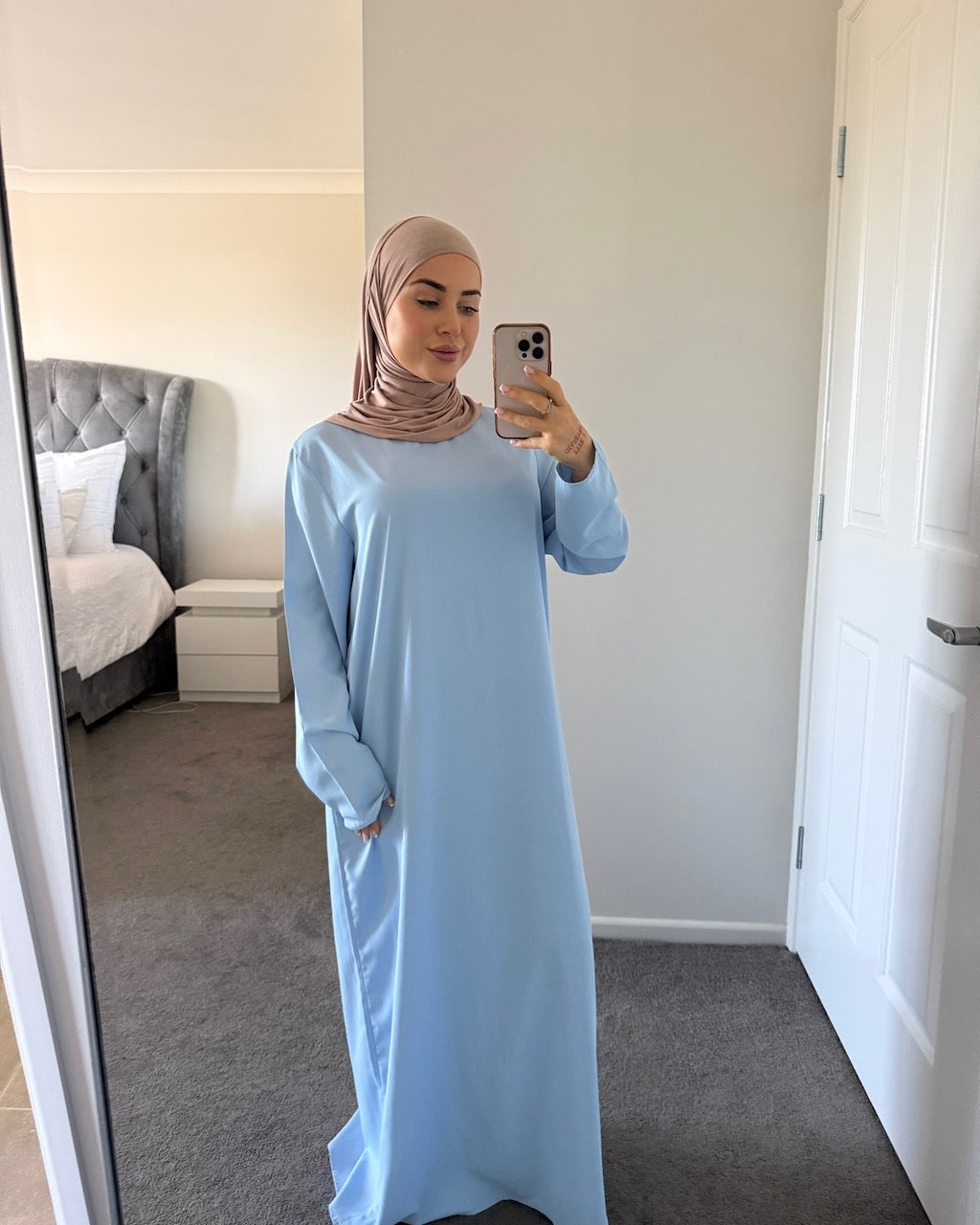
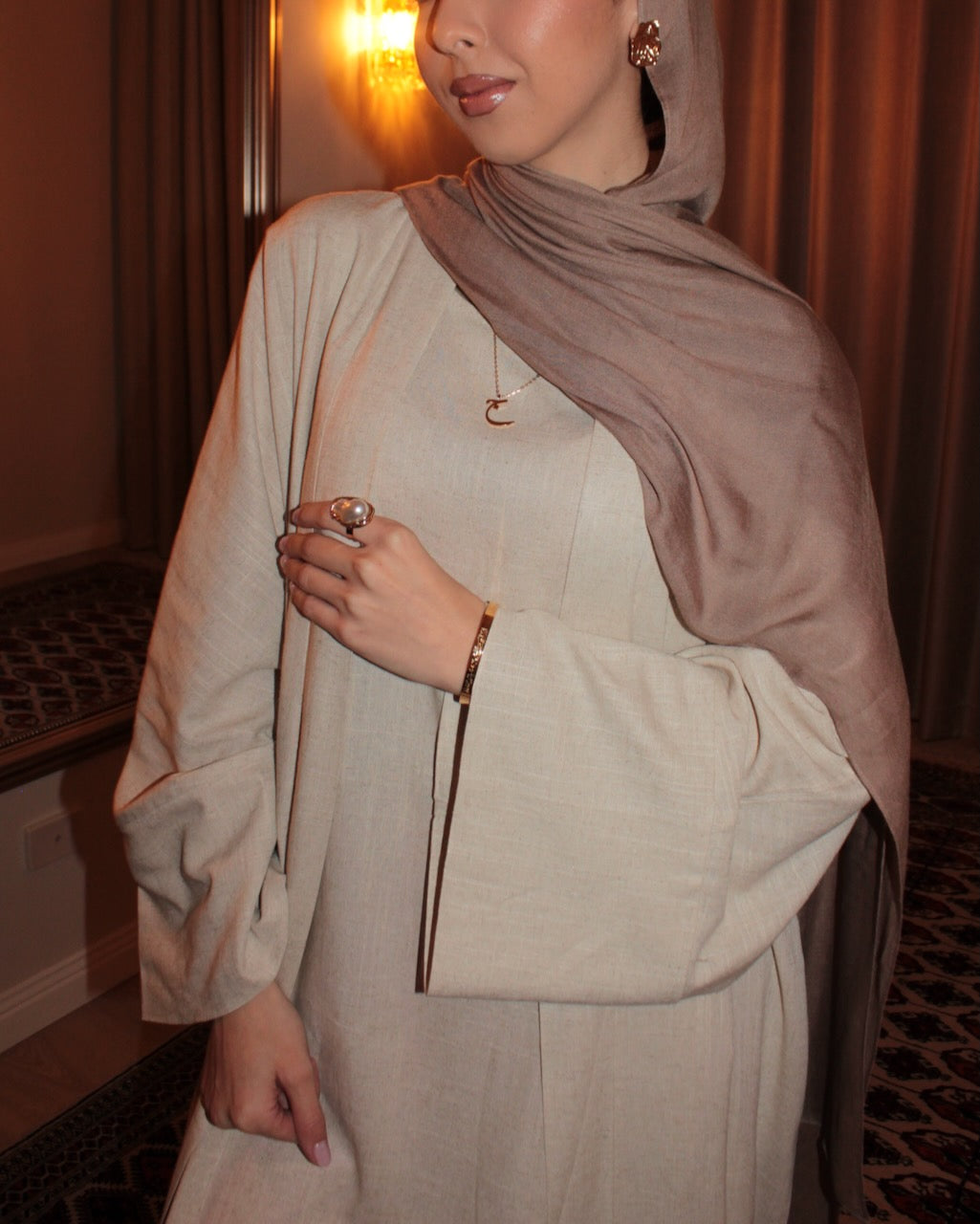
Loose clothing that covers your arms and legs, and a scarf over your hair. That is the requirement. Everything else in this article is detail that makes the first visit easier.
If you are worried about getting it wrong, it is worth knowing that mosques receive visitors constantly, that most have spare scarves at the door, and that nobody is examining your outfit. The anxiety is almost always larger than the reality.
What Covered Actually Means
Three things, and they are less demanding than people assume.
Arms covered to the wrist. A long-sleeved top is fine. You do not need a special garment.
Legs covered to the ankle. Loose trousers, a long skirt or a maxi dress all work. Leggings on their own are the most common mistake, because they are close-fitting. Worn under a long tunic they are fine.
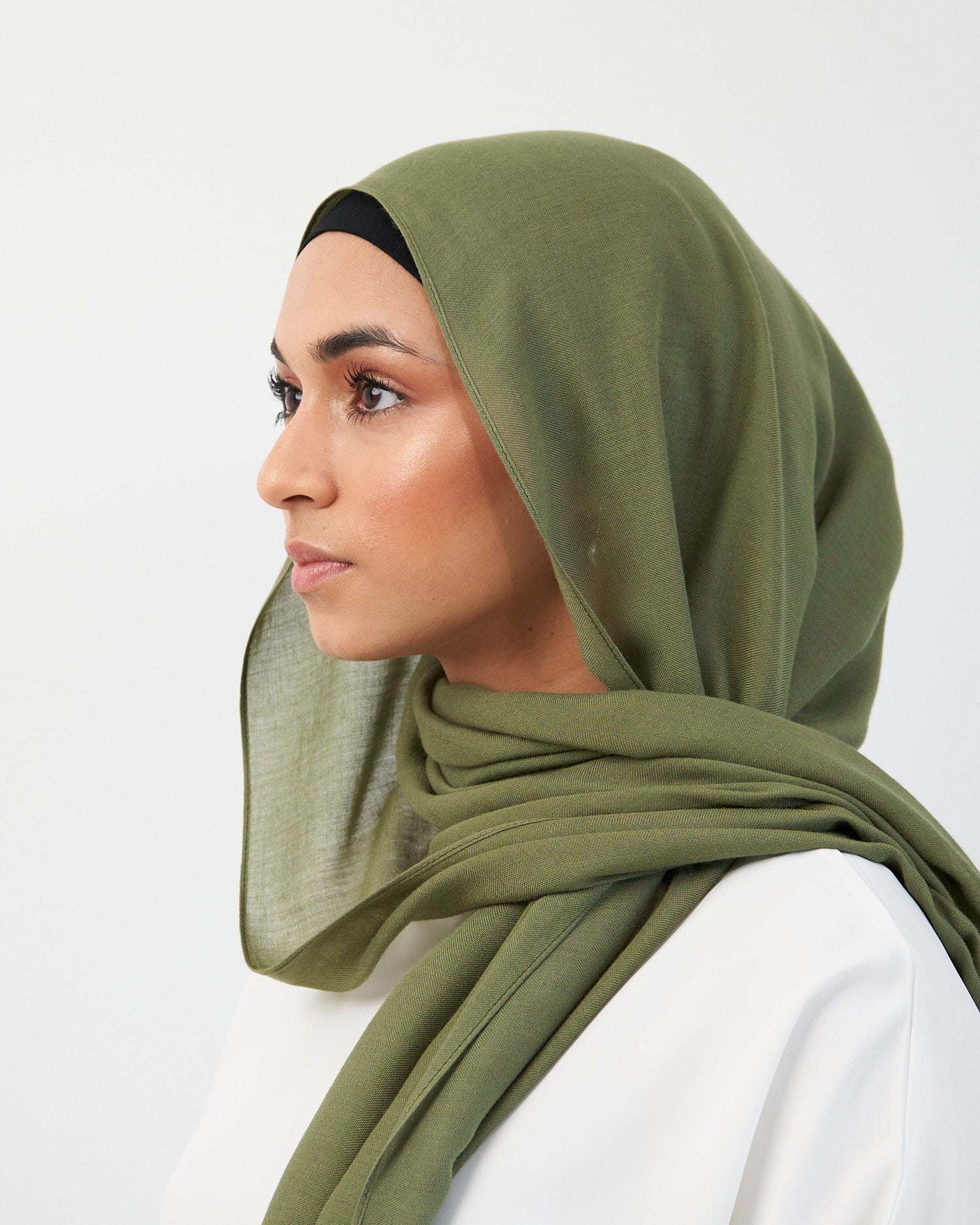
Hair covered. Any scarf. A pashmina from your own wardrobe works perfectly well for a visit.
The underlying principle is loose rather than merely covered. A long-sleeved top that clings is less appropriate than a short-sleeved one worn under a loose layer, even though the second shows more skin on paper.
What Happens at the Door
Knowing the sequence removes most of the nervousness.
You will take your shoes off, either at the entrance or just inside, and there will be racks or shelves for them. Wear socks or hosiery you are comfortable being seen in, and shoes you can remove without sitting down.
There are usually separate entrances and separate prayer areas for men and women. If the signage is unclear, ask. Nobody minds being asked, and everybody minds less than you think.
If you have arrived without a scarf, most mosques keep spare ones at the door for visitors. Asking for one is completely normal.
If You Are Not Muslim
You are welcome, and there is no expectation that you dress as a Muslim woman would.
Cover your arms and legs, bring a scarf for your hair, wear something loose, and choose shoes you can slip off. You will not be asked to pray, and standing or sitting quietly at the back while others do is entirely normal and not considered rude.
If it is a prayer time, stay toward the back so you are not standing in the rows. If it is outside prayer times, the space is usually quiet and you can look around.
If You Are a New Muslim
This is where the anxiety is usually highest, and it is worth naming directly. A great many reverts delay their first masjid visit because they are afraid of doing something visibly wrong in front of people who will know.
Two things help.
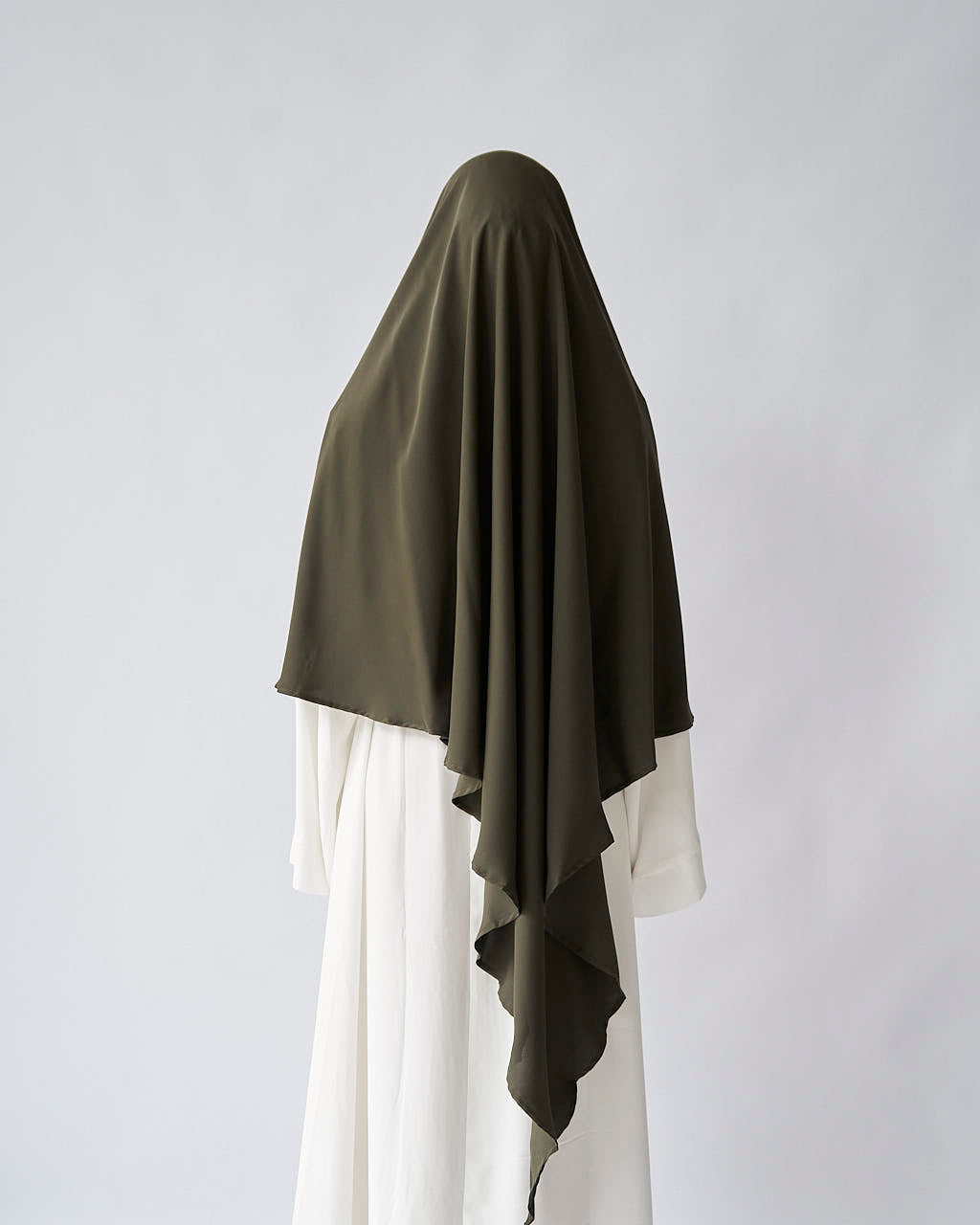
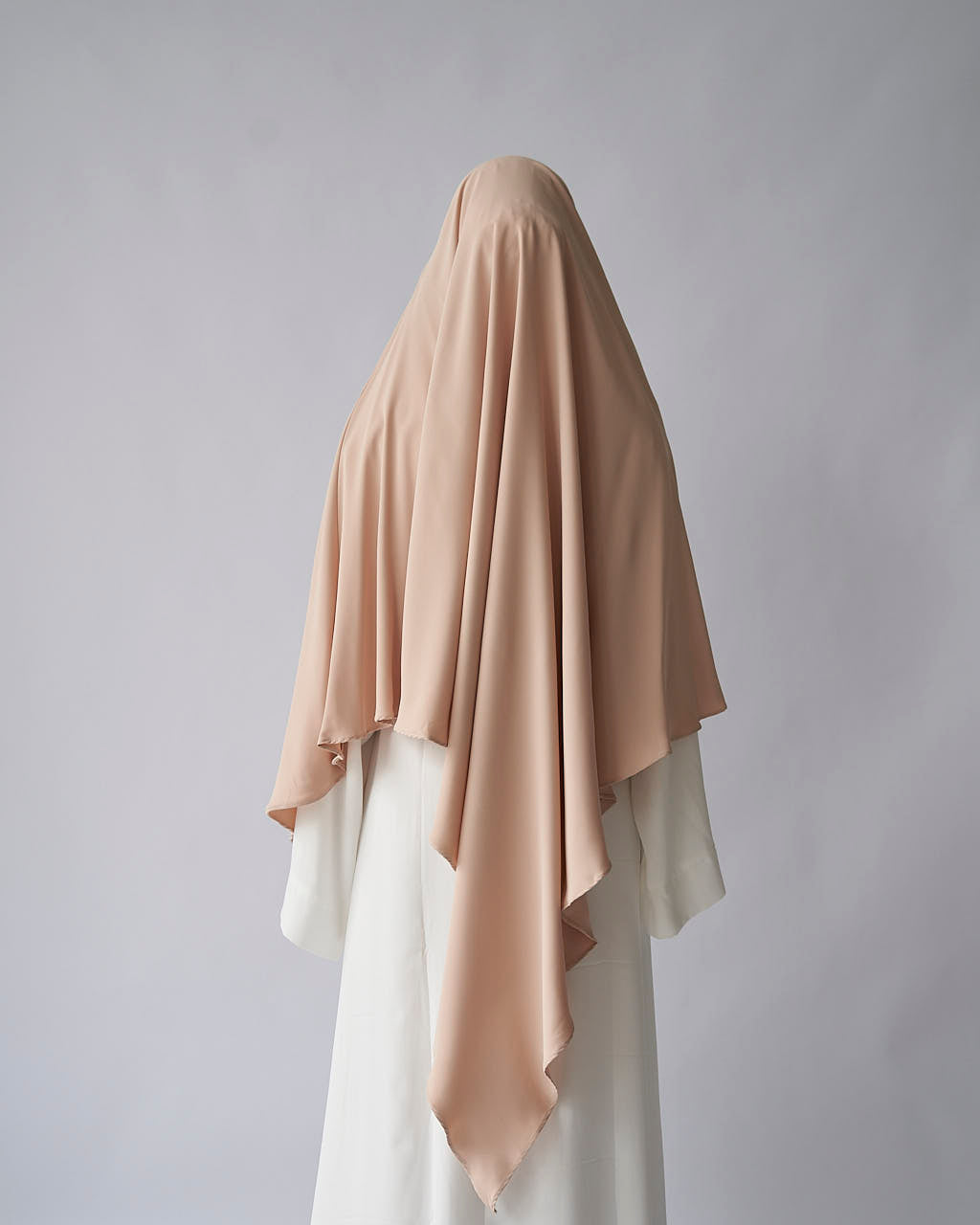
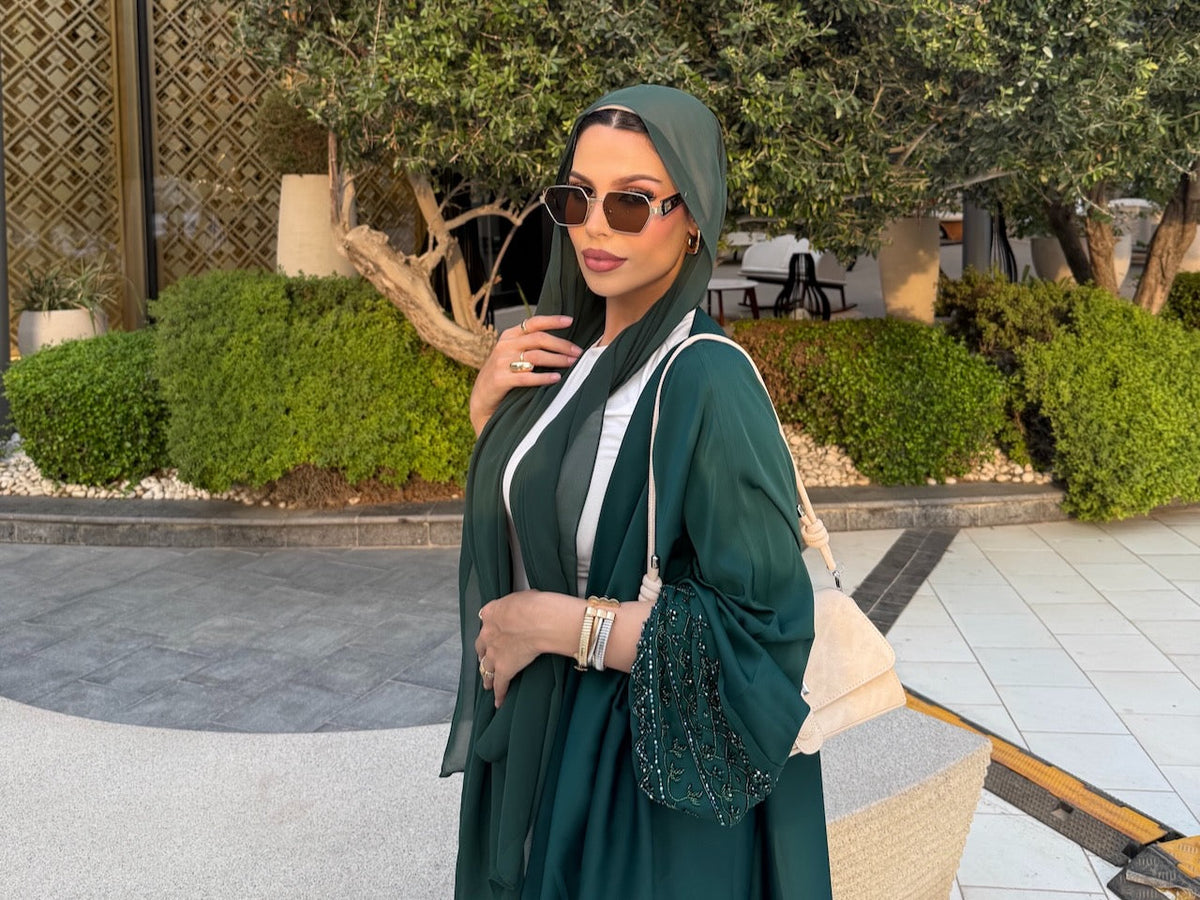
The first is practical. A garment that covers completely in one piece removes every question at once. A khimar pulls over your head and covers your head and chest together with no pinning and nothing to arrange. A prayer jilbab covers the whole body in one or two pieces. Either means you cannot get the coverage wrong, which frees your attention for everything else.
The second is simply that nobody is watching as closely as you imagine. Mosques are full of people at every stage of practice, including many who are learning.
Our khimars and prayer jilbabs are the two items most reverts tell us made the first visits easier.
What to Avoid
- Tight clothing, even when it covers. Loose is the principle.
- Sheer fabric without a layer underneath. Check in daylight rather than indoors.
- Very short sleeves or hemlines, obviously, though a scarf can often bridge a gap at the neckline.
- Strong perfume, which is considerate rather than required, since you will be in close rows with others.
- Complicated shoes. You will take them off more than once.
Practical Things for the Visit
Bring a small bag you can keep with you, since you will not want to leave belongings with your shoes. If you plan to make wudu, know that you will be washing your face, arms and feet, so waterproof makeup and easily rolled sleeves help.
Phones should be silent. Photography varies by mosque, so ask rather than assume, particularly during prayer.
If you are visiting outside prayer times, it is usually quieter and easier for a first visit. Friday midday is the busiest time of the week.
Building a Small Kit
If you expect to visit regularly, three items cover it permanently:
- A khimar or prayer jilbab, so coverage is never a question.
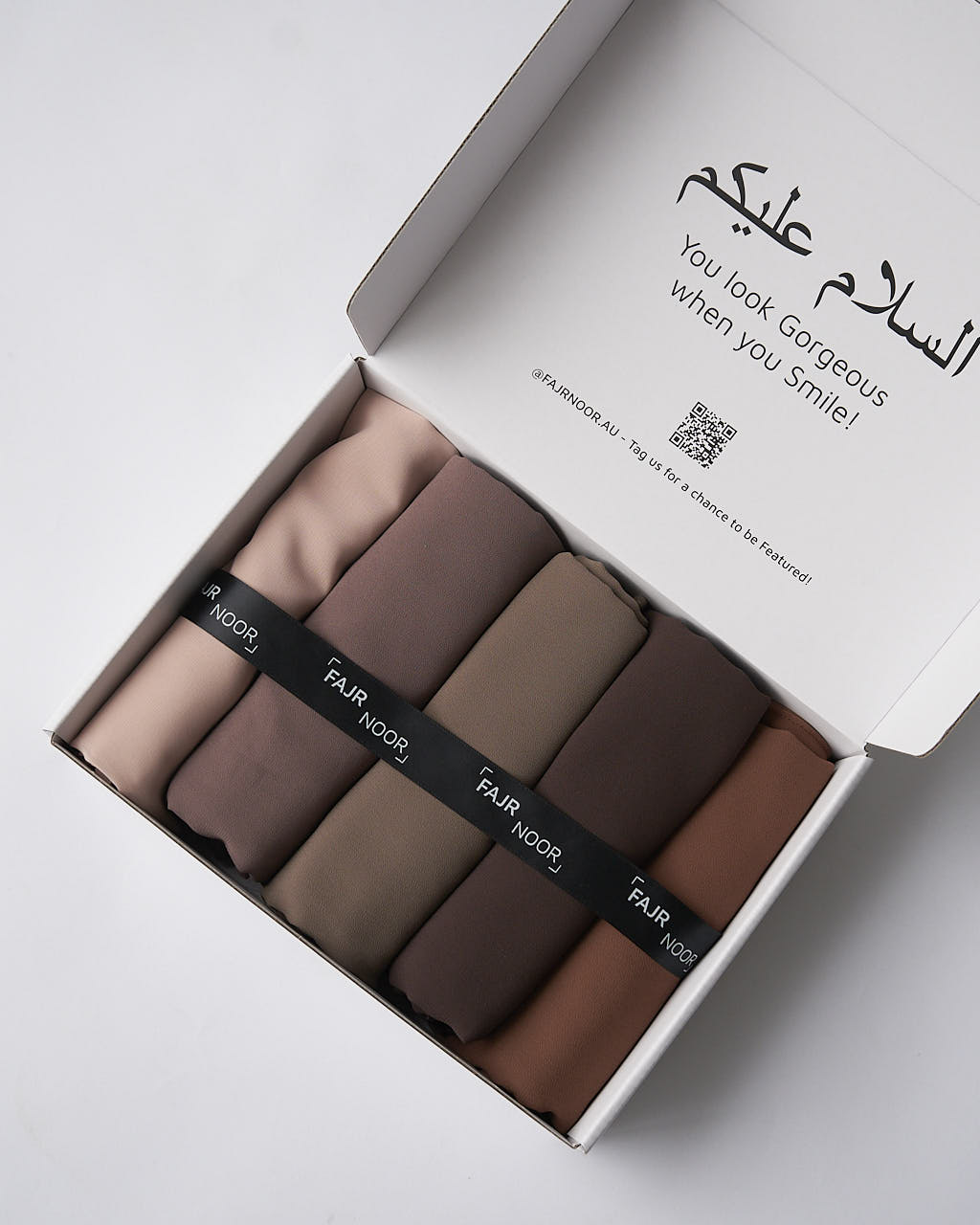
- A jersey hijab, because it stays put without pins.
- Slip-on flat shoes you can remove in one movement.
Keep them together. Many women keep a bag in the car with exactly these three things, which removes the preparation entirely. Our hijab collection is organised by fabric if you want to start with jersey.
Frequently Asked Questions
Do I have to cover my hair to visit a mosque?
Yes, inside the prayer areas, and this applies to non-Muslim visitors too. Any scarf works, and most mosques keep spare scarves at the door for people who arrive without one.
Can I wear jeans to a mosque?
Loose jeans with a long top that covers the hips are generally fine. Tight or skinny jeans are not ideal, since the principle is loose rather than simply covered.
What should I wear if I am not Muslim?
Cover arms and legs, bring a scarf for your hair, choose something loose, and wear shoes you can slip off. You will not be asked to pray, and observing quietly from the back is completely normal.
Do I have to take my shoes off?
Yes, at the entrance or just inside. Wear socks or hosiery you are comfortable being seen in, and avoid anything with laces or buckles.
What is the easiest thing to wear as a new Muslim?
A khimar or prayer jilbab. Both cover in one piece with no pinning, so coverage cannot be wrong, which lets you concentrate on everything else.
When is the best time to visit for the first time?
Outside prayer times, when it is quieter and there is space to ask questions. Friday midday is the busiest period of the week and the hardest first visit.

Leave a comment
All comments are moderated before being published.
This site is protected by hCaptcha and the hCaptcha Privacy Policy and Terms of Service apply.