

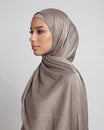
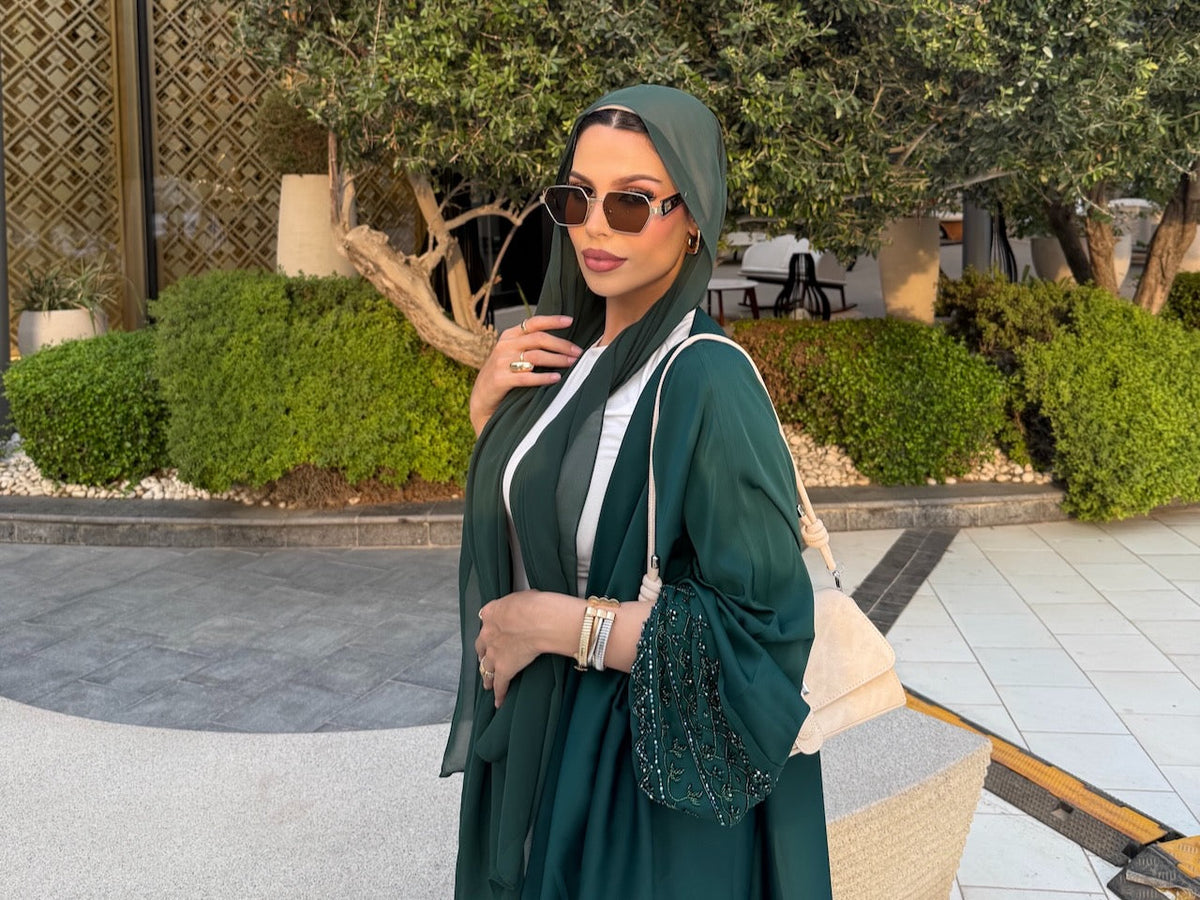
The Stereotype Says Black. The Receipts Say Otherwise
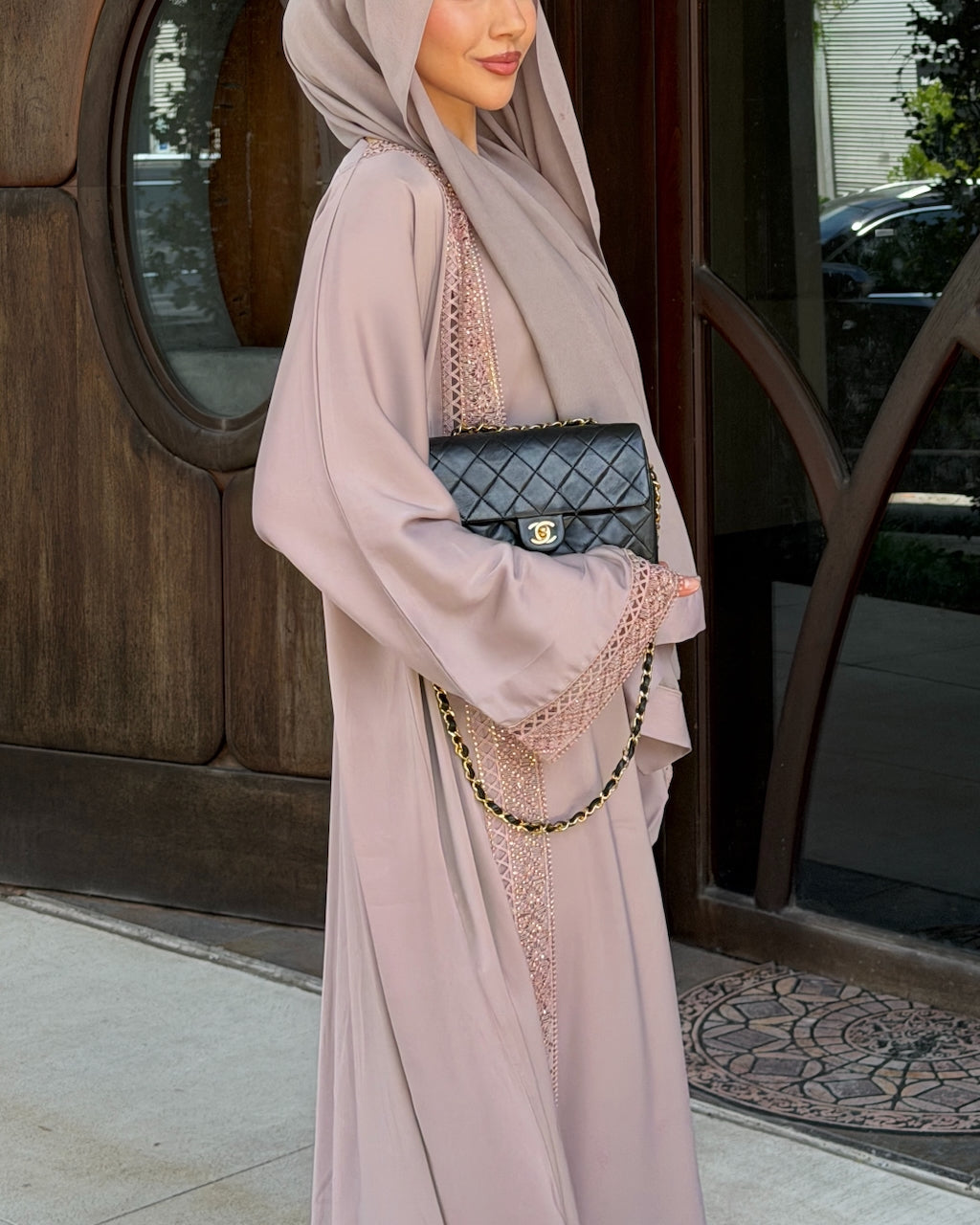
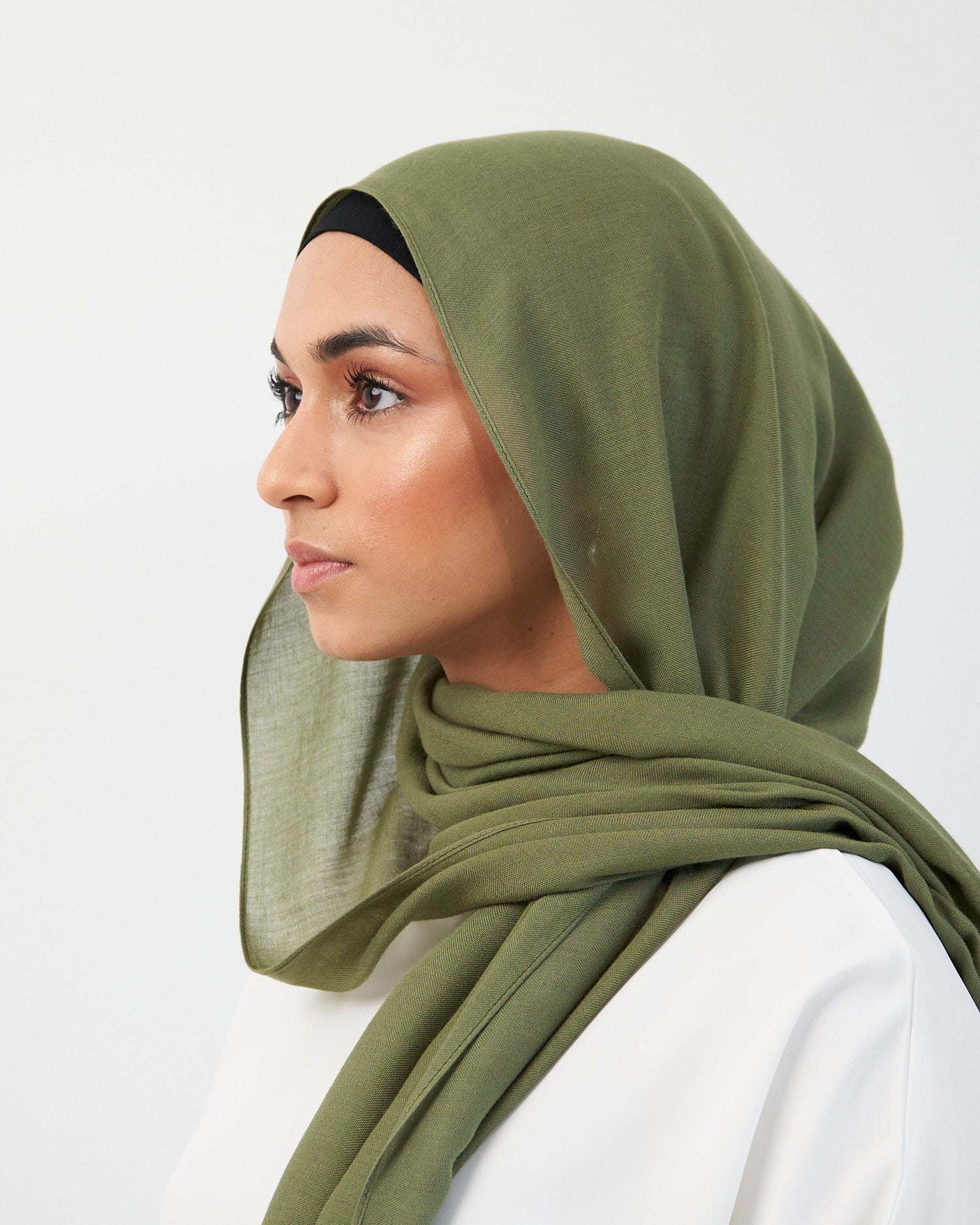
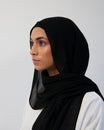
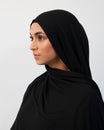
If you asked most people to picture an abaya, they would picture a black one. It is the image that appears in stock photography, in news coverage and in the minds of people who have never bought one.
We looked at what our customers actually ordered. Across 4,334 abaya and long-garment orders in the twelve months to September 2026, spanning 39 separate colourways, black accounted for 24.6% of orders.
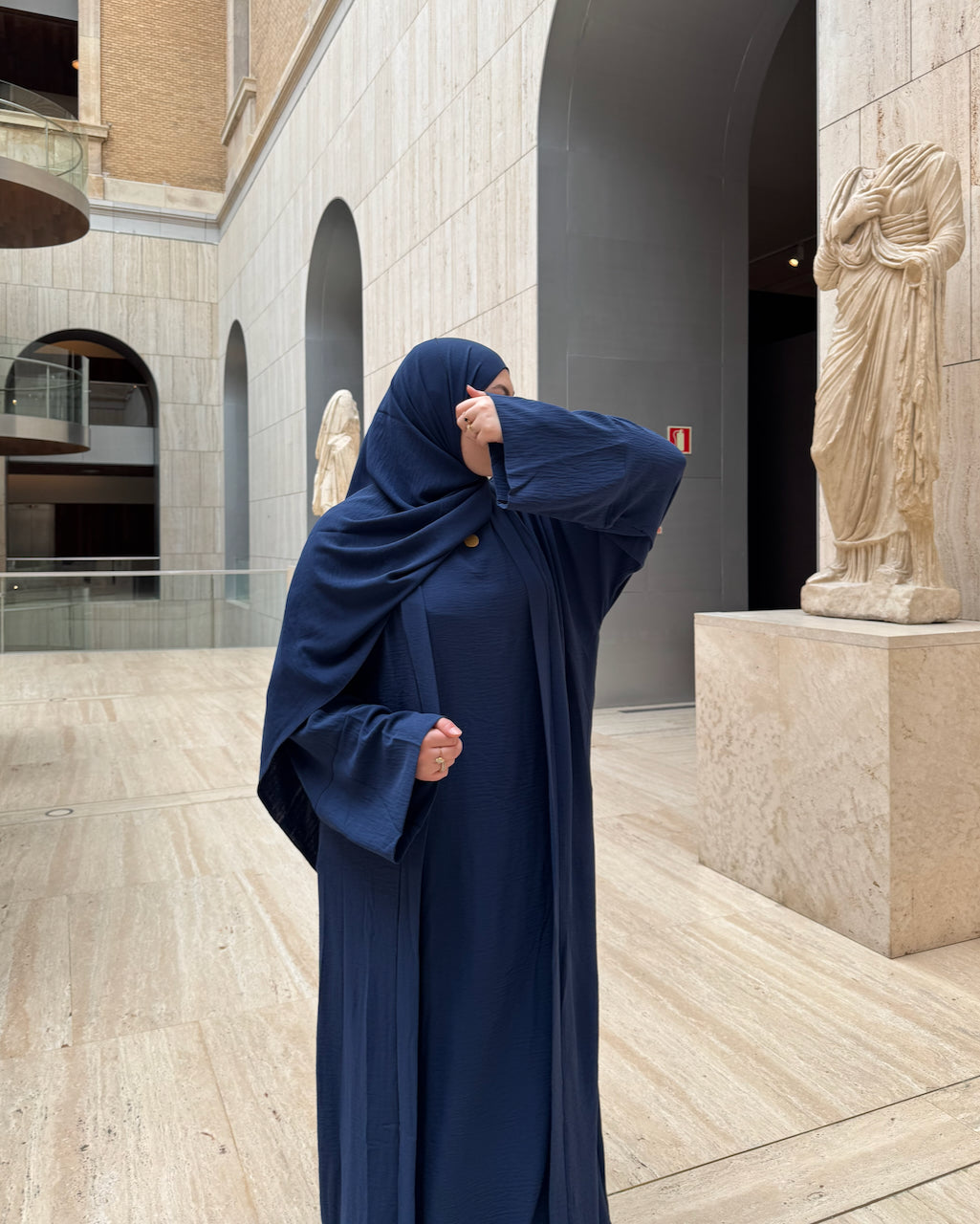
Three out of every four abayas we sold were not black.
The Full Colour Ladder
Here is the complete picture, ranked by share of orders.
| Colour | Orders | Share |
|---|---|---|
| Black | 1,067 | 24.6% |
| Coffee | 613 | 14.1% |
| White | 509 | 11.7% |
| Khaki | 390 | 9.0% |
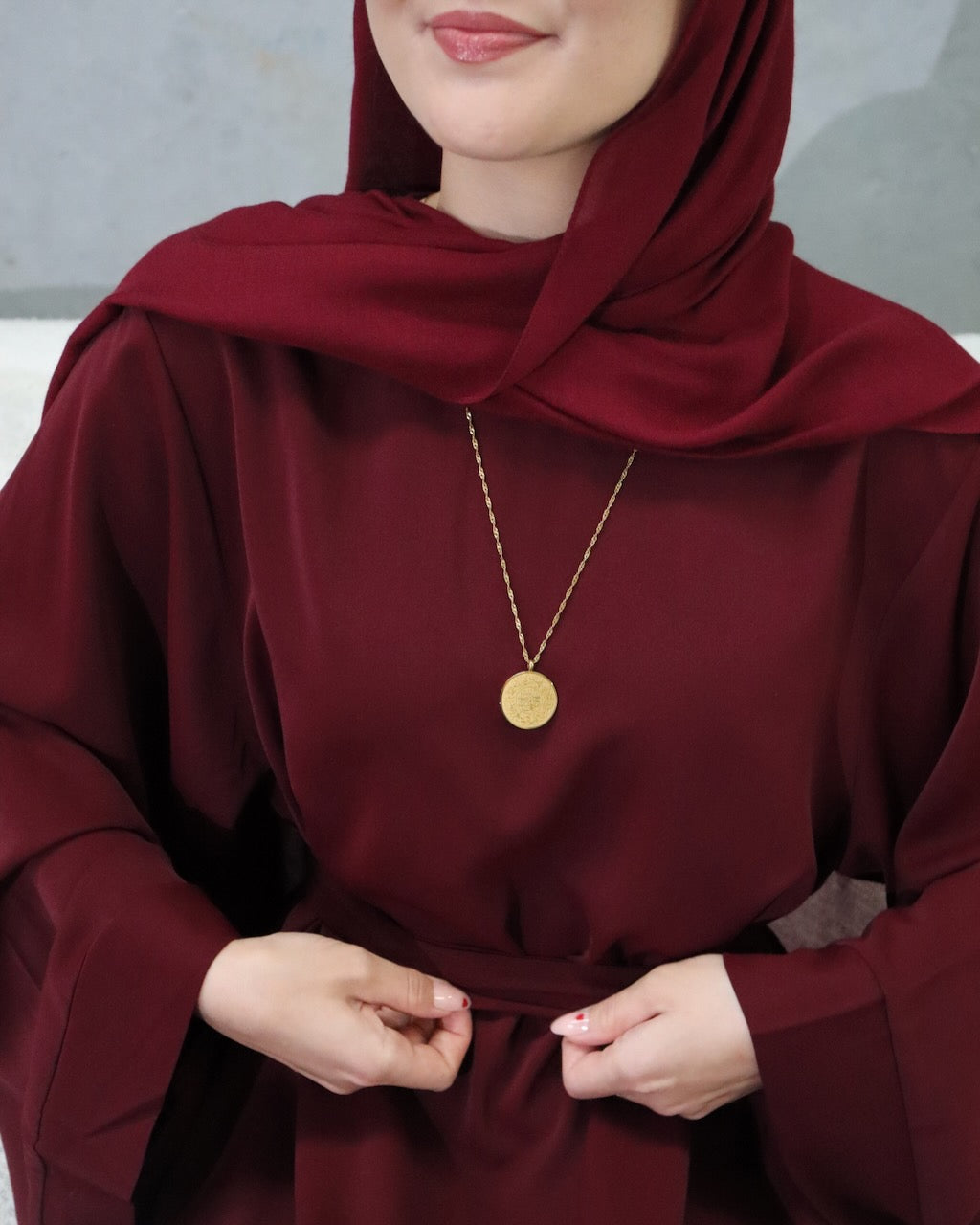
| Maroon | 346 | 8.0% |
| Navy | 298 | 6.9% |
| Charcoal | 197 | 4.5% |
| Grey | 151 | 3.5% |
| Sand | 141 | 3.3% |
| Cream | 130 | 3.0% |
| Rose | 129 | 3.0% |
| Emerald | 102 | 2.4% |
| Moss | 90 | 2.1% |
| Sky Blue | 86 | 2.0% |
Even adding charcoal to black, the darkest end of the range reaches only 29.2%.
The Single-Style Test
A fair objection to the numbers above is that they mix several styles, and some styles are only made in certain colours. So we ran the same analysis on one garment.
The Khatijah is our best-selling abaya and it is offered in nine colourways, all produced in the same cut and the same fabric. Any difference in what sells is purely a colour preference.
| Colourway | Orders | Share |
|---|---|---|
| Black | 296 | 20.7% |
| White | 206 | 14.4% |
| Coffee | 189 | 13.2% |
| Khaki | 167 | 11.7% |
| Maroon | 161 | 11.2% |
| Rose | 129 | 9.0% |
| Emerald | 102 | 7.1% |
| Charcoal | 96 | 6.7% |
| Sky Blue | 86 | 6.0% |
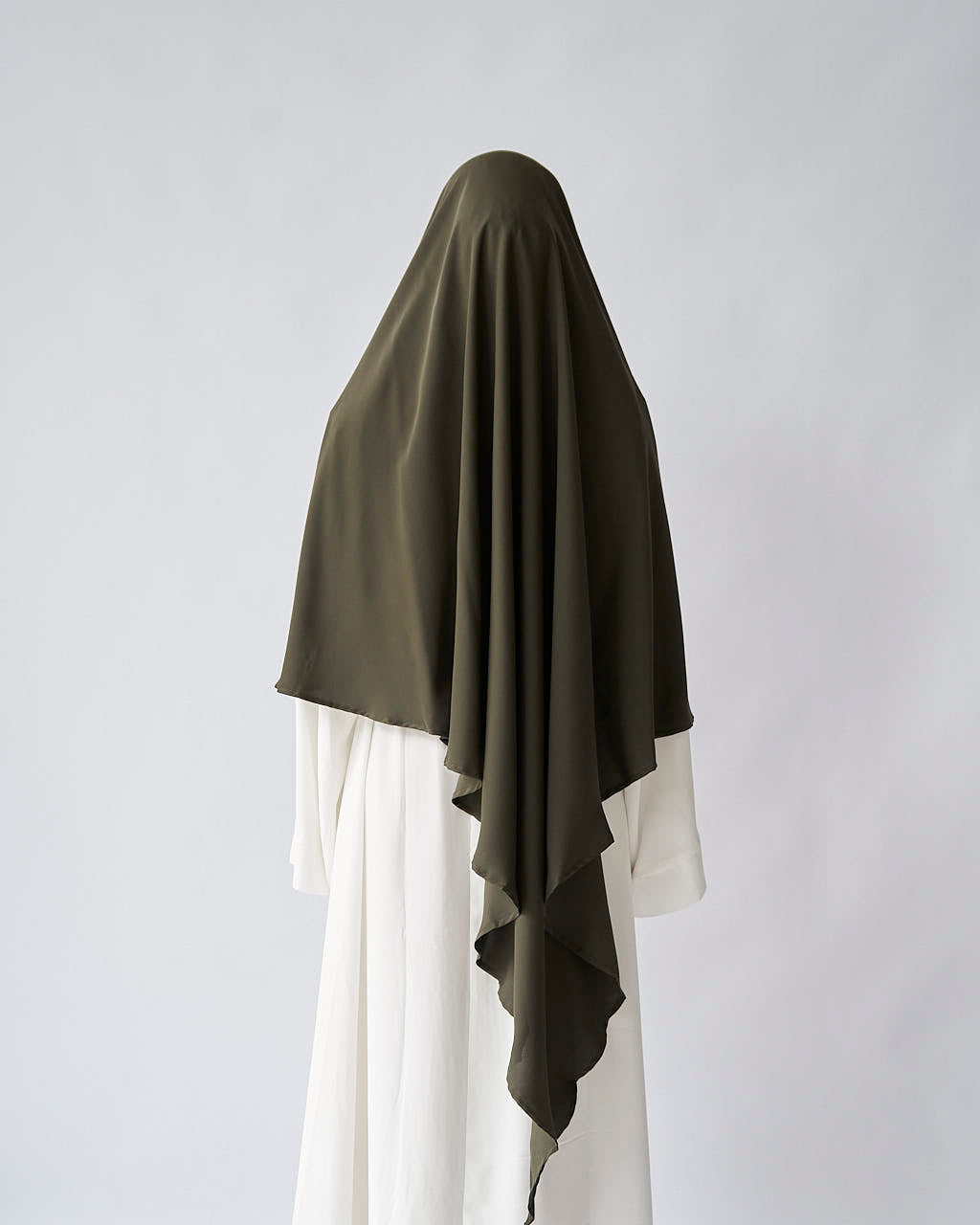
On a like-for-like comparison, black falls further, to 20.7%. Nearly four in five Khatijah abayas sold were a colour other than black.
What This Actually Tells Us
Three things, and it is worth being careful about which conclusions the data supports.
Black is still the single largest colour, by a wide margin. At roughly a quarter of all orders, no other colour comes close. It remains the foundation of a modest wardrobe and nothing here suggests otherwise.
But it is a plurality, not a majority. The gap between the popular image of the abaya and what women actually buy is large. When a customer has nine colours available in the same garment, most of them choose something else.
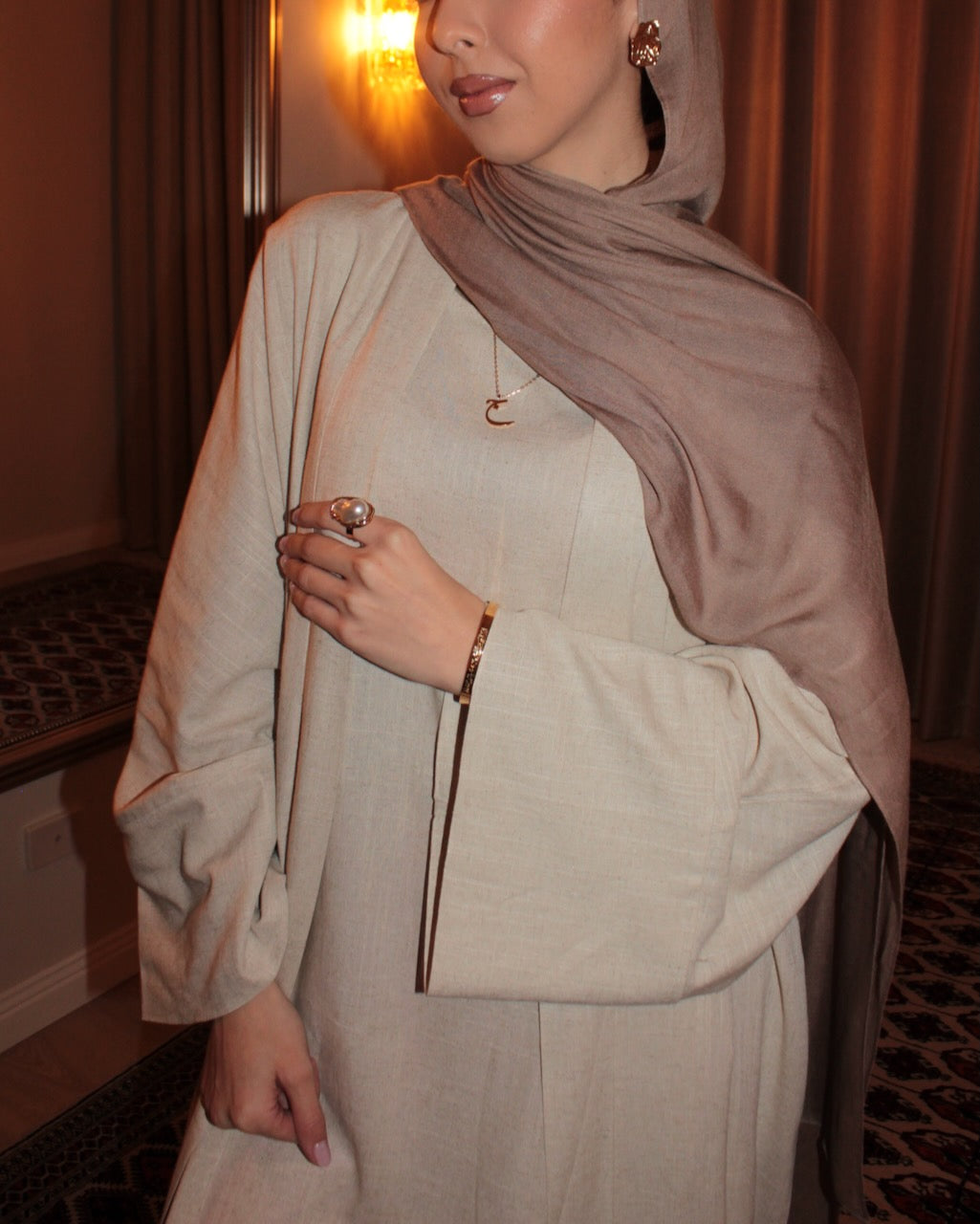
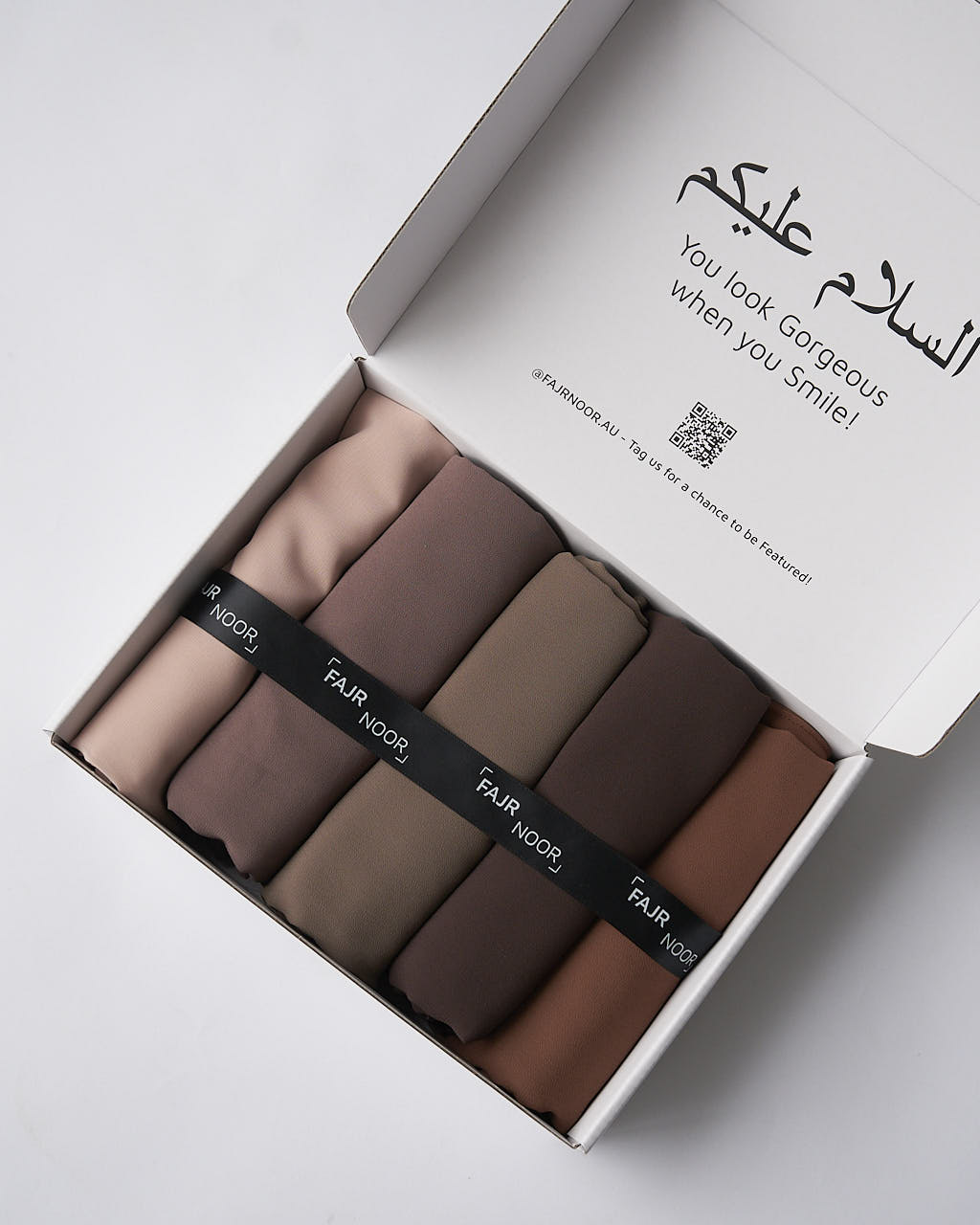
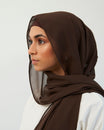
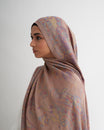
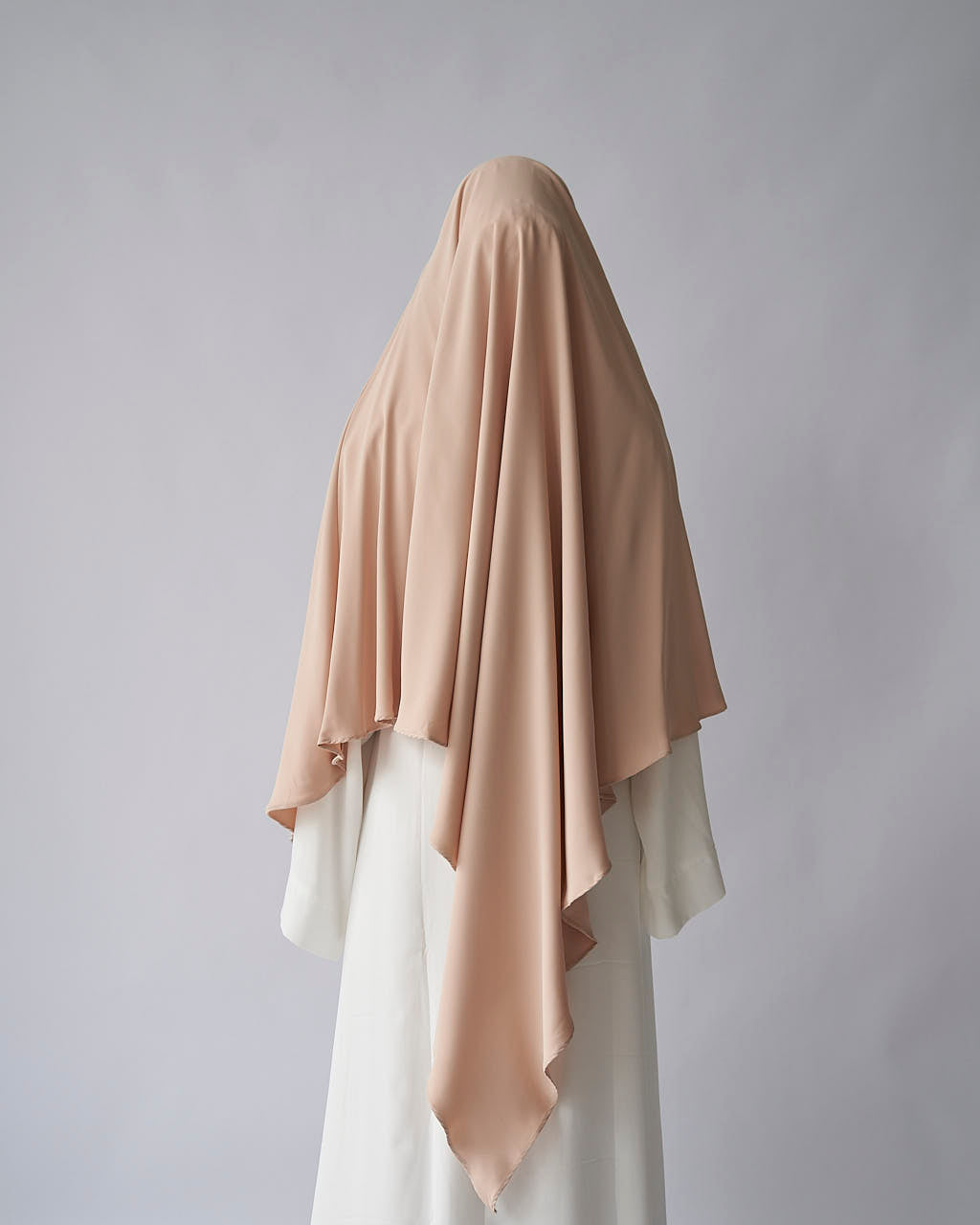
The alternatives are not bright. Coffee, khaki, sand, cream, grey and charcoal together make up more than a third of orders. The move away from black is a move toward warm earth tones rather than toward colour in the ordinary sense. Only emerald, rose and sky blue register as recognisably colourful, and together they are 7.4%.
Why Coffee Beat White
The one result that surprised us most was coffee outselling white, 14.1% to 11.7%, when white has an obvious functional pull. White abayas are chosen for Umrah, where lighter colours are cooler in the heat, and increasingly for nikah ceremonies.
Coffee has no occasion driving it. It sells because women want it. That makes it the clearest signal in the whole dataset of genuine preference rather than requirement.
You can see the range in abayas, or the nine colourways together in Khatijah abayas.
Methodology
Figures are drawn from Shopify order data for fajrnoor.com covering orders placed between 22 September 2025 and 21 September 2026. The analysis covers 4,334 orders across 39 colourways of abayas and long garments, including the Khatijah, Essential, Essential Cuffed, Aya Linen, Sarah Set, Breastfeeding and Jilbab ranges. Share is calculated as a percentage of orders, not units or revenue.
This is one Australian retailer's order data. It is not a survey of Muslim women, and it reflects our customer base, our stock and the colourways we chose to produce. Colours we do not make cannot appear in it. We are publishing it because first-party numbers on modest fashion are rare, and because the result genuinely surprised us.
If you would like to cite these figures, please link back to this page.
Frequently Asked Questions
What percentage of abayas sold are black?
In our data, 24.6% of 4,334 abaya orders were black, rising to 29.2% if charcoal is included. On a single style offered in nine colours, black fell to 20.7%.
What is the most popular abaya colour after black?
Coffee, at 14.1% of orders, followed by white at 11.7% and khaki at 9.0%.
Are abayas only black?
No. In our order data three out of four abayas sold were a colour other than black. Black remains the single largest colour but it is a plurality rather than a majority.
Are Muslim women wearing brighter colours now?
Not bright, exactly. The shift away from black is mostly toward warm earth tones such as coffee, khaki, sand and cream. Recognisably bright colours accounted for about 7% of orders.
Does this data represent all Muslim women?
No. It is the order data of one Australian retailer that ships worldwide. It reflects our customers and the colourways we produce, and should be read as a single retailer's evidence rather than a global survey.
Can I cite these figures?
Yes. Please attribute them to Fajr Noor and link to this page so readers can see the methodology.

Leave a comment
All comments are moderated before being published.
This site is protected by hCaptcha and the hCaptcha Privacy Policy and Terms of Service apply.