

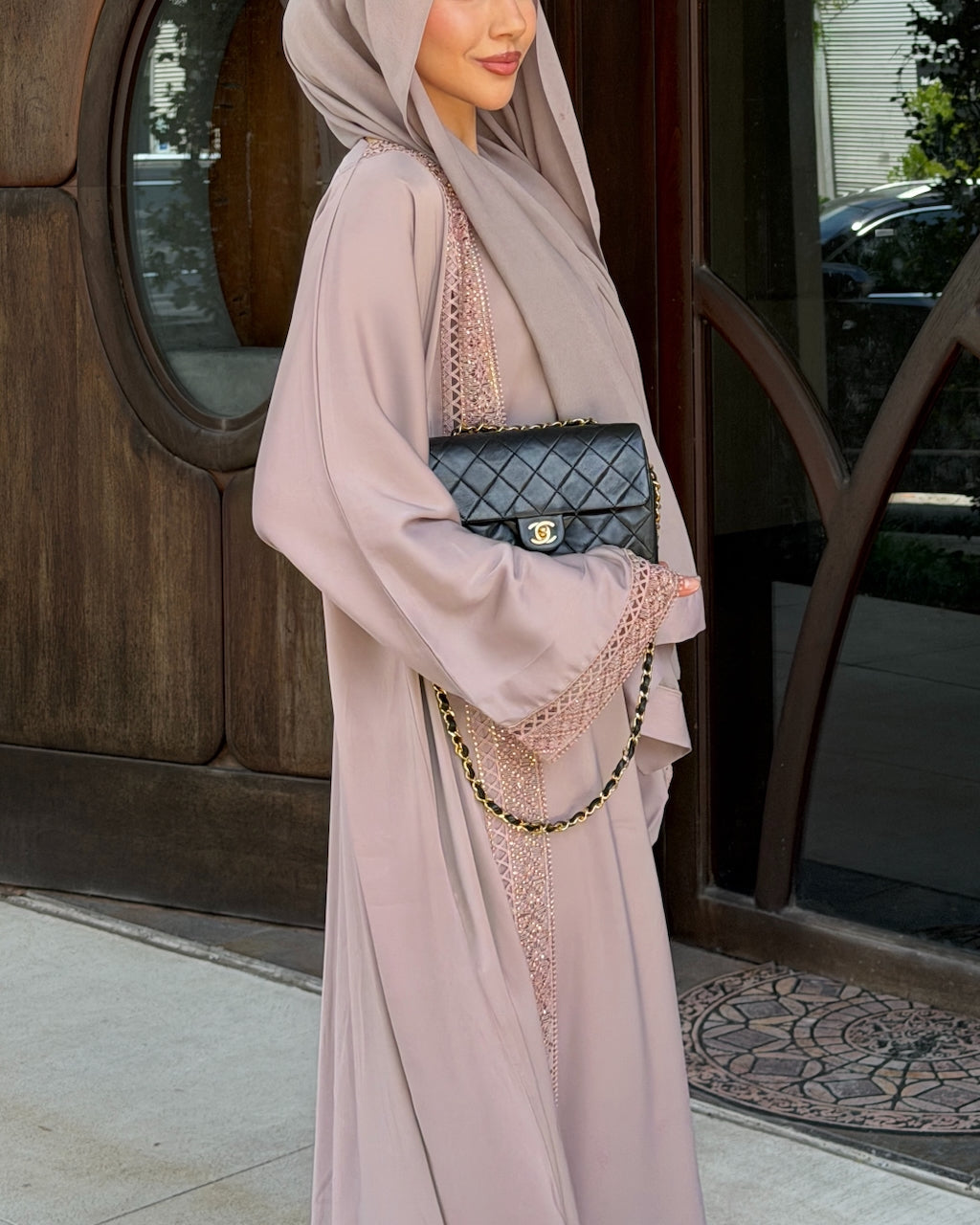
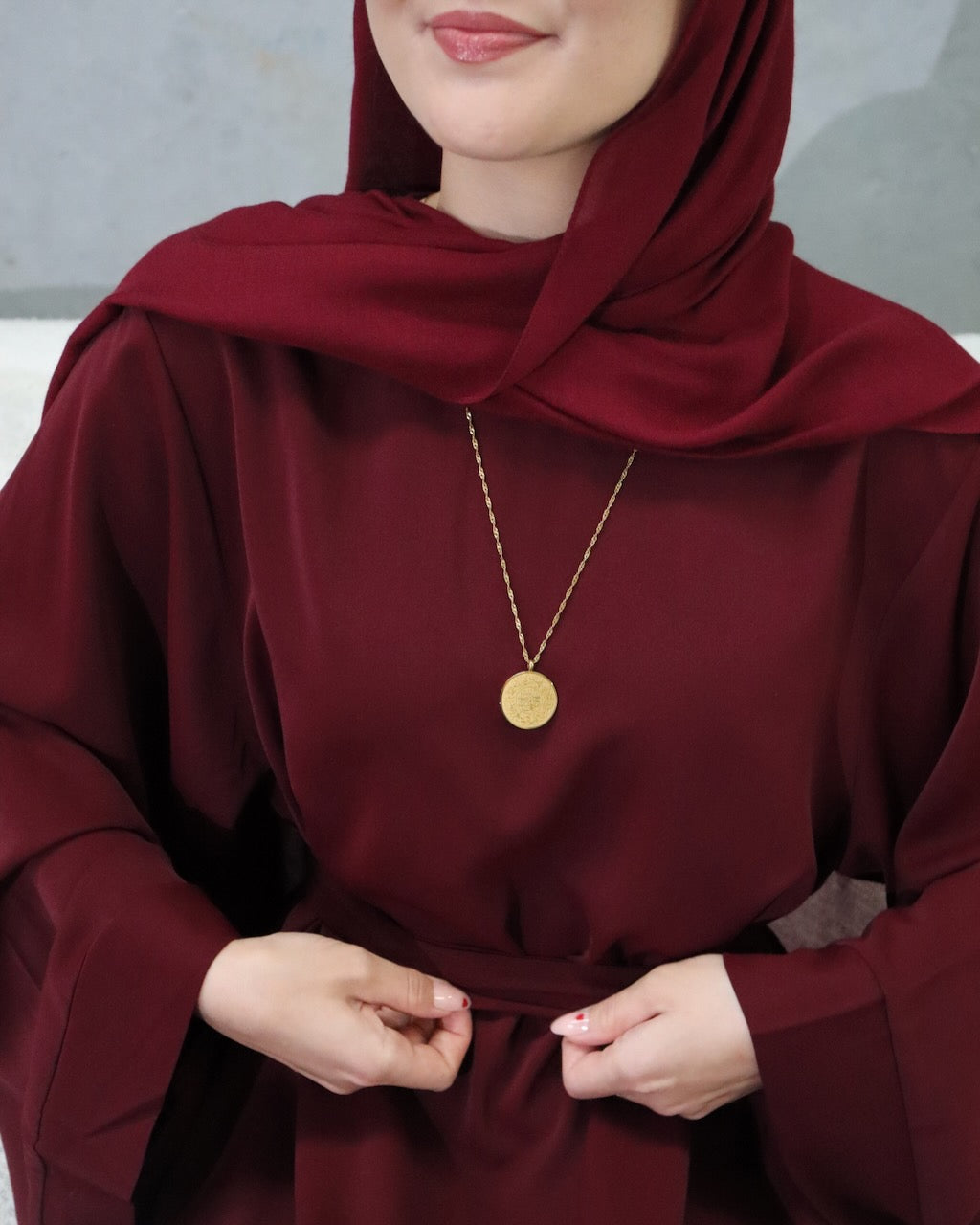
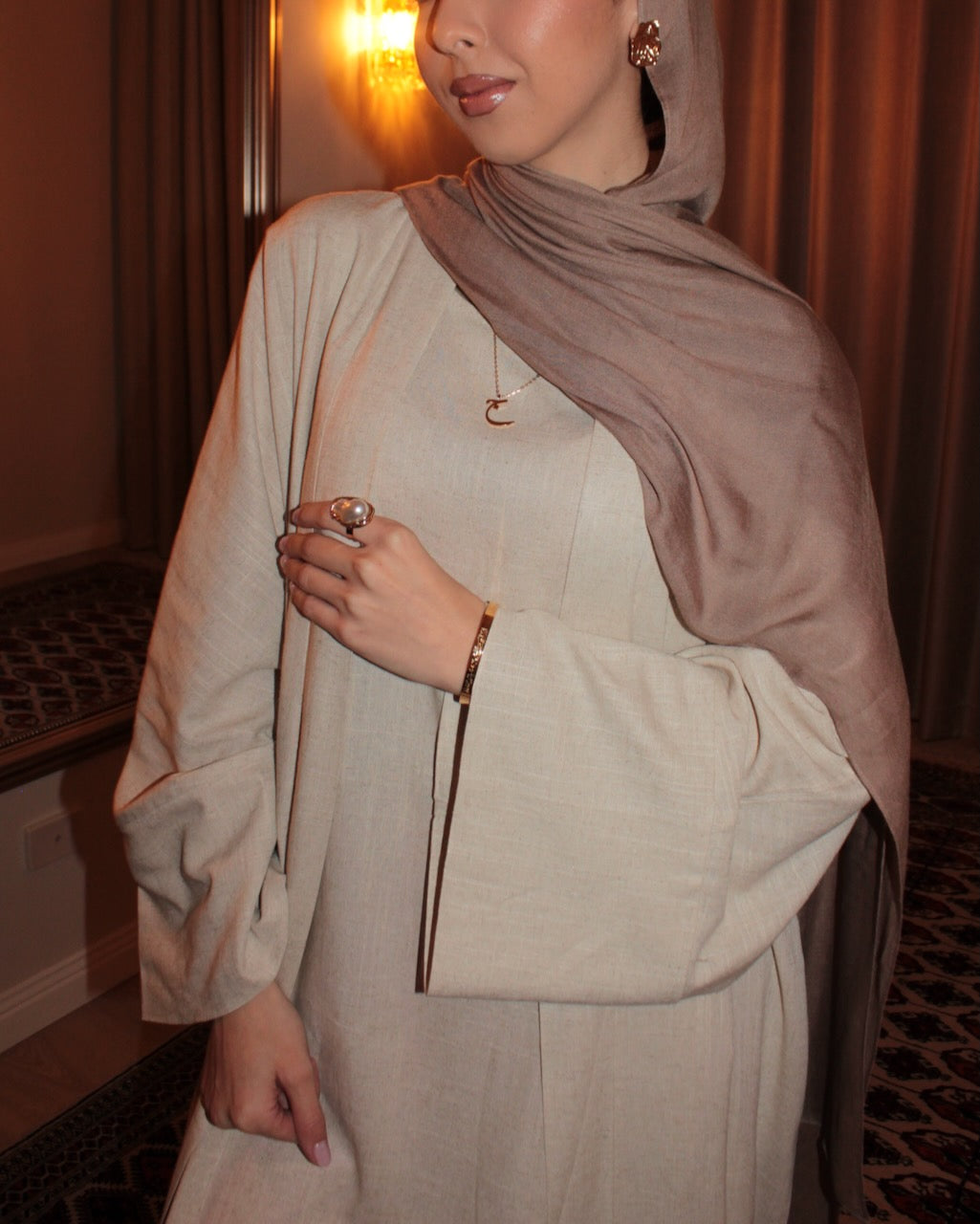
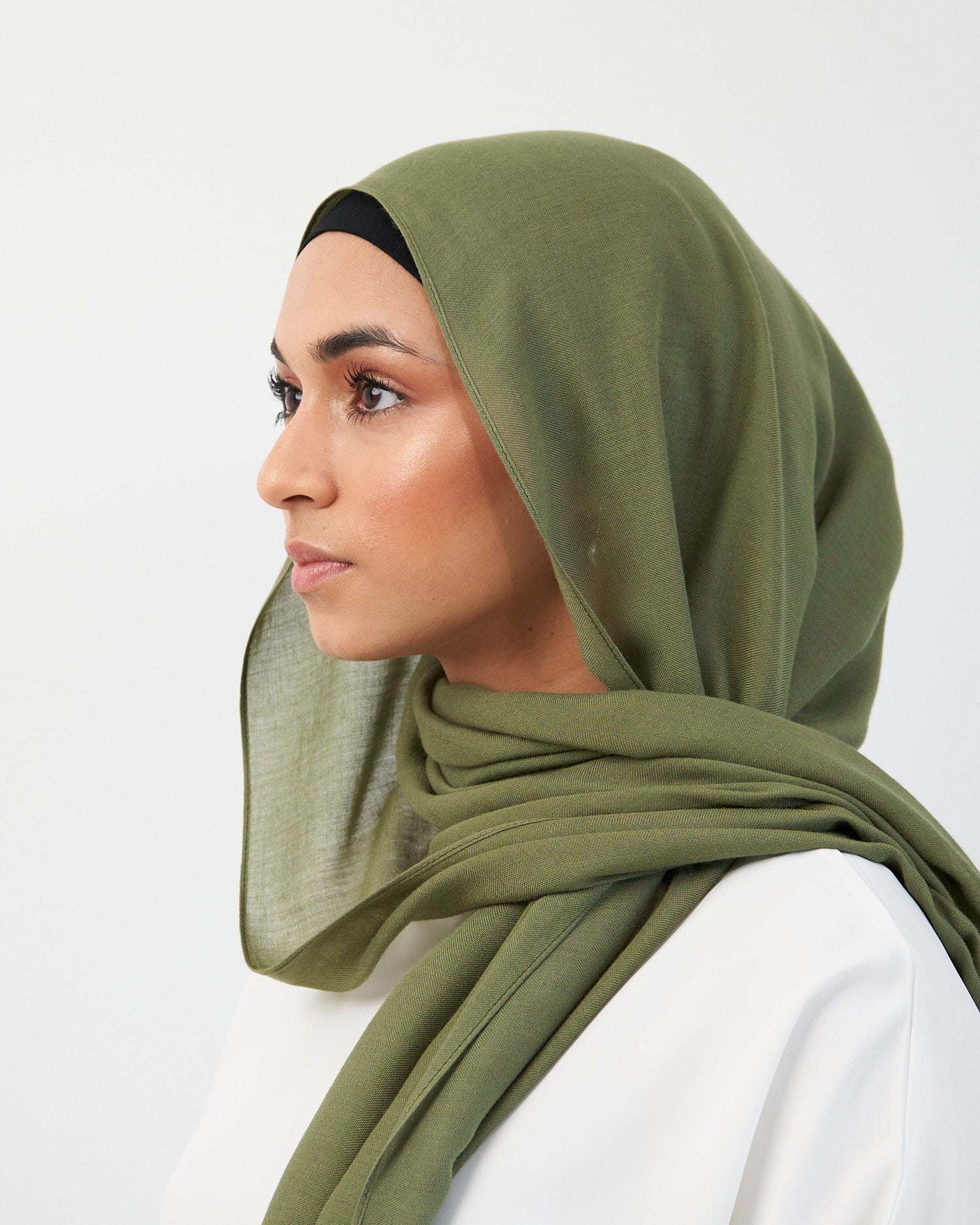
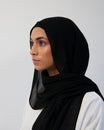
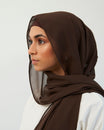
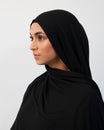
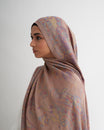
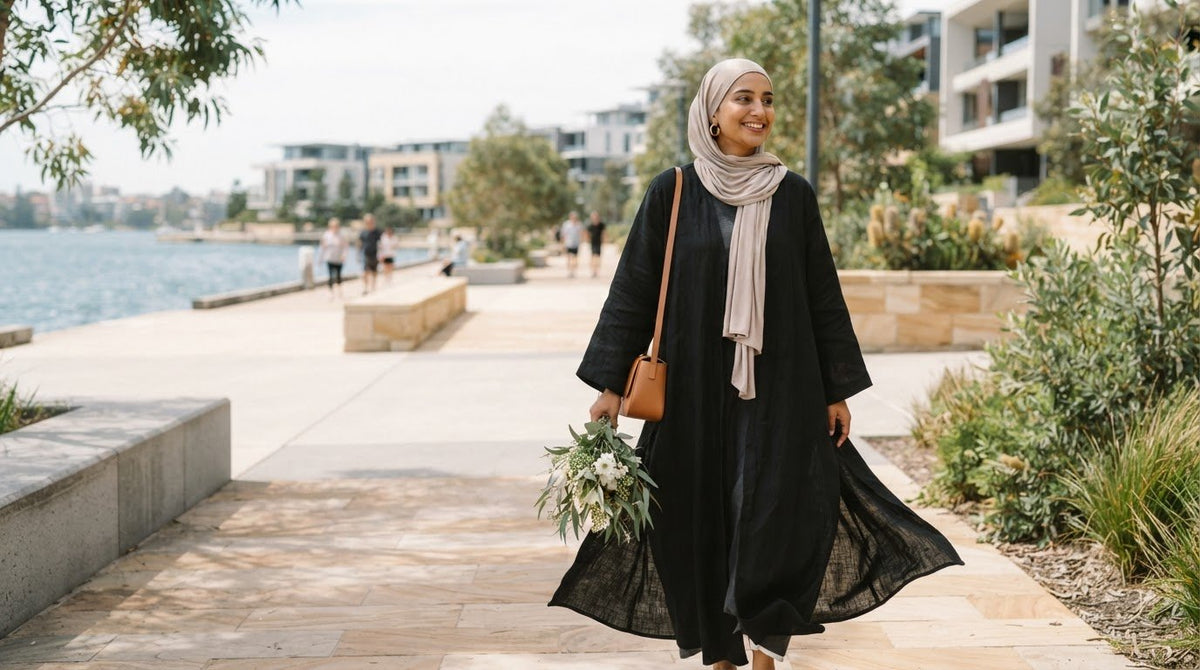
The thinnest abaya isn’t always the one that feels coolest. On a warm or humid Australian day, a loose cut can still feel heavy if the fabric clings or extra layers hold in warmth. Choosing a breathable abaya hot weather option means looking beyond the fabric label to how the garment sits, moves and provides the coverage you prefer.
Product descriptions can be hard to interpret. Words such as “lightweight” don’t explain exactly how a fabric will feel, drape or look in bright sunlight. And a breezy feel matters less if you’re unsure about opacity or comfort through a full day.
This guide explains which fabric and construction details can influence comfort, what to check in product descriptions and how to match an abaya to your plans. Fajr Noor offers linen abayas, though you should check each garment’s listed composition and care guidance before deciding. From fabric weight to fit and layering, the aim is to choose with your own preferences and routine in mind.
Key Takeaways
- Find out why a breathable abaya hot weather choice depends on the whole garment, not just its fabric label.
- Compare linen, cotton, viscose and polyester by checking fibre content alongside weave, finish and construction.
- Look beyond “lightweight” claims: consider airflow, drape, opacity, layering and ease of movement.
- Match your abaya to the day ahead, from a humid commute and outdoor errands to travel and cool indoor spaces.
- Explore Fajr Noor’s linen abayas, and check each garment’s composition, design and care instructions before deciding.
What Makes an Abaya Feel Breathable in Hot Weather?
Staying comfortable in the heat while keeping the coverage and silhouette you prefer takes more than choosing a thin fabric. Breathability is part of the picture, but you can’t judge it from a fabric name alone.
Breathability is how a fabric and garment construction allow heat and moisture to move away from the body. It differs from fabric weight, which describes how heavy or light the material feels. Comfort also depends on cut, layers, your activity, humidity and personal preference. These factors work together, as explained in discussions of clothing physiology.
Does lightweight always mean cool?
No. A fabric that feels light may still cling, feel warm against the skin or allow less airflow than you expect. Weight, weave, drape and airflow describe different qualities: weight is how substantial the fabric feels, weave is how its threads are arranged, and drape is how it falls on the body. None guarantees a particular level of comfort.
Construction matters too. A close cut or extra layers may limit air movement, while a looser shape gives the fabric more room to move. But loose doesn’t automatically mean comfortable, particularly during a long walk or busy commute. Treat words such as “lightweight” as clues, not promises. Check fibre composition, design and care instructions, and look for information about lining or layers where provided.
Why Australian heat can feel different from place to place
Dry heat and humid conditions can create different comfort considerations. In humid weather, moisture may linger against the skin, so a fabric that clings can feel uncomfortable. On a humid day in Brisbane, you might prioritise a relaxed fit and fewer layers. In Perth, consider airflow, coverage and how the garment feels during your planned outdoor activities.
These are starting points, not fixed rules. Conditions change, and your day may shift between a warm footpath, air-conditioned transport and a cool indoor space. Your preferred coverage, sensitivity to fabric texture and pace of activity matter too. There isn’t one breathable abaya hot weather choice for every Australian climate or wearer. Consider the conditions you’ll actually face, then assess the whole garment rather than relying on a single label.
Which Abaya Fabrics and Details Can Help in Warm Weather?
Fabric names are a starting point, not a comfort guarantee. Fibre content, weave, finish, lining and construction all influence how an abaya feels. Even garments made from the same fibre can differ in airflow, drape and opacity. Georgia Institute of Technology’s guide to best fabrics for summer heat also highlights why it helps to consider fabric properties rather than relying on a label alone.
Linen and other commonly discussed warm-weather fabrics
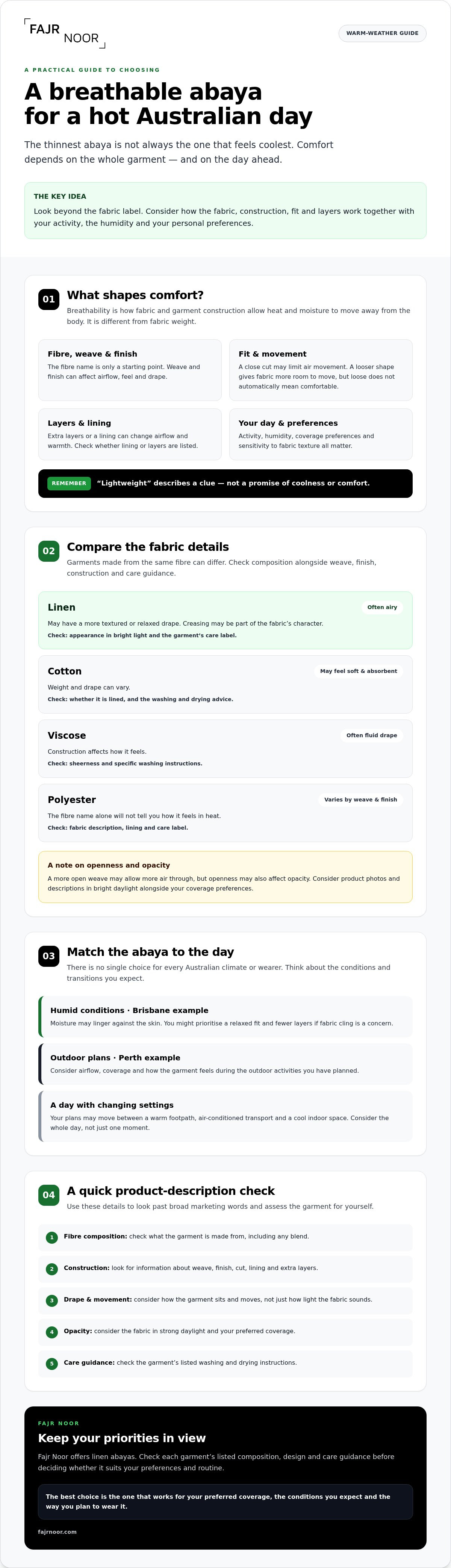
Linen is often valued for an airy feel and relaxed drape, though its texture and tendency to crease may not suit everyone. Cotton can feel soft and absorbent, while viscose is often chosen for its fluid fall. Polyester varies widely by weave and finish, so the fibre name alone won’t tell you how it feels in heat. Blends can behave differently again.
Fajr Noor offers linen abayas. Check the current product details for the exact composition, design and care instructions to decide whether a particular garment suits your needs.
| Fabric type | Possible feel and drape | Opacity and care checks |
|---|---|---|
| Linen | Often airy, with a more textured or relaxed drape. | Check the garment in bright light and follow its care label; creasing may be part of the fabric’s character. |
| Cotton | May feel soft and absorbent; weight and drape vary. | Check whether it’s lined and how the label advises washing and drying. |
| Viscose | Often has a fluid drape, though construction affects how it feels. | Check for sheerness and specific washing instructions. |
| Polyester | Feel and airflow depend greatly on the weave and finish. | Check the fabric description, lining and care label rather than assuming it will feel cool. |
How weave, colour and lining affect comfort
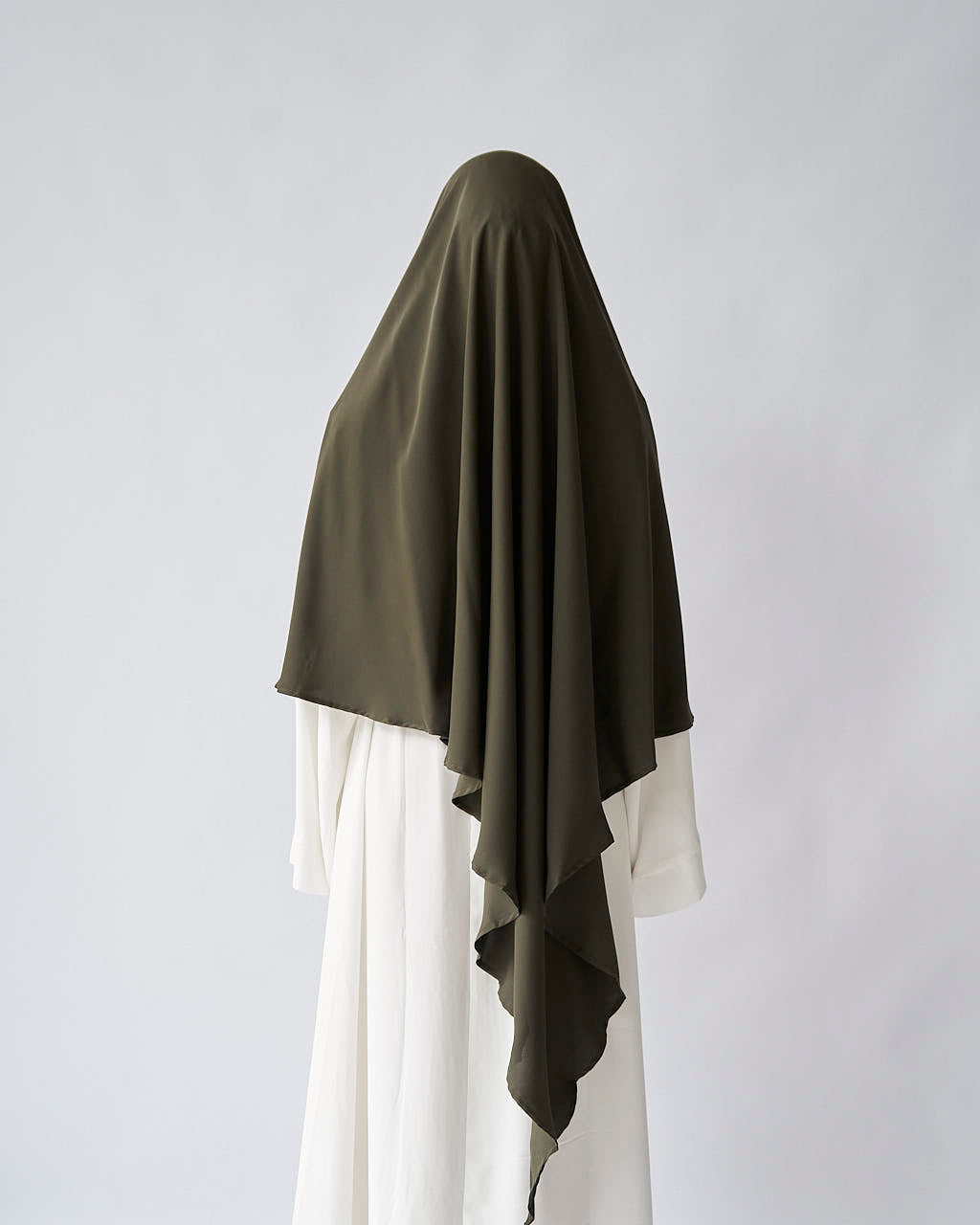
A more open weave may allow more air through, while a dense weave or extra lining can change airflow and warmth. Openness may also affect opacity. Review product photos and descriptions, and consider how the fabric looks in strong daylight alongside your coverage preferences.
Colour can influence how a garment feels in direct sun, but it’s only one factor. Don’t assume every light or dark colour will feel the same across different fabrics and designs. Assess the full garment, including its layers and fit. If linen is an option you’re considering, explore Fajr Noor’s linen abayas, then review the details listed for each garment.
How to Compare Breathable Abayas Without Relying on Marketing Claims
“Lightweight” and “summer-ready” can be useful clues, but neither guarantees comfort. Judge a breathable abaya for hot weather by how its fabric and construction work together, and whether the full garment suits your day.
Assess fabric composition and garment construction together: neither one, on its own, tells you how an abaya will feel, drape or provide coverage. Compare practical details rather than adjectives alone.
Which product details should you check online?
Start with the product description and care information. Look for:
- Fibre composition: Check whether the garment is made from one fibre or a blend.
- Lining: See whether the abaya is lined and whether the description says where.
- Measurements: Compare the garment’s listed length and other measurements with an abaya you find comfortable.
- Care instructions: Check washing and drying guidance before buying, particularly if the garment needs special care.
Photos can help you assess the apparent drape, cut and visible layers. They can’t confirm how a fabric feels, moves in a breeze or looks in bright daylight. If an essential detail isn’t listed, ask the retailer a specific question, such as whether the garment is lined or whether composition details are available.
How to balance coverage, opacity and airflow
There can be a trade-off. A lighter construction may feel less substantial, while lining or additional layers may support your preferred opacity but change the garment’s warmth and movement. Neither option is automatically right for everyone. Think about where you’ll wear the abaya, how active you’ll be and whether you plan to wear layers underneath.
Consider the garment in motion as well as at rest. Will you be able to walk comfortably? Does the cut sit as you prefer when you sit, reach or move? If you’re travelling between outdoor heat and air-conditioned spaces, consider whether your planned layers will remain comfortable in both settings.
Coverage is personal. Review the garment details in light of your preferences and intended setting, rather than treating one level of opacity or airflow as suitable for everyone. Careful comparison can help you decide whether a breathable abaya hot weather option fits your style and the day you have planned.
How to Choose and Wear an Abaya for a Hot Australian Day
Start with your plans, not a promise on a product label. Use this checklist while browsing for a breathable abaya hot weather option:
- 1. Consider the conditions. Think about humidity, time outdoors and whether the day may shift between warm and cool spaces.
- 2. Match it to your activity. A commute, outdoor errands and a long travel day can call for different levels of movement and layering.
- 3. Check the fabric details. Review fibre composition, lining and any construction information provided, rather than relying on words such as “light” alone.
- 4. Look at fit and movement. Check garment measurements and consider how the cut may feel as you walk, sit or carry belongings.
- 5. Read the care instructions. Confirm that the garment’s care guidance suits how you’re able to wash and dry it.
Quick browsing reminder: compare conditions, activity, composition, fit and care before deciding.
Match the abaya to the day and setting
For a humid commute, consider how much you’ll walk, how long you’ll be outdoors and whether extra layers might feel uncomfortable. For outdoor errands, think about ease of movement and your preferred coverage. On a travel day, a comfortable stride and manageable care instructions may matter as much as perceived lightness, especially if you’ll be sitting for extended periods or moving between locations.
Cool indoor spaces can feel quite different from the street outside. If your day includes air-conditioned transport or buildings, consider whether you’d prefer an additional layer. A breathable-feeling underlayer is an option if it suits your comfort and coverage preferences, not a requirement. Choose pieces that feel comfortable together, and don’t assume a garment provides a particular level of sun protection unless that is clearly stated for the product.
Care for lightweight garments in warmer weather
Warm-weather wear may mean more frequent washing, but fabrics don’t all need the same care. Follow the garment’s own instructions rather than applying one routine to every abaya. Check the listed fibre composition against the care guidance, and use the recommended handling and drying method to help maintain the garment’s appearance. If instructions are unclear, ask the retailer to clarify them before washing.
Ready to compare options against your checklist? Explore Fajr Noor’s abayas and review the composition, design and care details listed for each garment.
Explore Fajr Noor Abayas with Your Warm-Weather Priorities in Mind
A fabric label can help narrow your options, but it can’t tell the whole story. For a breathable abaya hot weather choice, consider the garment as a whole: its composition, construction, fit, lining and how you plan to wear it. Fajr Noor is an Australian online modest-fashion retailer with linen abayas to explore. Linen may appeal if you’re looking for that fabric, but each garment’s details matter more than a general expectation about the fibre.
A simple checklist before choosing an abaya
Before deciding, compare the product information with your own preferences:
- Composition: Confirm the listed fibre content. Don’t assume a fabric name tells you whether the garment is pure linen or a blend.
- Lining and opacity: Check whether the abaya is lined and consider whether its opacity suits your preferences in the settings where you’ll wear it.
- Measurements and fit: Review available measurements and think about how the cut may feel when walking, sitting or travelling.
- Setting and layers: Consider the weather, your planned activity and whether you’ll wear anything underneath or add a layer indoors.
- Care: Read the garment’s care instructions and check they align with its listed composition.
Product photos can help you understand the visible cut and drape, but they can’t confirm exactly how fabric feels or behaves in different conditions. If an important detail isn’t included, ask the retailer a clear question before purchasing. This can help you compare options with greater confidence.
Browse available abayas at Fajr Noor
Fajr Noor’s linen abayas are one category to consider as you weigh your warm-weather priorities. Suitability depends on the individual garment and your preferences, so review its product page for composition, measurements, lining, care guidance and availability. These details can help you decide whether its design works for your climate, coverage needs and day-to-day plans.
Take your time, compare the details that matter to you, and explore Fajr Noor’s abayas when you’re ready.
Choose an Abaya That Suits Your Warm-Weather Days
A comfortable choice is about more than a fabric label. As this breathable abaya hot weather guide shows, fibre content, weave, lining and fit all shape how a garment may feel. Your plans matter too, whether you’re commuting, walking outdoors or spending time inside.
Before choosing, check the product’s composition, measurements and care instructions. Consider opacity and any layers you prefer, then compare those details with your coverage and comfort priorities. Fajr Noor is an Australian online modest-fashion retailer offering linen abayas. Whether you’re shopping from Sydney, Brisbane, Melbourne, Perth or Adelaide, review each garment’s listed details rather than assuming every piece feels or performs the same.
Ready to compare? Explore Fajr Noor’s abayas and review the information for each garment. With a little attention to fabric, construction and your day’s needs, you can choose with greater confidence for your warm-weather wardrobe.
Frequently Asked Questions
What is the most breathable fabric for an abaya in hot weather?
There isn’t one fabric that feels most breathable for everyone. Linen is often valued for its airy feel, while cotton, viscose and other fibres can feel different depending on their weave, finish and construction. Check the garment as a whole, including its lining and fit. A fabric name can guide your search, but it can’t guarantee how an abaya will feel in your local conditions.
Is linen a good choice for an abaya in hot weather?
Linen can be an option to consider, but its feel and suitability depend on the garment and your preferences. Texture, drape, lining and fit all matter, as does how you plan to wear it. Fajr Noor offers linen abayas. Before choosing one, check the product page for its exact fibre composition, measurements and care instructions rather than assuming every linen garment is identical.
Can a black abaya be comfortable in hot weather?
Yes, a black abaya can be comfortable in hot weather, though comfort depends on more than colour. Consider the fabric, weave, lining, fit and how much time you’ll spend in direct sun. Conditions can differ across Sydney, Brisbane, Melbourne, Perth and Adelaide, and from one day to the next. Check the garment details and choose based on your setting, activity and personal comfort.
How do I know if an abaya is breathable when shopping online?
Look for the listed fibre composition, lining details, garment measurements and care instructions. Product photos may help you judge visible drape and layers, but they can’t show exactly how fabric feels or moves in warm conditions. Treat words such as “lightweight” as clues, not proof. If an important detail is missing, ask the retailer a clear question before deciding whether it suits your needs.
Are loose abayas cooler to wear in summer?
A looser cut may allow more room for movement and airflow, but it doesn’t guarantee a cooler feel. Fabric, weave, lining and the layers worn underneath also play a part. Consider how the abaya sits when you walk, sit and reach, and whether the shape feels comfortable for your planned activity. The best fit supports your coverage preferences and feels easy to wear.
What should I wear under an abaya on a hot day?
Choose an underlayer that feels comfortable against your skin and works with the abaya’s opacity, fit and your preferred coverage. Some people prefer a lightweight-feeling layer; others may not need an additional one. Consider how the fabrics sit together and whether extra layers might feel uncomfortable during a humid commute or outdoor activity. There’s no single choice that suits everyone.
How should I care for a linen abaya?
Follow the care instructions provided for that specific garment. Linen abayas may differ in fibre composition, blends, finishes and construction, so don’t assume the same washing or drying method applies to all of them. Check the product page and garment label before laundering. If the instructions are unclear, ask the retailer for guidance that matches the listed composition. Gentle handling and the recommended drying method can help maintain appearance.

Leave a comment
All comments are moderated before being published.
This site is protected by hCaptcha and the hCaptcha Privacy Policy and Terms of Service apply.