

Hajj Is Not a Longer Umrah
People often plan Hajj clothing the way they planned Umrah clothing, and then discover the two are genuinely different problems.
Umrah happens almost entirely in and around the Haram, with a hotel nearby, laundry available, and air conditioning between. Hajj takes you to Mina, Arafat and Muzdalifah. You will sleep in a tent. You will spend a full day standing outdoors in the heat at Arafat. You may sleep a night in the open at Muzdalifah. Laundry is not realistic for several days.
So the clothing question changes from what looks appropriate to what survives.
Ihram for Women
There is no prescribed garment for women in ihram. Unlike men, who wear two unstitched white cloths, women wear ordinary modest clothing.
The requirements are that the clothing covers appropriately, is not perfumed, and that the face and hands are generally left uncovered, though practice on face covering varies and you should follow the guidance of your group and your own scholarship.
The colour is not specified. White is common and practical because it reflects heat, but black or any modest colour is acceptable.
What this means practically is that your ihram clothing is simply a comfortable, modest, unperfumed outfit. That sounds easy until you consider the conditions.
What Hajj Does to Clothing
Five things shape every decision:
- Heat. Often extreme, and much of it outdoors without shade.
- Dust. Mina and Arafat are dusty in a way that Makkah hotels are not.
- Sweat. Continuous, over days, with limited washing.
- Sleeping in clothes. In tents and sometimes in the open.
- Crowds. Dense, constant, and no space to adjust a garment.
A garment that is merely acceptable will become miserable under these. Choose for the worst day, not the average one.
What Actually Works
Fabric
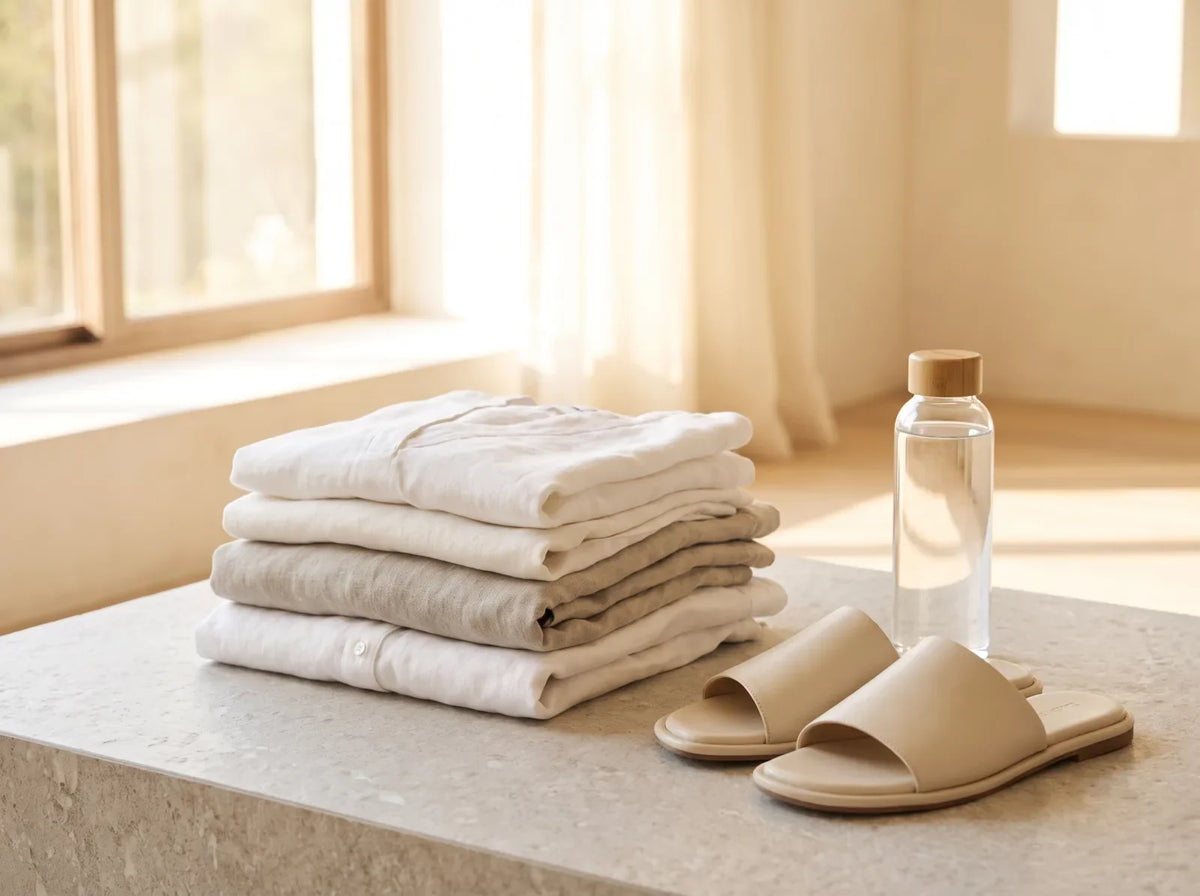
Light, breathable and fast-drying. You will be washing things in a bathroom and needing them dry by morning, and heavy fabric will not cooperate.
Avoid anything that clings when damp, which rules out several fabrics that feel fine in an air-conditioned room and behave very differently in heat.
Cut
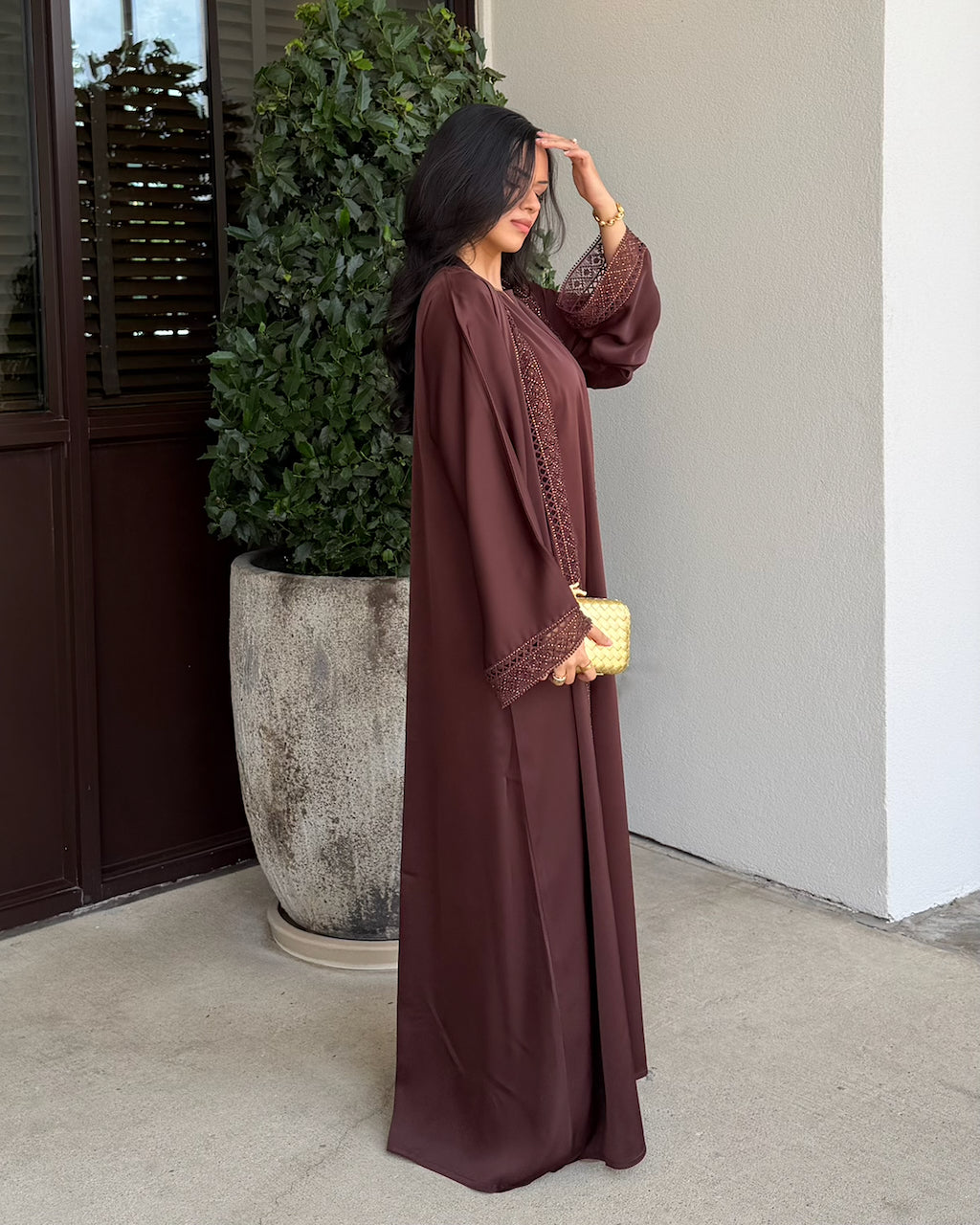
Loose everywhere. Loose at the shoulder for raised hands in dua, loose through the body for walking and for sleeping in, and loose at the sleeve, though not so wide that the fabric drags.
Avoid a fitted waist. You will be sitting on the ground, sleeping in it, and wearing it for long stretches.
Colour
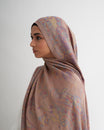
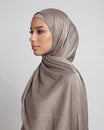
Mid-tones are the pragmatic choice. White reflects heat best but shows every mark, and Mina is dusty. Black absorbs heat noticeably in full sun. Stone, soft grey and muted neutrals sit in between and disguise dust.
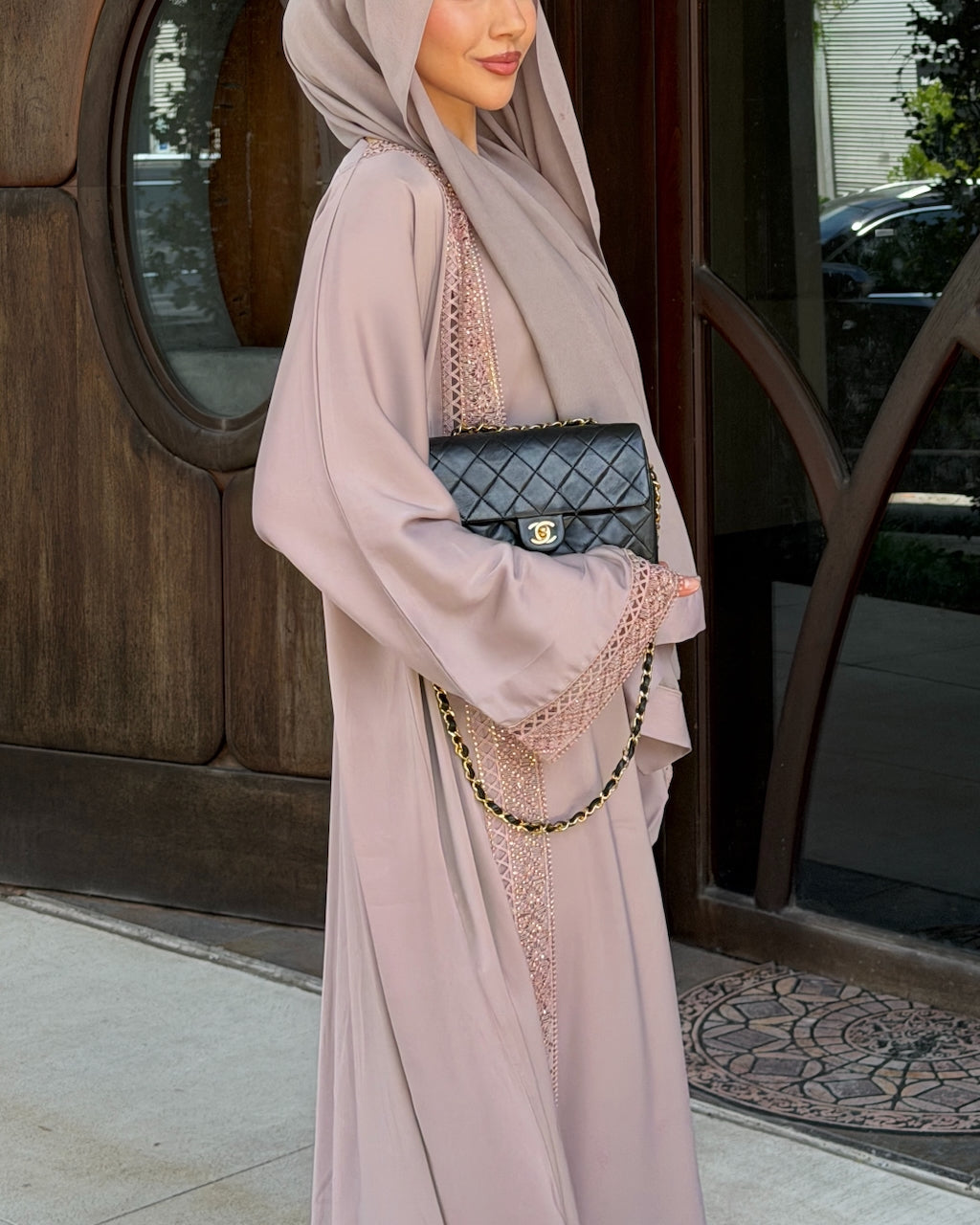
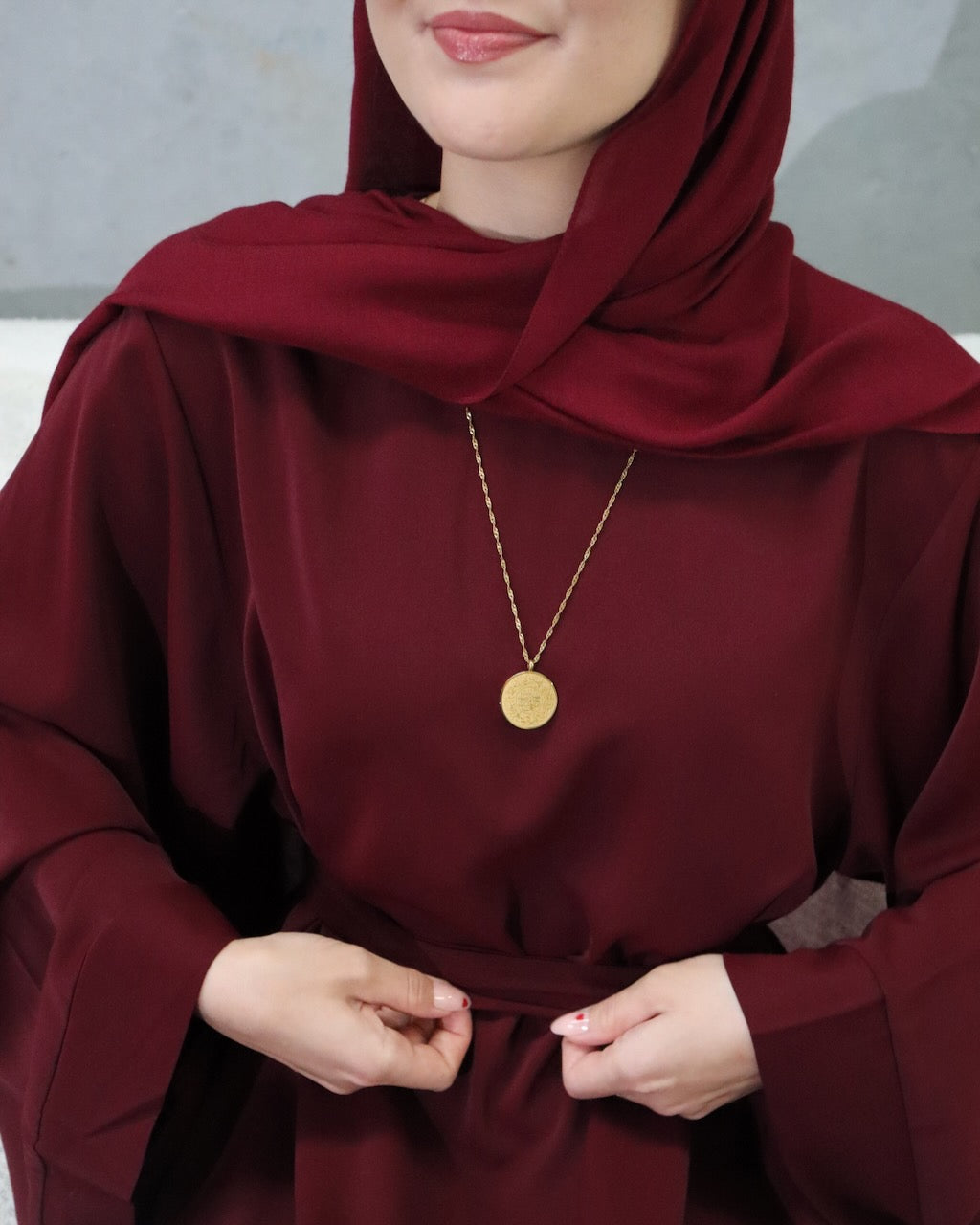
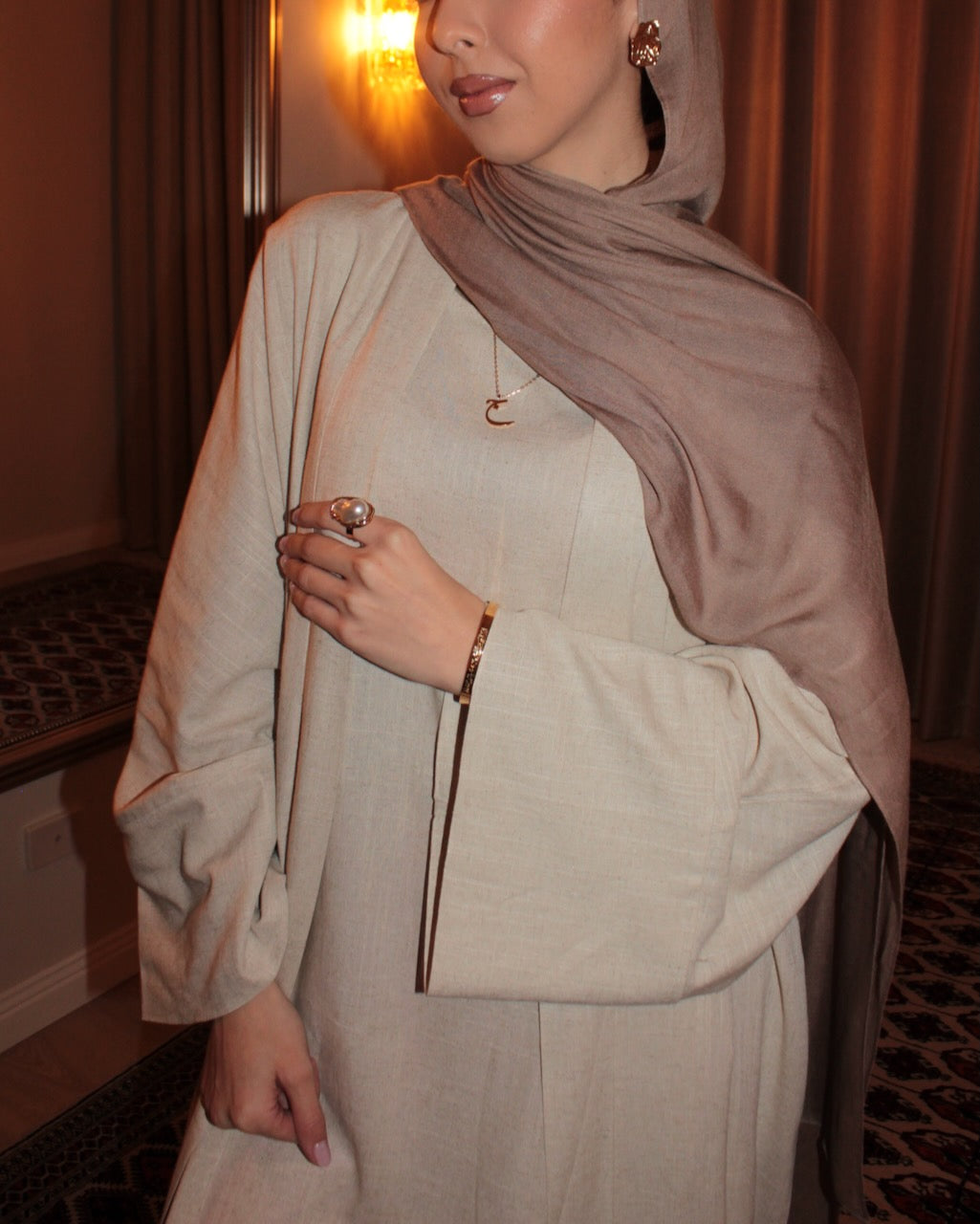
Our Umrah and Hajj abayas are chosen for these conditions rather than for styling.
The Layering System That Works
Most experienced pilgrims use three layers rather than one garment.
- A base layer. Loose cotton or breathable trousers and a long top. This is what you sleep in and what you wear under everything.
- An abaya or jilbab over it. Your outer covering for the day, which can be changed while the base layer stays.
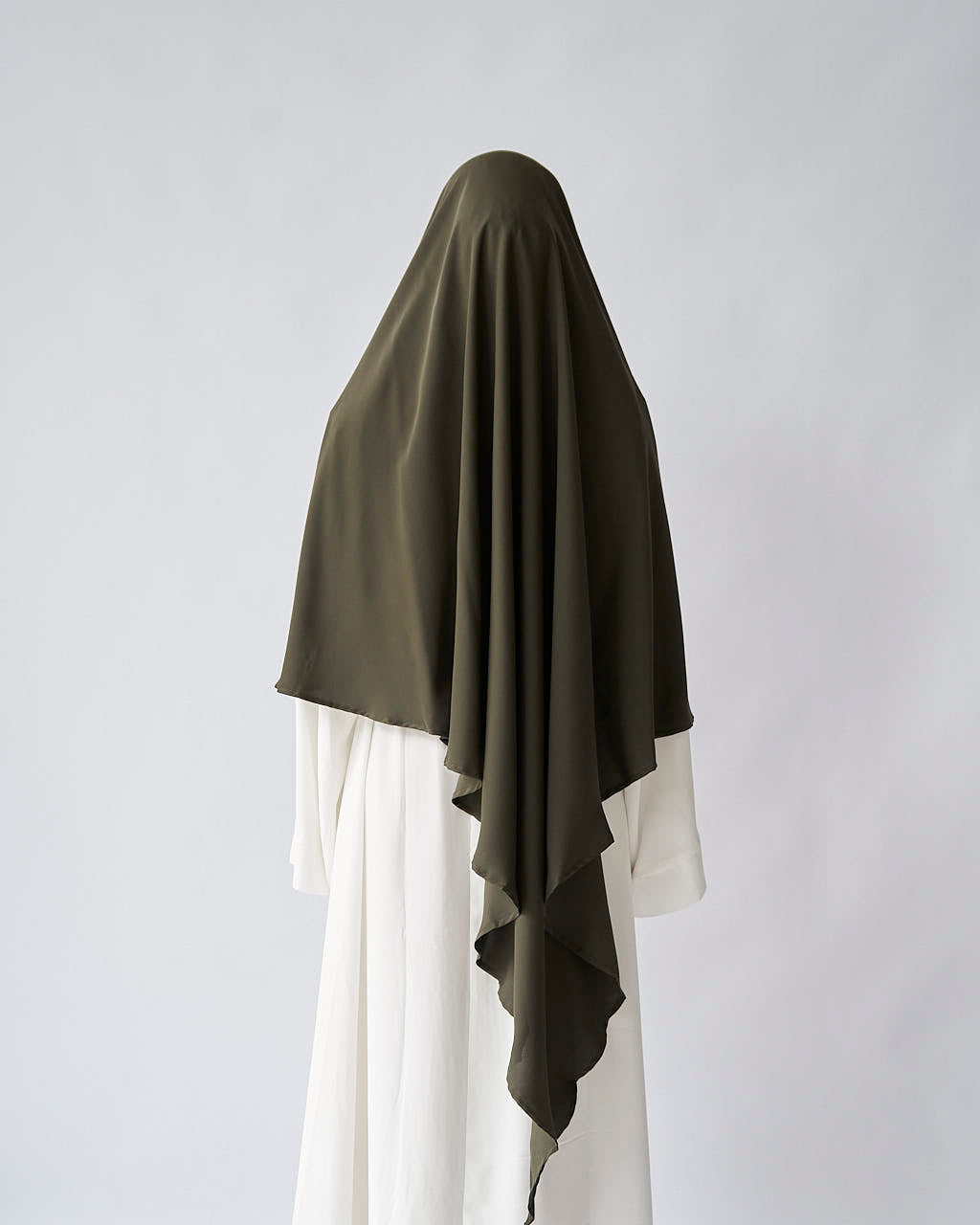
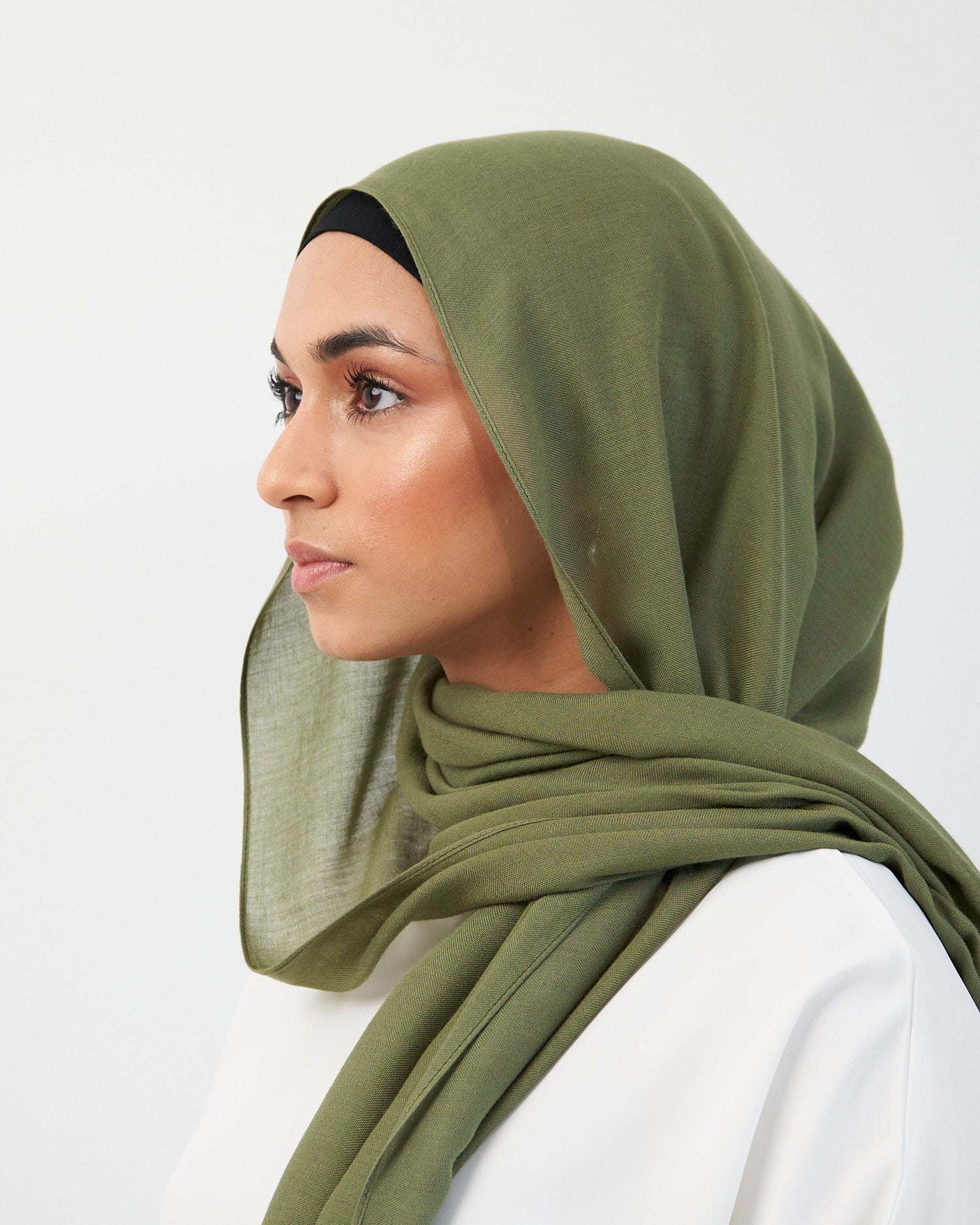
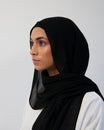
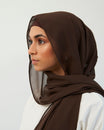
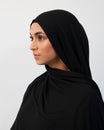
- A khimar for prayer. Pull-on full coverage for salah, which means you do not need your outer layer to be perfect at prayer time.
The advantage is that you can refresh one layer without a complete change, which matters enormously across several days without laundry. The prayer jilbabs and khimars both suit this system.
How Much to Bring
For the days in Mina, Arafat and Muzdalifah specifically, plan on:
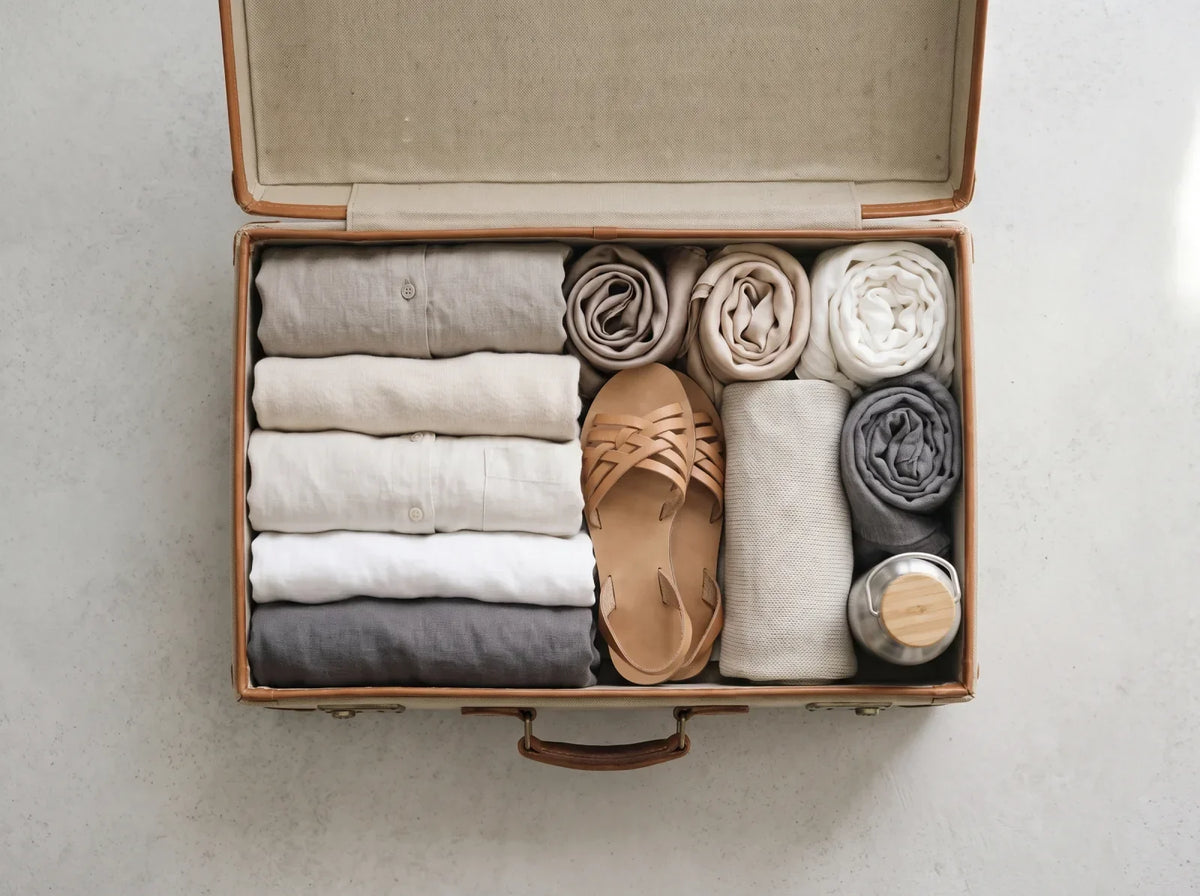
- Two to three outer garments, so one is always clean.
- Several base layers, because these absorb the most and are lightest to pack.
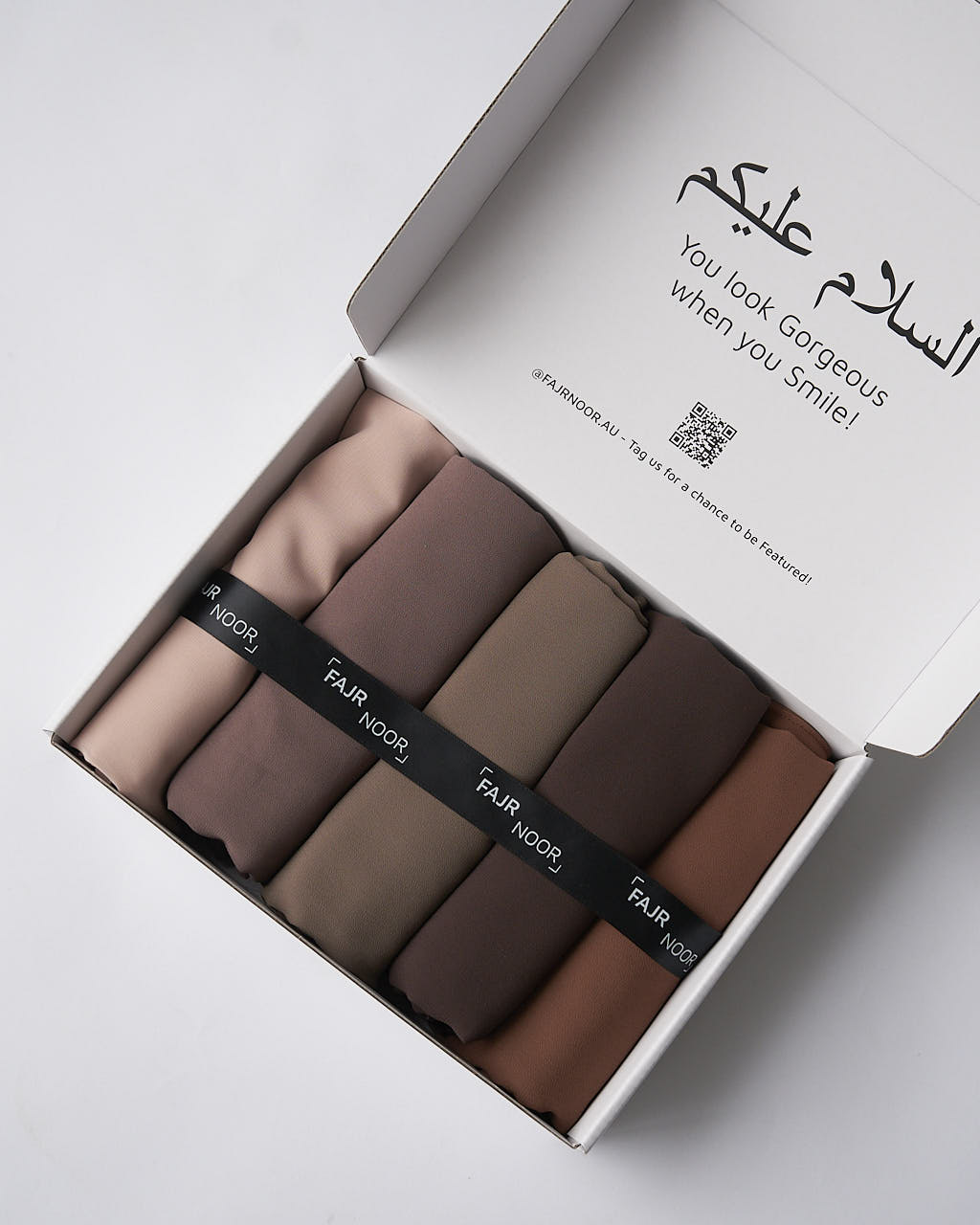
- Five or more hijabs, and a khimar.
- Many undercaps. They are tiny and they make an enormous difference to comfort.
For the days in Makkah before and after, the standard Umrah approach applies.
Feet, Which Decide Everything
Hajj involves more walking than most people prepare for, and much of it on hard surfaces in heat.
Flat, cushioned, broken-in, easy to slip off. Never new. Bring a second pair, because if one gives you a blister on day two you have a long way to go on the other.
Socks are not optional. Marble goes from cold in the early hours to painfully hot by midday.
Small Things That Matter Disproportionately
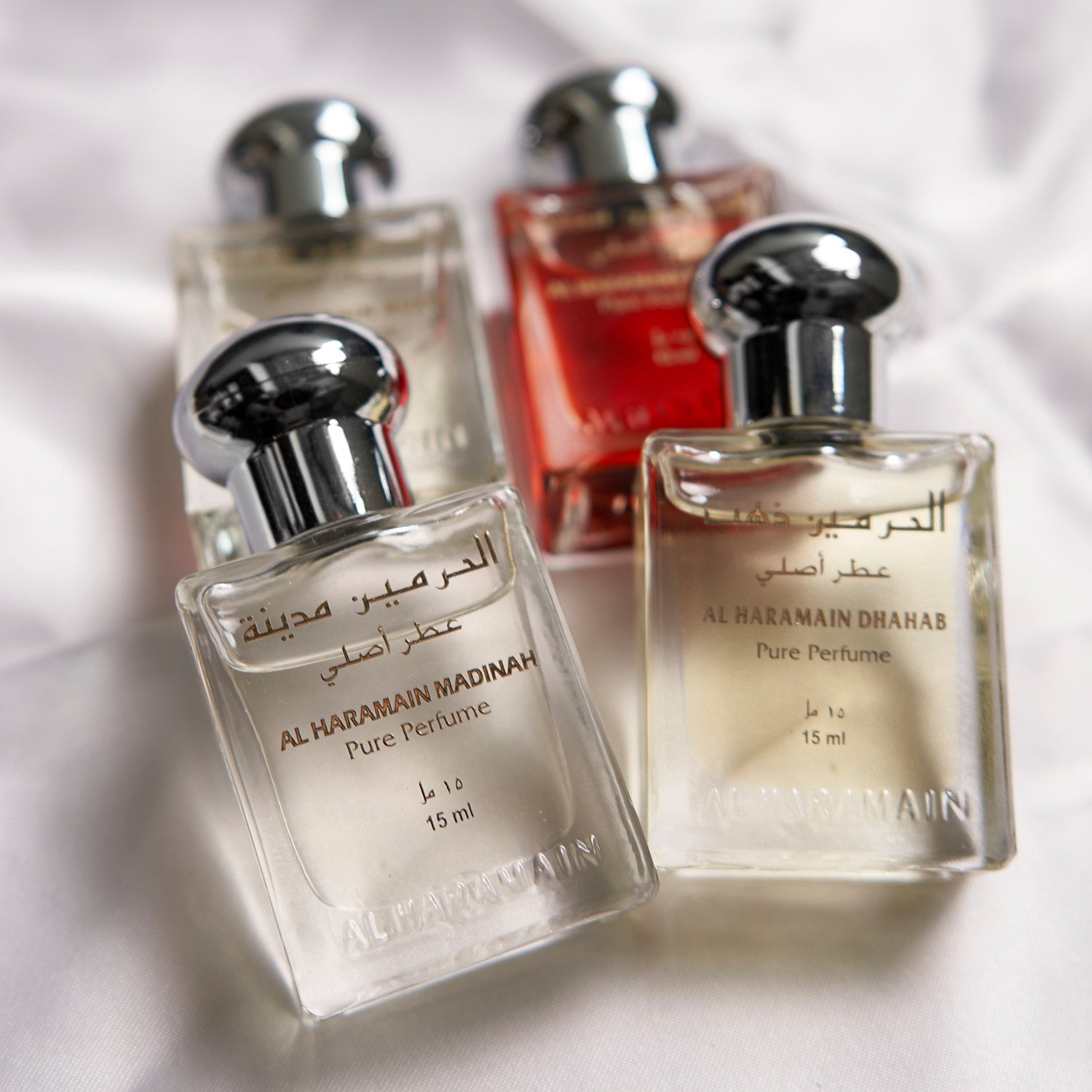
- Unscented everything. Soap, shampoo, deodorant, wipes. Buy before you travel.
- A wide, light scarf that can double as shade at Arafat.
- A small bag that closes, worn across the body.
- A refillable bottle. Dehydration is the most common problem of the whole journey.
- A clothesline or two pegs. Sounds absurd until you are drying a hijab on a tent rope.
What Not to Bring
Anything new, anything that needs ironing, anything delicate that cannot be hand-washed, anything with long loose fabric at the hem, and anything you would be upset to see ruined. Hajj is hard on clothing.
Order well ahead so you can wear each garment for a full day before you travel. We ship worldwide from Australia with 30 days to return, but the useful test is wearing the thing, not looking at it.
Frequently Asked Questions
What do women wear for ihram during Hajj?
Ordinary modest clothing. There is no prescribed garment as there is for men. It must not be perfumed, and the face and hands are generally left uncovered, though practice varies.
Does Hajj clothing have to be white?
No. White is common and reflects heat well, but any modest colour is acceptable. Mid-tones are often the most practical because they disguise the dust of Mina and Arafat.
How many outfits do I need for Hajj?
Two to three outer garments and several lighter base layers for the days at Mina, Arafat and Muzdalifah, where laundry is not realistic. Plus five or more hijabs and a khimar.
How is Hajj clothing different from Umrah clothing?
Umrah happens mostly around the Haram with a hotel and laundry nearby. Hajj involves tents, a full day outdoors at Arafat, sleeping in your clothes, dust and several days without washing. Durability matters far more.
Can I wear perfume during Hajj?
Not in ihram, and that includes scented soap, shampoo and deodorant. Buy unscented versions before you travel.
What shoes should I take?
Flat, cushioned and thoroughly broken in, easy to slip on and off. Bring two pairs, because a blister early on is a serious problem across the remaining days.

Leave a comment
All comments are moderated before being published.
This site is protected by hCaptcha and the hCaptcha Privacy Policy and Terms of Service apply.