

Pack for the Walking, Not the Trip
Most Umrah packing lists are written as though you are going on holiday. You are not. You are going to walk a great deal, on marble, in heat, in a crowd, often at hours when you would normally be asleep, and you will do it in the same few garments over and over.
Once you accept that, packing becomes simple. You need fewer things than you think, and the things you need have to be genuinely comfortable rather than merely acceptable.
How Many Abayas
Three is the number most women land on for a week to ten days.
One being worn, one clean and ready, one in the wash or drying. Hotel laundry in Makkah and Madinah is available but slow and expensive during peak periods, so plan to rinse things yourself in the room.
What matters in the garment:
- Loose enough to move. You will be walking for hours and performing tawaf in a crowd. Anything that restricts the stride will become unbearable by the third circuit.
- Breathable and light. Even in cooler months the Haram is warm with that many people in it.
- Genuinely opaque, including under the bright lighting around the mataf, which is stronger than daylight in places.
- Quick drying, because you will be washing in a hotel bathroom.
- Nothing loose at the hem. Long trailing fabric is a hazard in a crowd and gets stepped on.
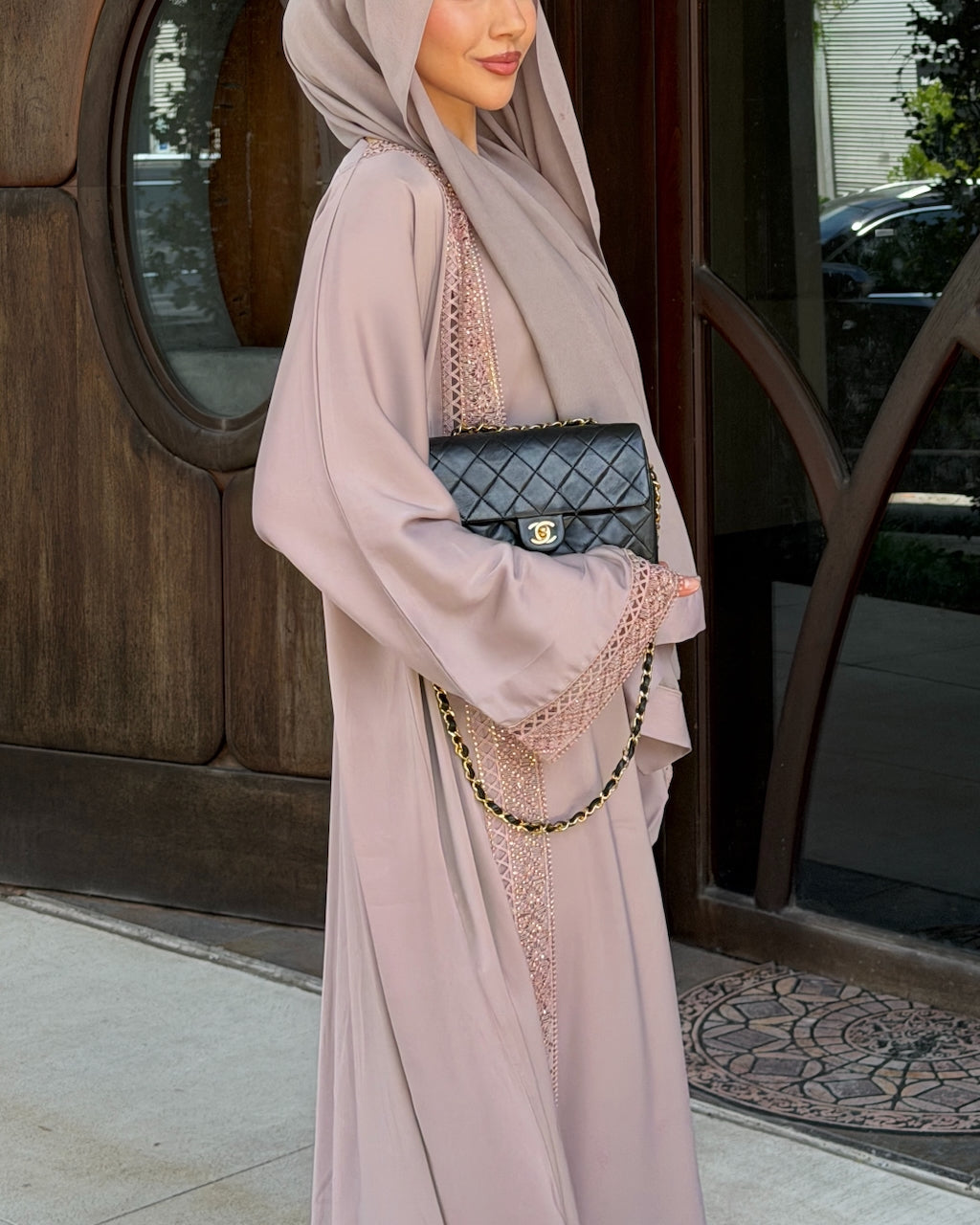
Our Umrah and Hajj abayas collection is built around these requirements rather than around styling.
Colour: The Honest Answer
Black is traditional and it is what most women wear. It also absorbs heat, which matters if you are travelling in summer.
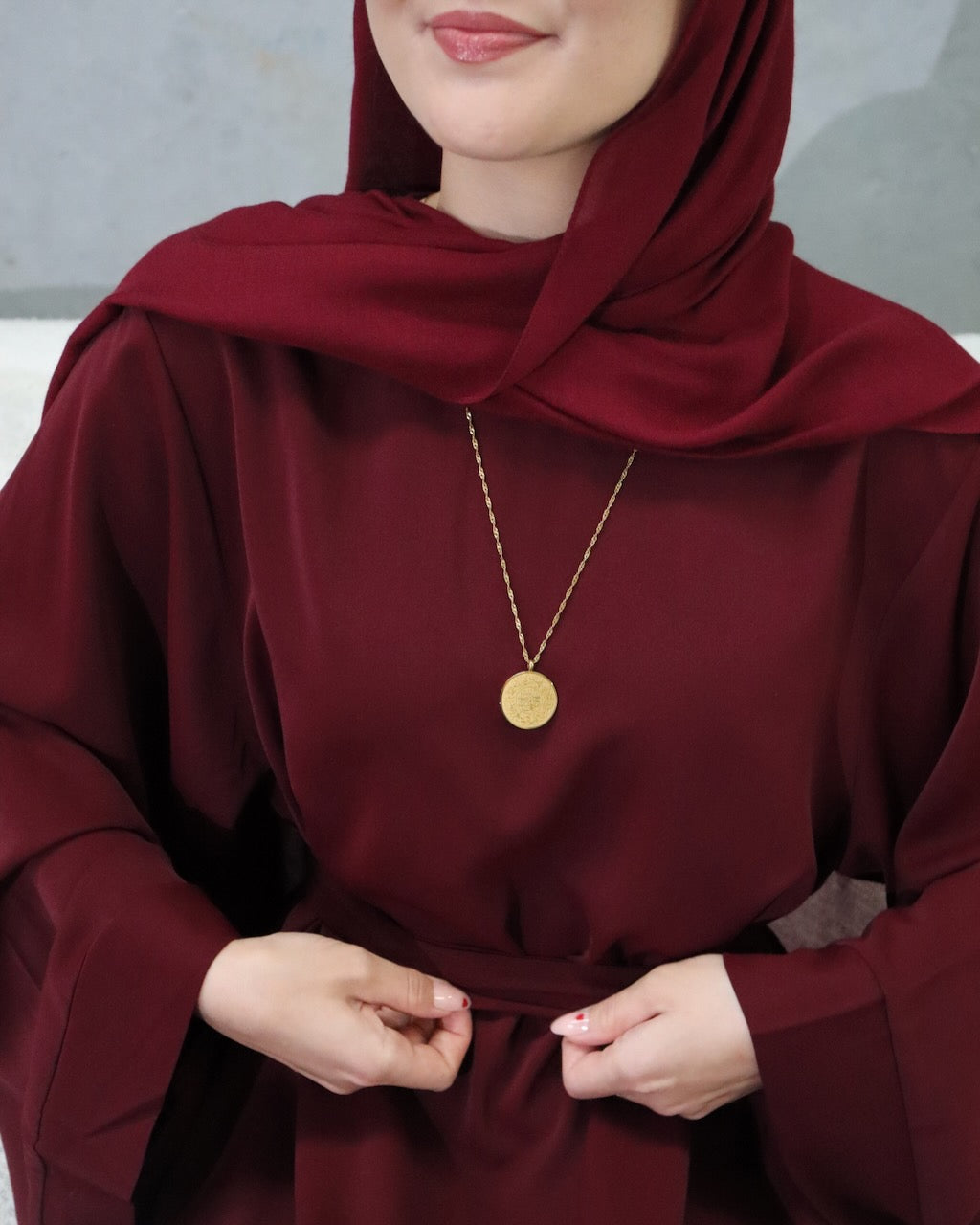
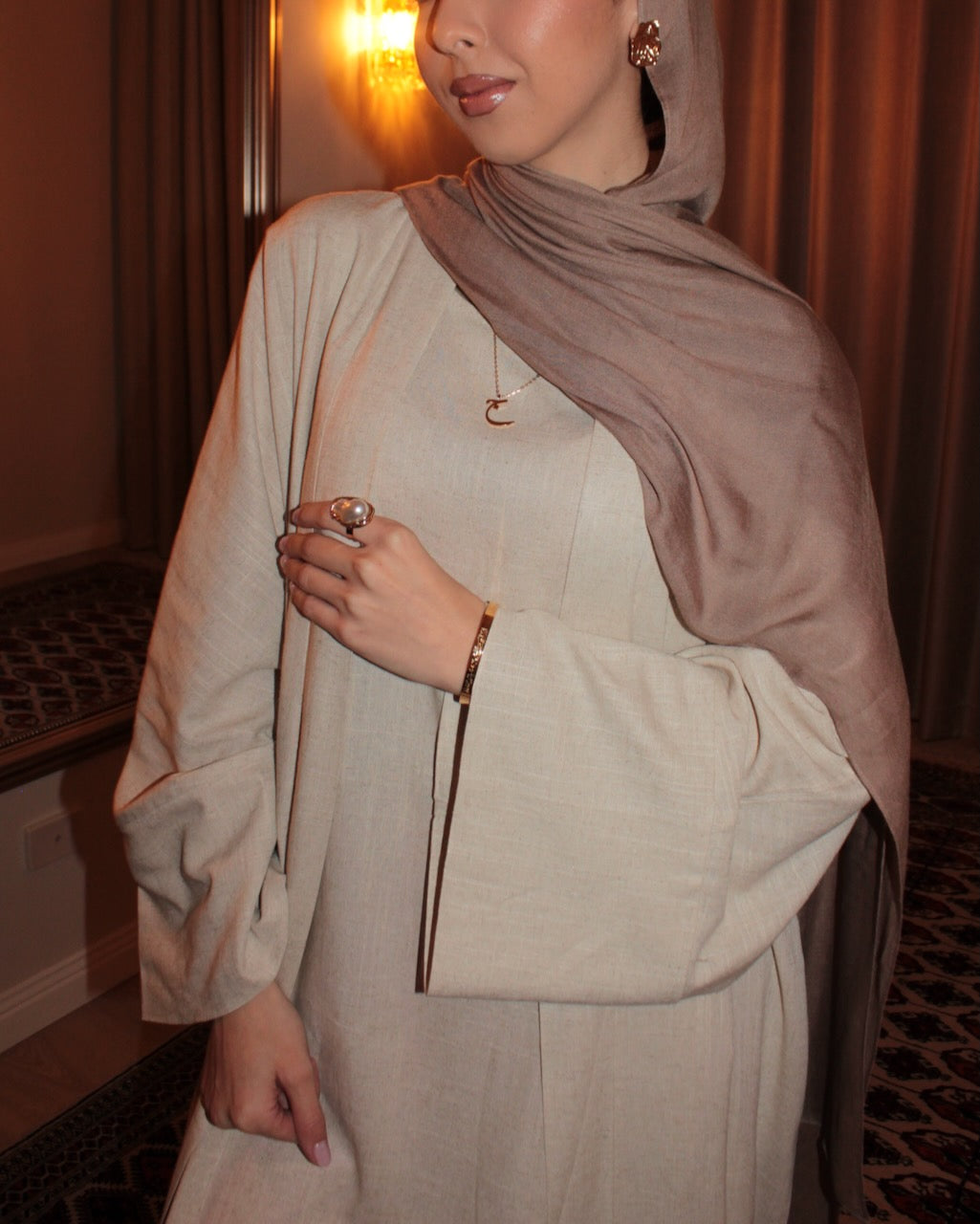
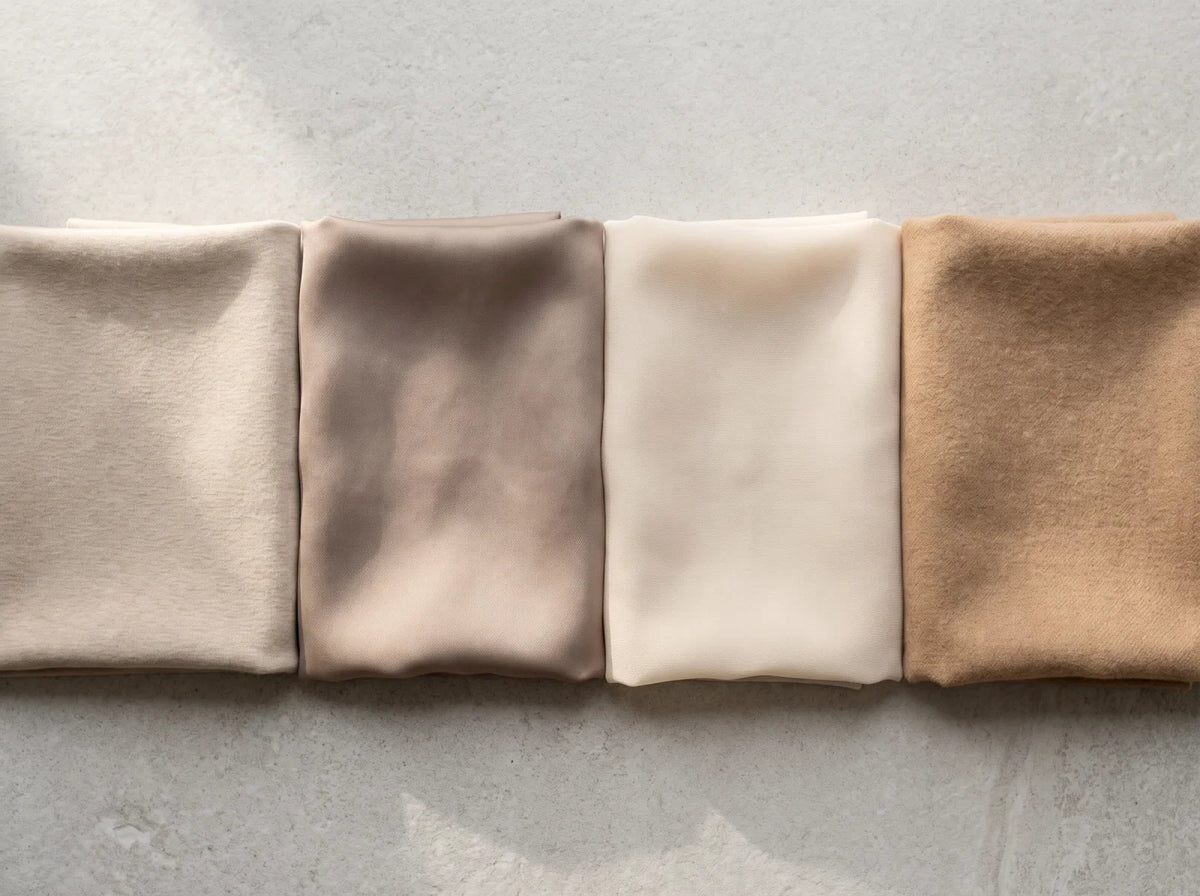
Lighter colours, stone, soft grey, white, are entirely acceptable and noticeably cooler in direct sun. They do show dust more, and Makkah is dusty. Many women take two black and one lighter for the hottest part of the day.
There is no requirement that an Umrah abaya be black. Choose for the heat you will actually be in.
Headwear
Bring more than you think, because these are the items you will change most often.
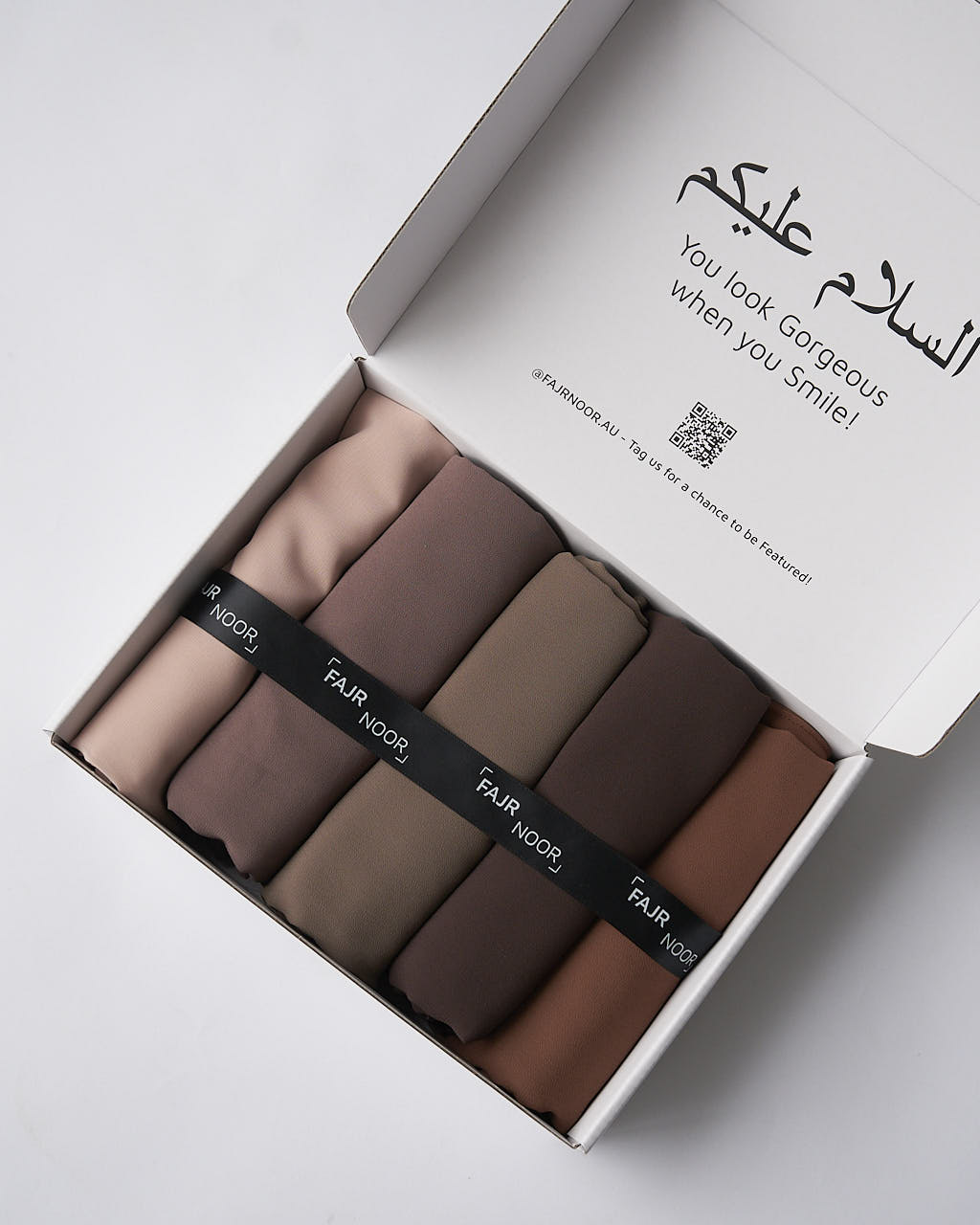
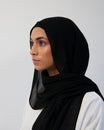
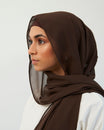
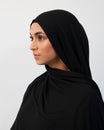
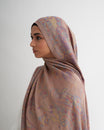
- Four to five hijabs. They get warm, they get damp, they get changed.
- Several undercaps. Small, weigh nothing, and they are the difference between a scarf that holds through tawaf and one you are constantly fixing in a crowd where you cannot stop. See hijab caps.
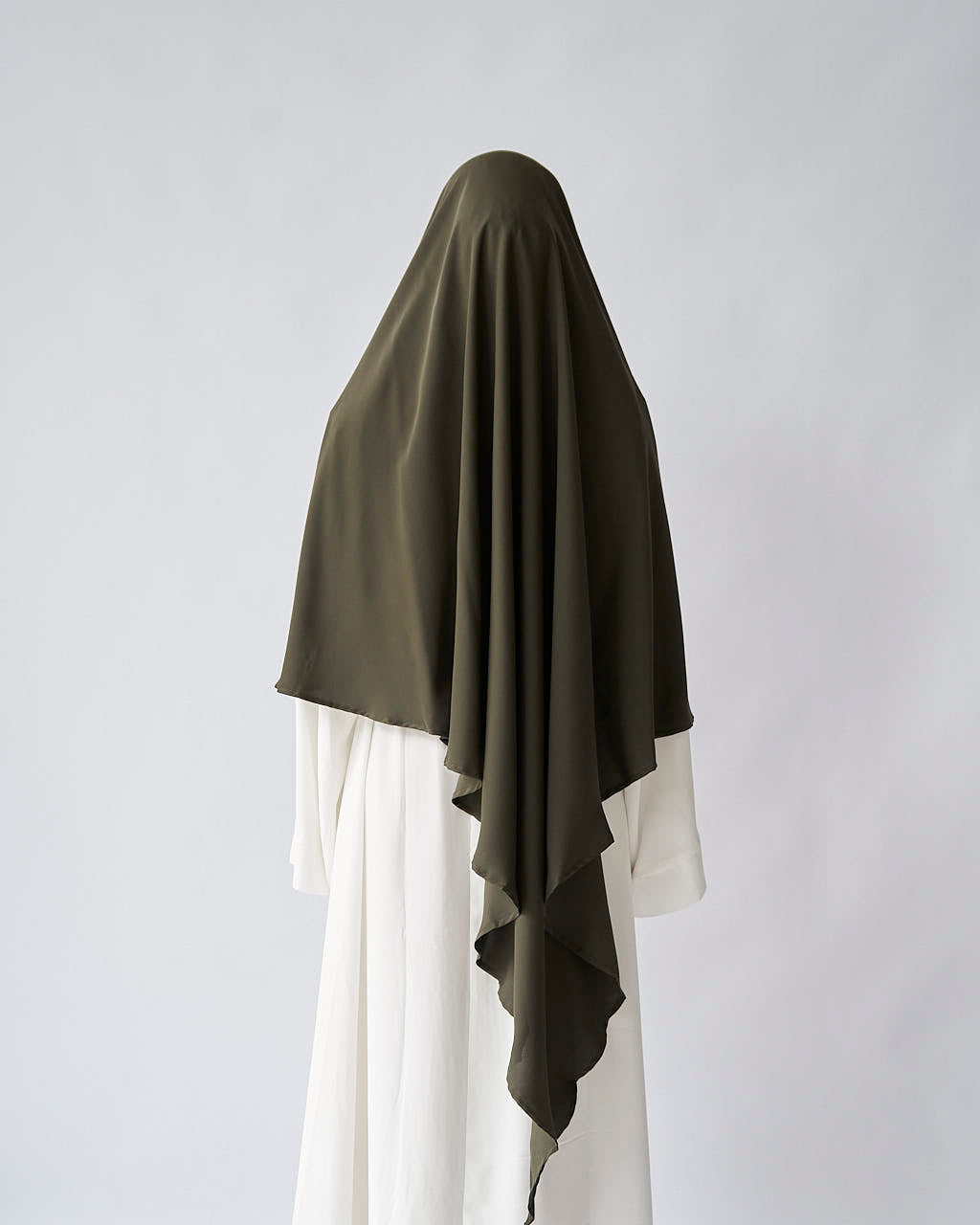
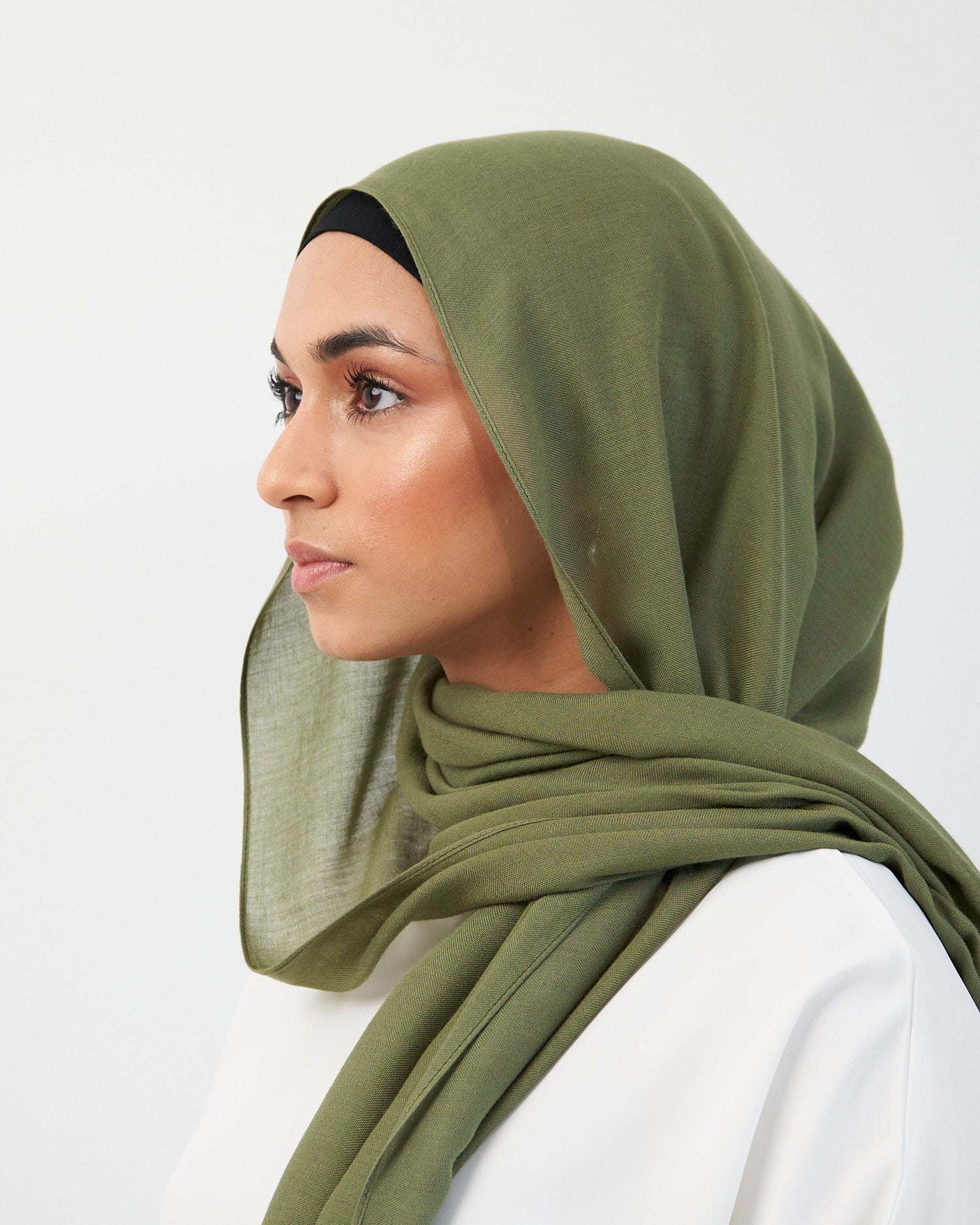
- One khimar. This is the item most women wish they had brought. Pull-on, full coverage across head and chest, no pinning, ideal for the mosque and for the long prayers. See the khimars.
- Plenty of pins. They vanish. Bring double.
A practical note: choose scarves that do not slip, because you will not always be able to raise your arms to fix a hijab in a dense crowd.
The Shoe Problem
This is the single biggest packing mistake, and it is worth more attention than the clothing.
You will walk many kilometres on hard polished marble. Sa'i alone is seven lengths between Safa and Marwah. You will also remove your shoes constantly and carry them.
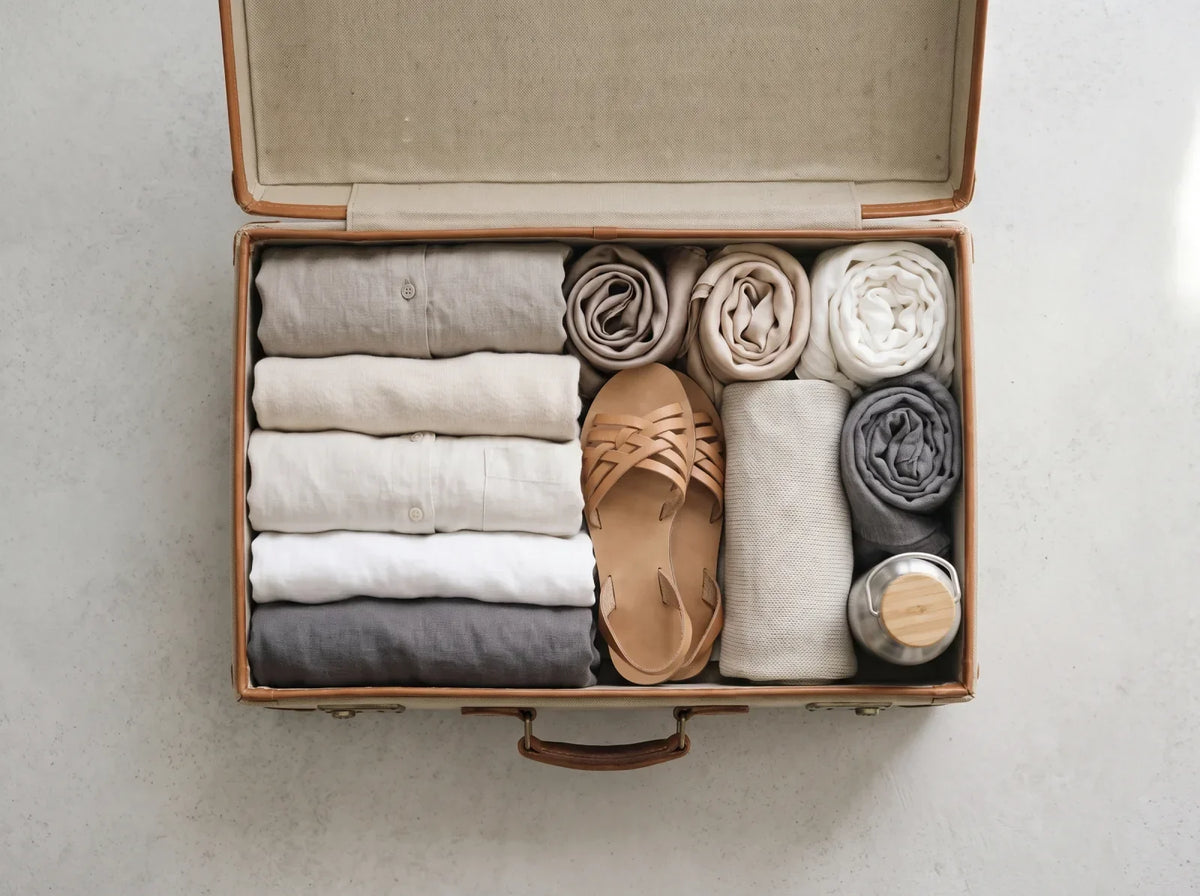
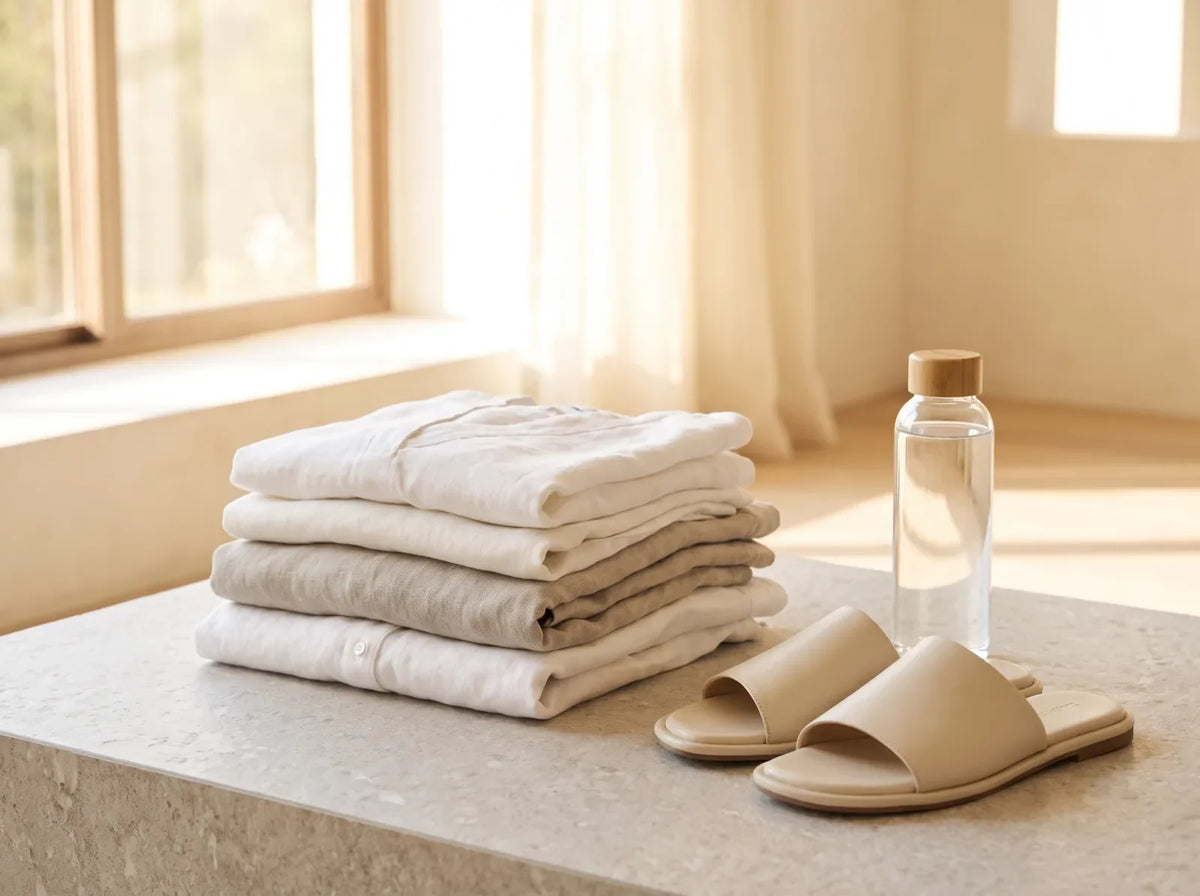
What works: flat, cushioned, broken-in sandals or slip-ons you can take off in one movement. Nothing new. Nothing with laces. Nothing with a hard flat sole, because marble is punishing without cushioning.
Bring a small drawstring bag for carrying them. The shoe racks fill, and shoes left in them are frequently not there afterwards.
Socks matter more than people expect. Marble is cold early in the morning and burning hot by midday in the open areas.
What Most Lists Leave Out
- Unscented toiletries. Fragrance is avoided in ihram. Buy unscented soap, shampoo and deodorant before you go rather than discovering this at the airport.
- A small cross-body bag that closes properly and sits in front of you. Large handbags are impractical in a crowd.
- A refillable water bottle. Zamzam is available everywhere and you will drink far more than usual.
- Blister plasters. Bring them. You will need them or you will meet someone who does.
- A light layer for the hotel and the mosque, which are heavily air conditioned even when it is hot outside.
- Laundry soap in a small container for rinsing in the room.
- A power bank. You will use your phone for prayer times, translation and finding your group.
Documents and Practical Items
Keep your passport, visa documentation and hotel details both printed and on your phone. Signal inside the Haram can be unreliable with that many people in one place, and a printed hotel card in Arabic is genuinely useful for taxis.
Carry a card with your group leader's number and your hotel name. Getting separated is common and the crowd is enormous.
A Note on Ihram for Women
There is no specific garment required for women in ihram. You wear ordinary modest clothing. The face and hands are generally left uncovered, though practice varies and you should follow the guidance you have been given.
The practical implication is that your Umrah abaya does not need to be a special purchase. It needs to be comfortable, modest and washable. That is the entire requirement.
The Short Version
Three abayas, five hijabs, several caps, one khimar, one pair of broken-in cushioned flat shoes, unscented toiletries, a small secure bag, and more pins than you think. Everything else is adjustable once you are there.
Fajr Noor ships worldwide from Australia, with free shipping over $150 and 30 days to return, so order with enough time to try things before you travel.
Frequently Asked Questions
How many abayas do I need for Umrah?
Three for a week to ten days. One worn, one ready, one washing. Hotel laundry is slow and expensive in peak periods, so plan on rinsing in the room.
Does my Umrah abaya have to be black?
No. Black is traditional and most common, but lighter colours are entirely acceptable and noticeably cooler in direct sun. Many women take a mix.
What shoes should I wear for Umrah?
Flat, cushioned, broken-in slip-ons you can remove in one movement. You will walk kilometres on hard marble and take your shoes off constantly. Never bring new shoes.
What do women wear for ihram?
There is no specific garment. Ordinary modest clothing is worn, with the face and hands generally left uncovered. Follow the guidance you have been given by your group.
Can I wear perfume during Umrah?
Fragrance is avoided in ihram, which includes scented toiletries. Buy unscented soap, shampoo and deodorant before you travel rather than trying to find them there.
What is the one thing most women forget?
A khimar. Pull-on full coverage with no pinning is ideal for long prayers and for a crowd where you cannot always raise your arms to fix a scarf.

Leave a comment
All comments are moderated before being published.
This site is protected by hCaptcha and the hCaptcha Privacy Policy and Terms of Service apply.