
Everyone Asks Whether Modest Fashion Is Getting More Colourful
The honest answer from our data is yes and no. Black is losing share. But what is taking that share is not colour in the way people imagine.
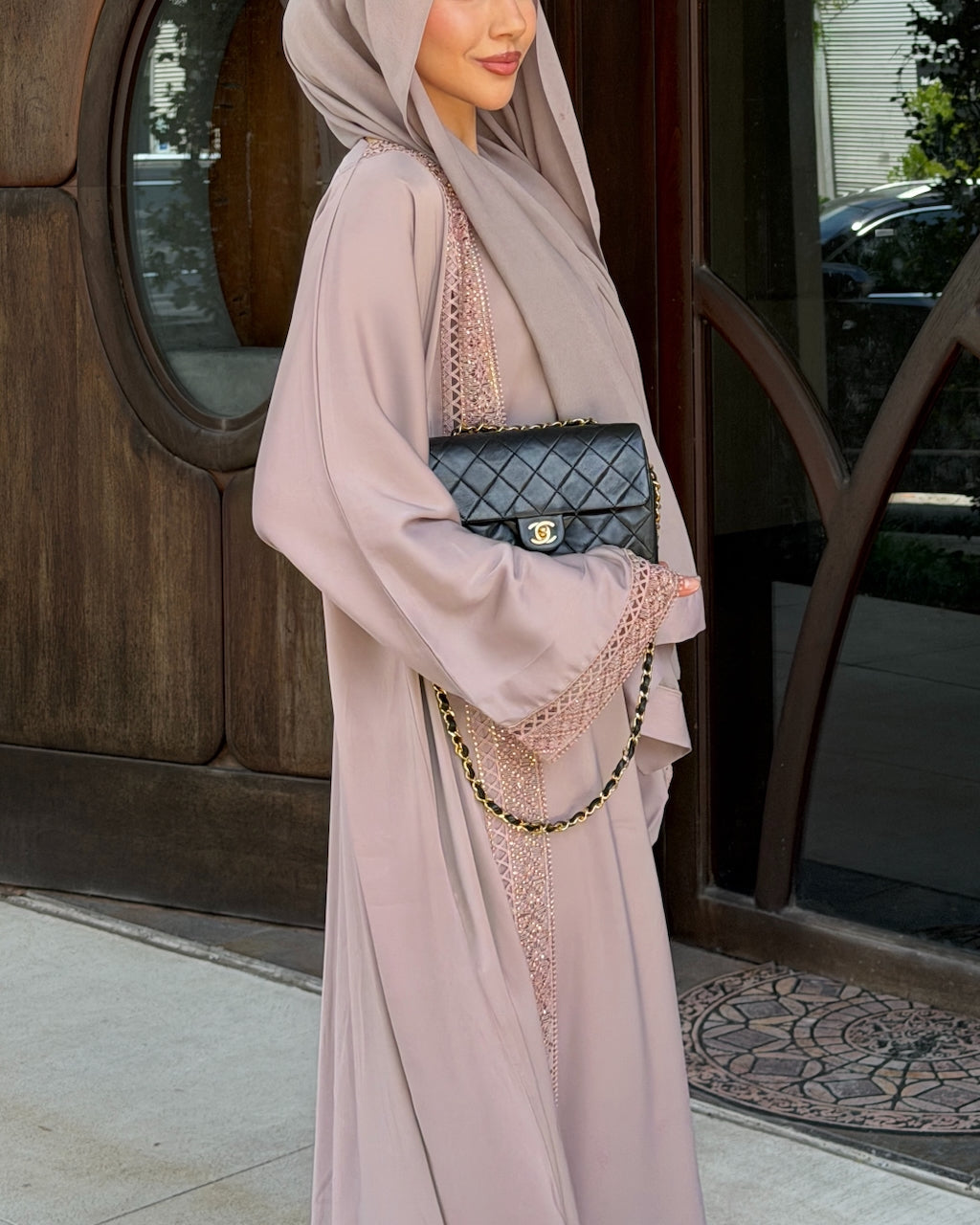
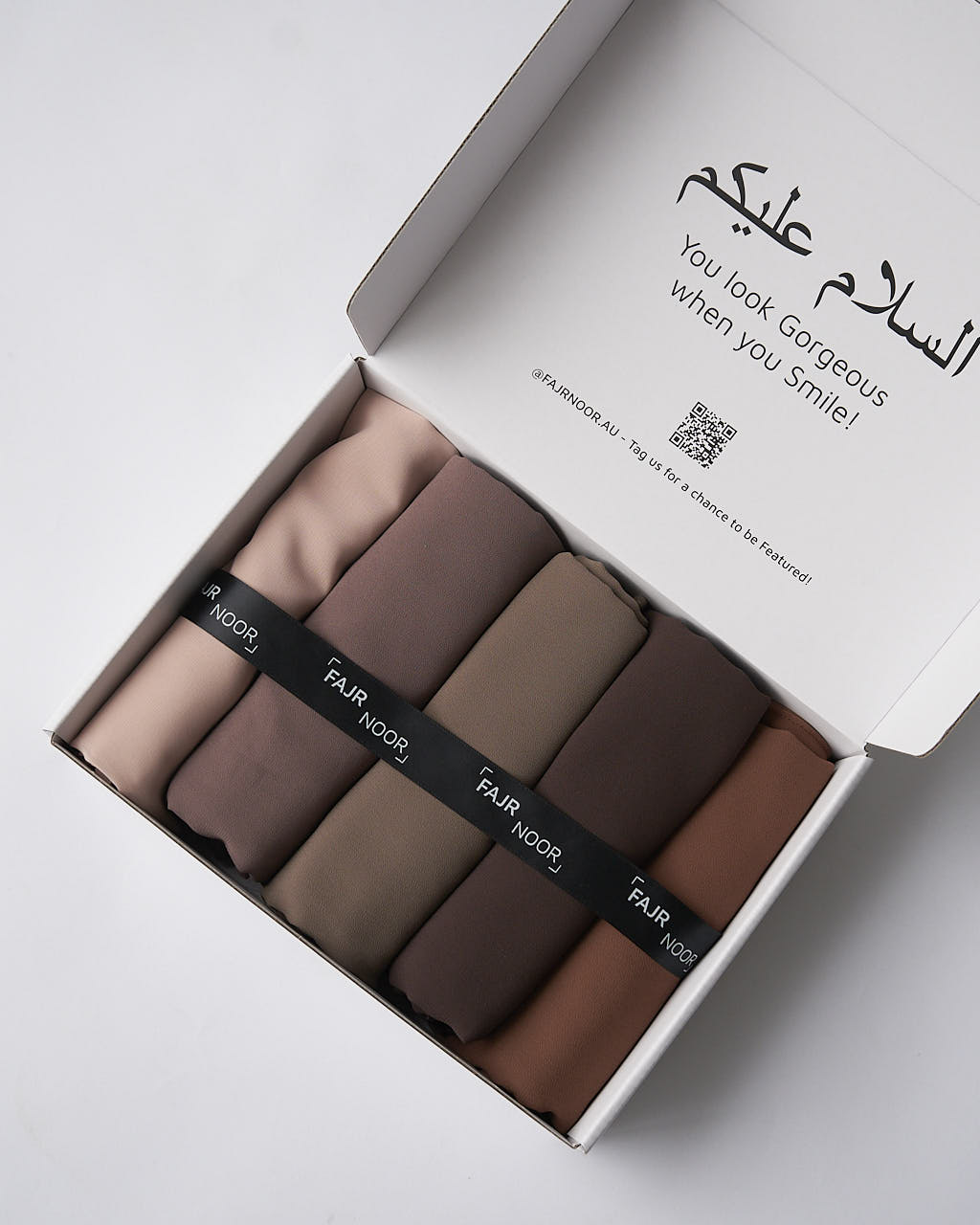
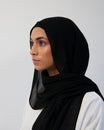
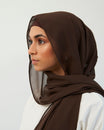
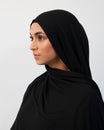
Across 2,723 hijab orders in 29 colourways in the year to September 2026, black accounted for 23.0%. The nine colours immediately behind it were, in order: dark brown, neutral, navy, white, emerald, moss, sage, fossil and coco brown.
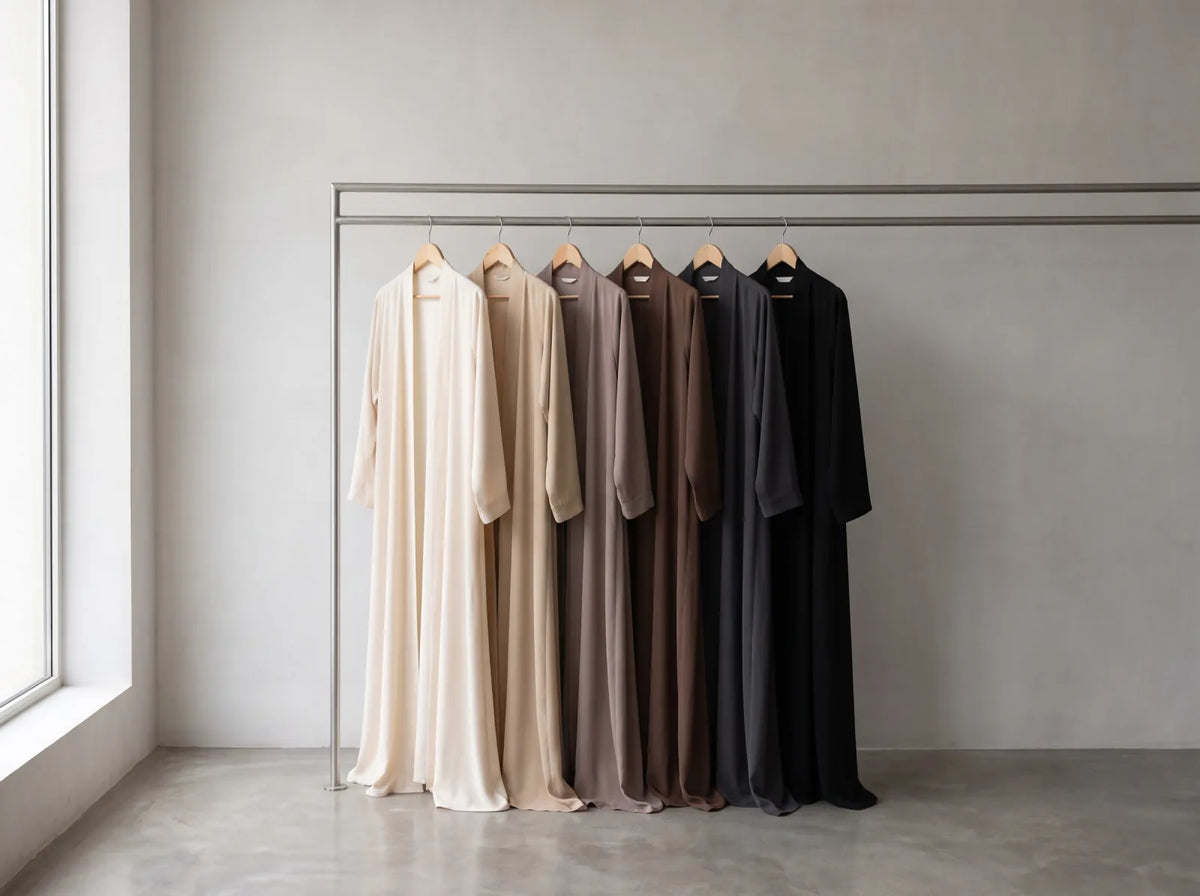
Seven of those nine are earth tones.
The Hijab Colour Ladder
| Colour | Orders | Share |
|---|---|---|
| Black | 627 | 23.0% |
| Dark Brown | 235 | 8.6% |
| Neutral | 170 | 6.2% |
| Navy | 165 | 6.1% |
| White | 146 | 5.4% |
| Emerald | 120 | 4.4% |
| Moss | 116 | 4.3% |
| Sage | 99 | 3.6% |
| Fossil | 89 | 3.3% |
| Coco Brown | 87 | 3.2% |
| Majestic Grey | 86 | 3.2% |
| Nude | 83 | 3.0% |
| Olive | 82 | 3.0% |
| Maroon | 79 | 2.9% |
Group the Colours and the Picture Sharpens
Sorted into families rather than individual shades, the palette becomes obvious.
- Black and charcoal: roughly a quarter of orders.
- Browns, from dark brown through coco to mocha and chestnut: the largest group after black.
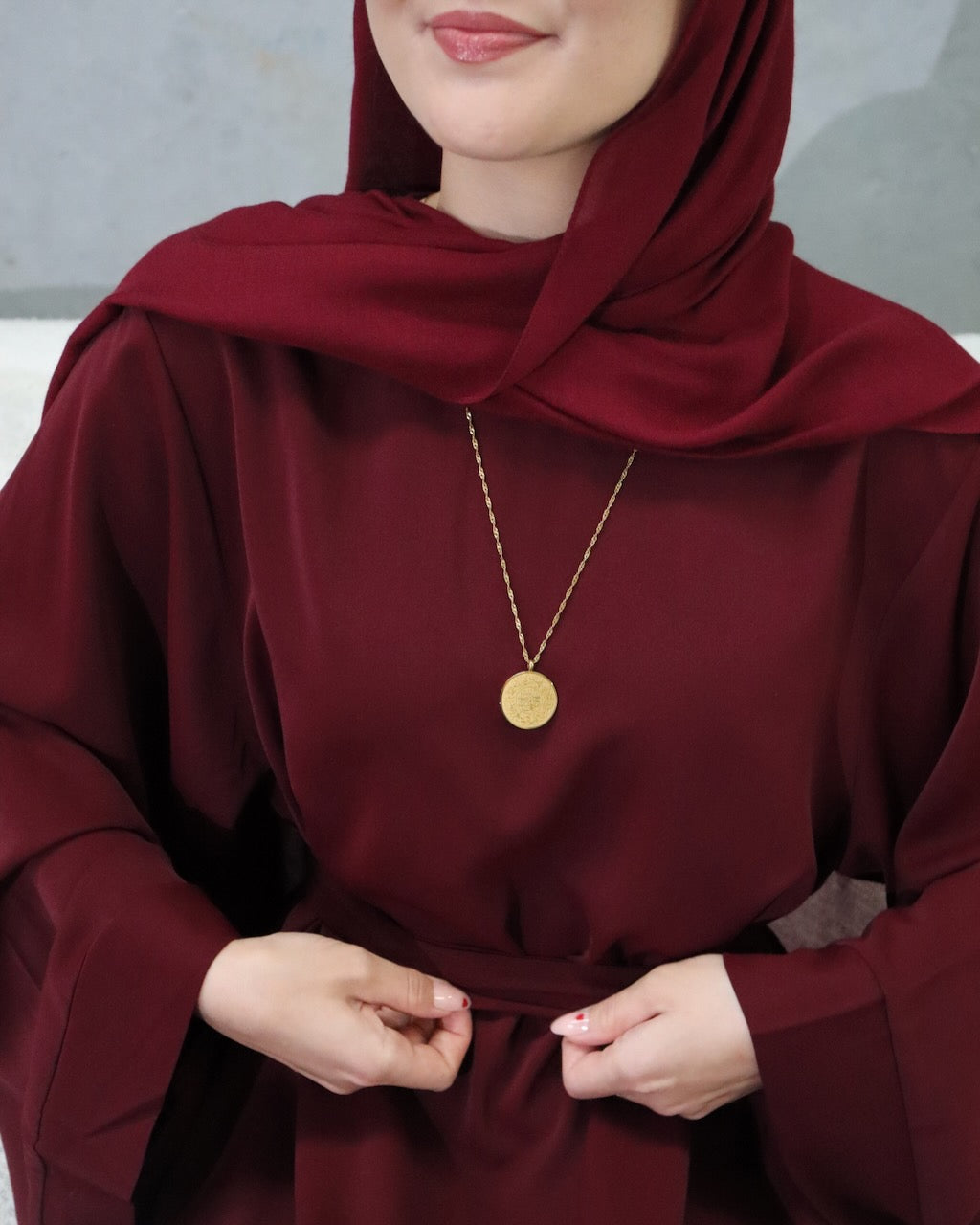
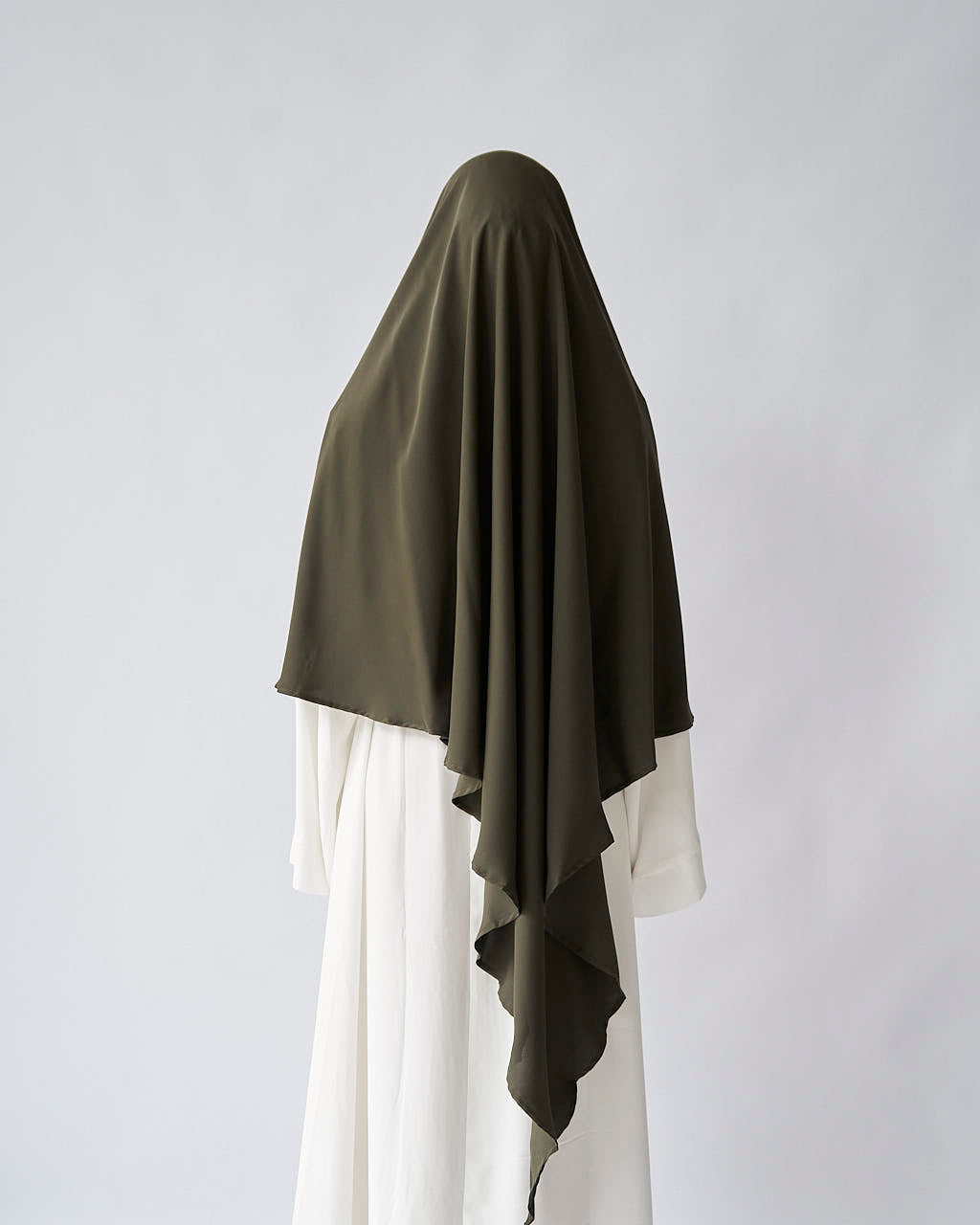
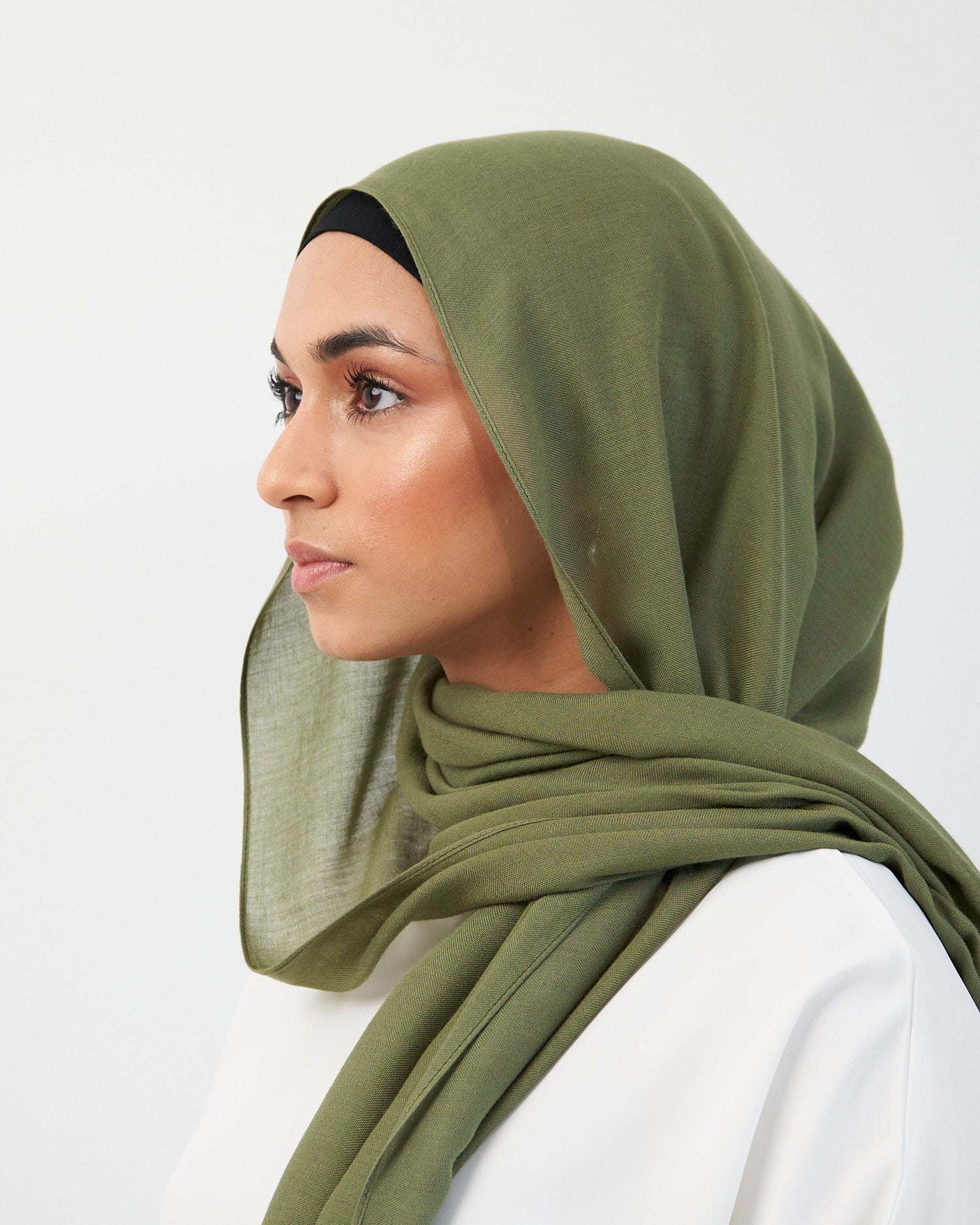
- Greens, from moss through sage and olive to forest and emerald: the fastest-moving family in the range.
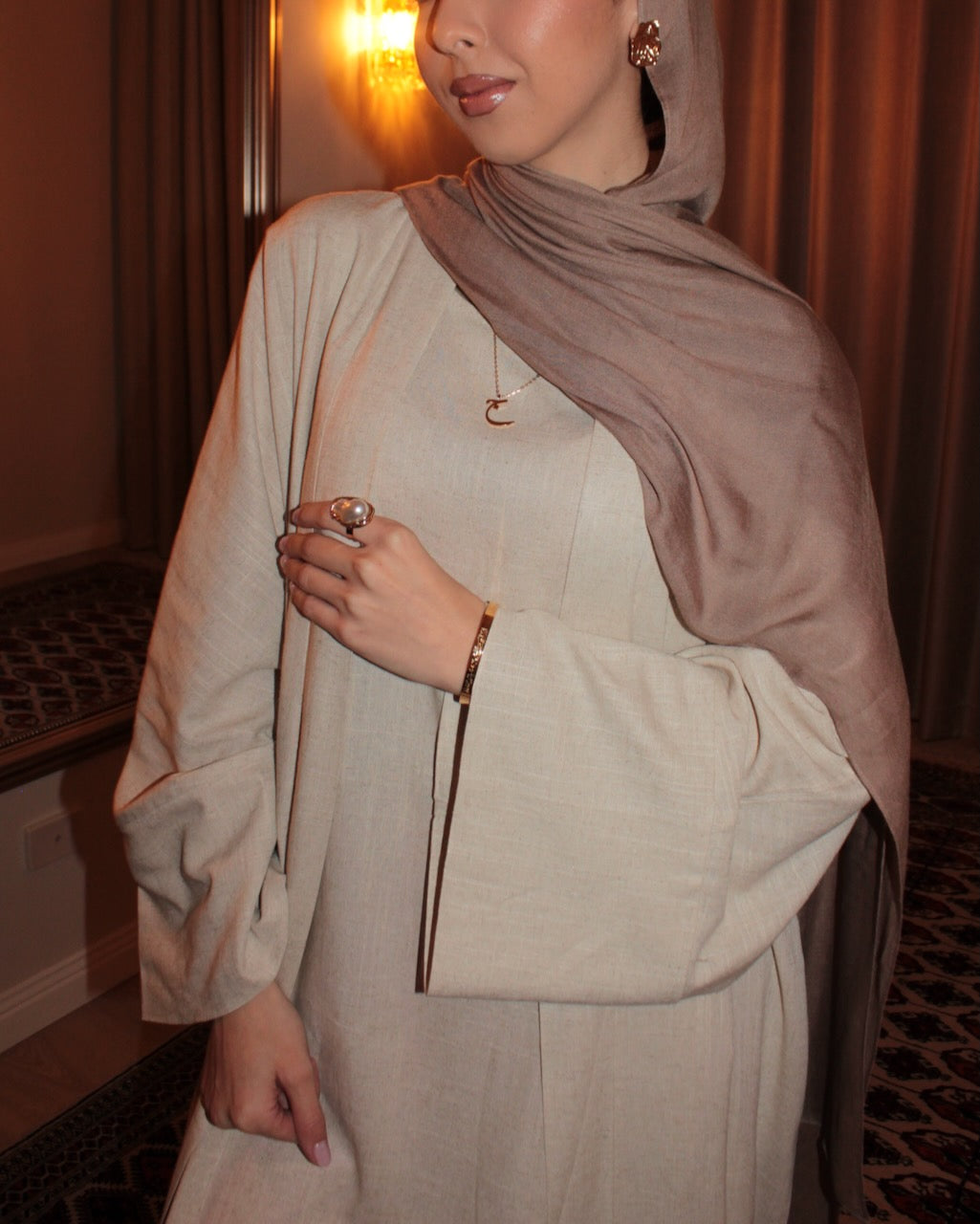
- Neutrals, stone, fossil, dove, nude, cream: consistently strong across every fabric.
- Actual brights: barely present. Plum at 2.1% is the only one that registers.
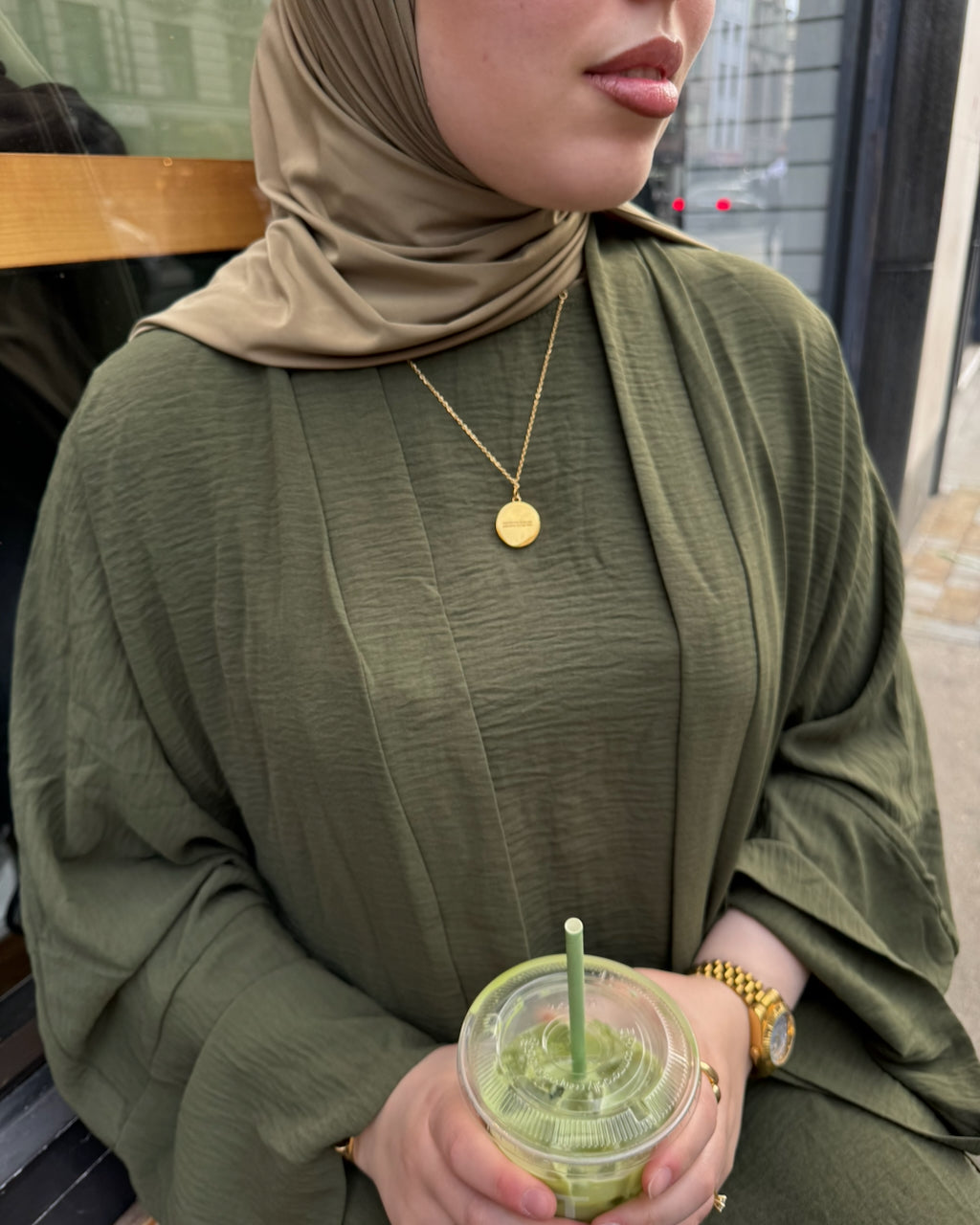
The same pattern shows in abayas. Coffee at 14.1% is the second most popular abaya colour after black, ahead of white. Khaki takes 9.0%, sand 3.3%, cream 3.0% and moss 2.1%.
Green Is the Genuine Movement
If one family has shifted, it is green. Across our hijab range, moss, sage, olive, forest green and emerald together outsell white comfortably. Emerald alone at 4.4% beats every fabric's white option.
Green carries a particular resonance in Islamic tradition, which is part of it. But the shades selling are the muted ones. Moss, sage and olive are quiet, wearable greens that sit alongside brown and stone. Emerald is the one saturated colour that performs, and it performs most strongly in occasion contexts.
Why the Palette Behaves This Way
Three practical reasons, none of them about fashion trends.
Coordination. A hijab has to work with the garment beneath it. Earth tones and neutrals coordinate with almost everything, including each other. A bright scarf coordinates with very little, so it gets worn less and bought less.
Frequency of wear. These are daily garments. A colour you can wear four times a week beats a colour you can wear twice a month, and that shows up directly in order counts.
Australian light. Strong sun washes out pale pastels and makes pure white read harsh. Warm creams, oats and muted tones hold their appearance outdoors in a way that lighter or brighter shades do not. A meaningful share of our customers are dressing for that light.
What This Means If You Are Building a Wardrobe
The data is effectively a shopping list, and it is shorter than most people expect.
- Black, because it is still the single largest colour and it goes with everything.
- One brown, which the data says is the most-worn alternative to black.
- One neutral, stone or cream, which coordinates with both.
- One muted green if you want a colour that still works daily.
Four scarves covering the overwhelming majority of what our customers actually choose. Colour beyond that is preference, and best bought for occasions you actually attend rather than for the wardrobe you imagine.
See the ranges in jersey hijabs, modal hijabs and pashmina hijabs.
Methodology
Figures are from Shopify order data for fajrnoor.com covering 22 September 2025 to 21 September 2026. The hijab analysis covers 2,723 orders across 29 colourways in the Premium Jersey, Premium Modal and Chiffon Set ranges. The abaya comparison covers 4,334 orders across 39 colourways. Share is calculated as a percentage of orders.
Colour naming is ours, so shades grouped as browns or greens reflect our own naming conventions. Colours we do not produce cannot appear, so this measures choice within our range rather than preference in the abstract. This is one Australian retailer's data.
If you would like to cite these figures, please link back to this page.
Frequently Asked Questions
What is the most popular hijab colour?
Black, at 23.0% of 2,723 hijab orders in our data, followed by dark brown at 8.6% and neutral at 6.2%.
Is modest fashion becoming more colourful?
Less black, yes, but the replacement is mostly earth tones rather than bright colour. Browns, greens and neutrals dominate the non-black orders, and genuinely bright shades barely register.
What colours go best with a black abaya?
On our order data, brown, stone and muted green are the most-chosen alternatives. They coordinate with black and with each other, which is why they get worn most often.
Why is green so popular in hijabs?
Green carries particular resonance in Islamic tradition, but the shades that actually sell are the muted ones: moss, sage and olive. Emerald is the only saturated green that performs, mainly for occasions.
How many hijab colours do I actually need?
Four covers most of what our customers choose: black, one brown, one neutral and one muted green. Anything beyond that is preference rather than need.
Can I cite these figures?
Yes. Please attribute them to Fajr Noor and link to this page so readers can see the methodology.

Leave a comment
All comments are moderated before being published.
This site is protected by hCaptcha and the hCaptcha Privacy Policy and Terms of Service apply.