

You Do Not Have to Arrive Knowing Everything
If you are reading about how to revert to Islam, you are probably carrying two feelings at once. Certainty about the direction, and quiet panic about the detail. There is so much to learn. Everyone else seems to already know it.
Here is the most useful thing anyone can tell you at this point: nobody arrives complete. The companions of the Prophet, peace be upon him, learned gradually, over years, and they had him to ask. You are allowed to be a beginner. You are allowed to be a beginner for a long time.
This guide is not a syllabus. It is a gentler shape for a first year, written by an Australian Muslim brand that speaks with reverts every week, usually at the point where they are trying to work out what to wear to the masjid and are too shy to ask.
The Shahada Is the Whole Door
Becoming Muslim is not an exam. It is a declaration. The shahada is the testimony that there is no god but Allah, and that Muhammad is His messenger. Said with sincerity and belief, it makes you Muslim.
You do not need a ceremony, a certificate, or an audience. Many people say it alone. Many say it at a masjid with witnesses, which can be useful later for practical paperwork such as registering a marriage or arranging Hajj, and which some people simply want for the memory of it.
Whatever you choose, the door is the same size. Nothing about a quiet shahada makes you less Muslim than a public one.
The First Month: Three Things, Not Thirty
The temptation is to change everything at once. It rarely holds. Pick three.
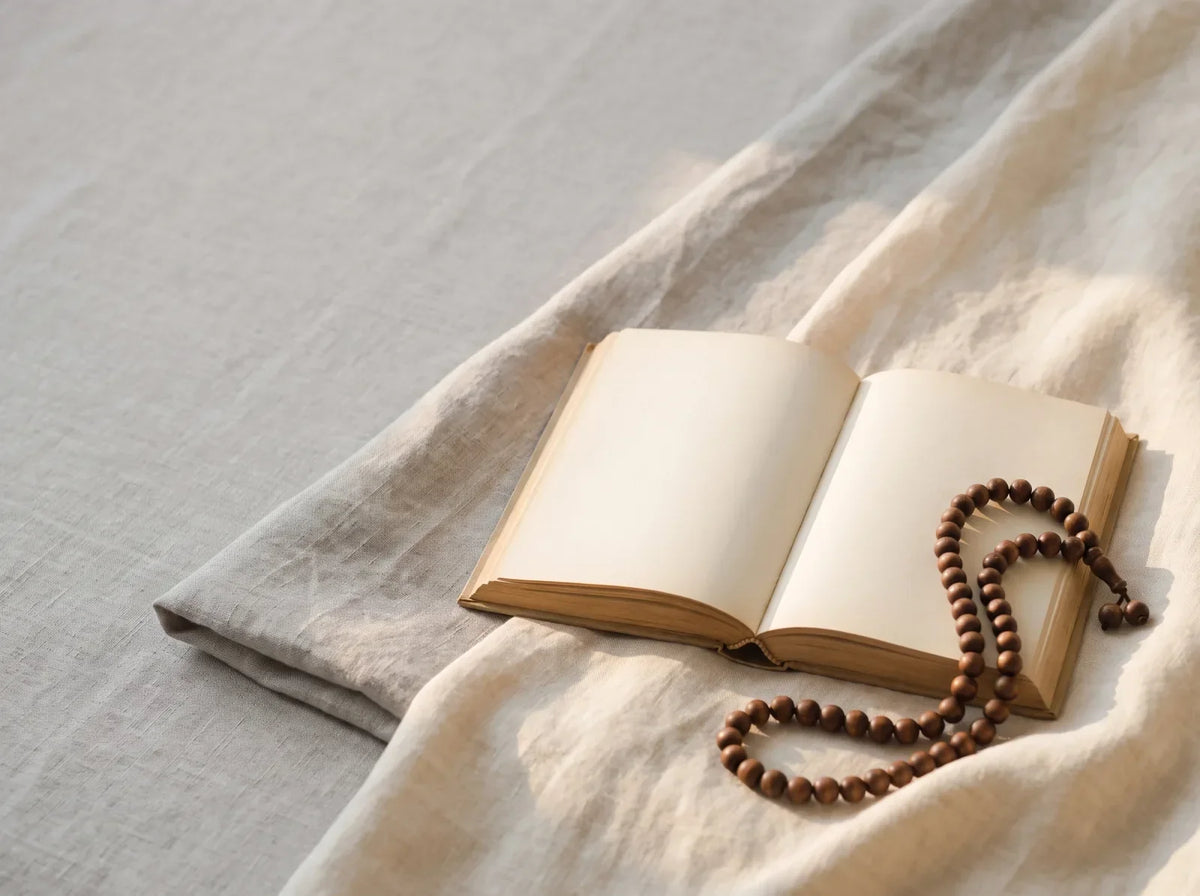
1. Learn the prayer, slowly
Salah is five times a day, and it will feel like a lot at first. Start by learning the movements and one prayer properly rather than attempting all five imperfectly. Many reverts begin with Maghrib because it is short and falls at a manageable time of day. Add the others as each becomes habit.
You will get the order wrong. Everyone does. Allah knows what you are trying to do.
2. Learn Al-Fatihah
It is the opening chapter of the Quran and it is recited in every unit of every prayer. Learn it in Arabic slowly, a line at a time, alongside the meaning in English so the words are not just sounds. This single surah carries an enormous amount of your early practice.
3. Find one person to ask
This matters more than any book. One patient person, ideally at a local masjid or a revert support group, who will answer small questions without making you feel foolish. Most cities in Australia have revert groups, and most masjids will connect you if you ask.
What to Read First
Start with the foundations rather than the debates. In the first year you want books that build belief and practice, not books that argue positions.
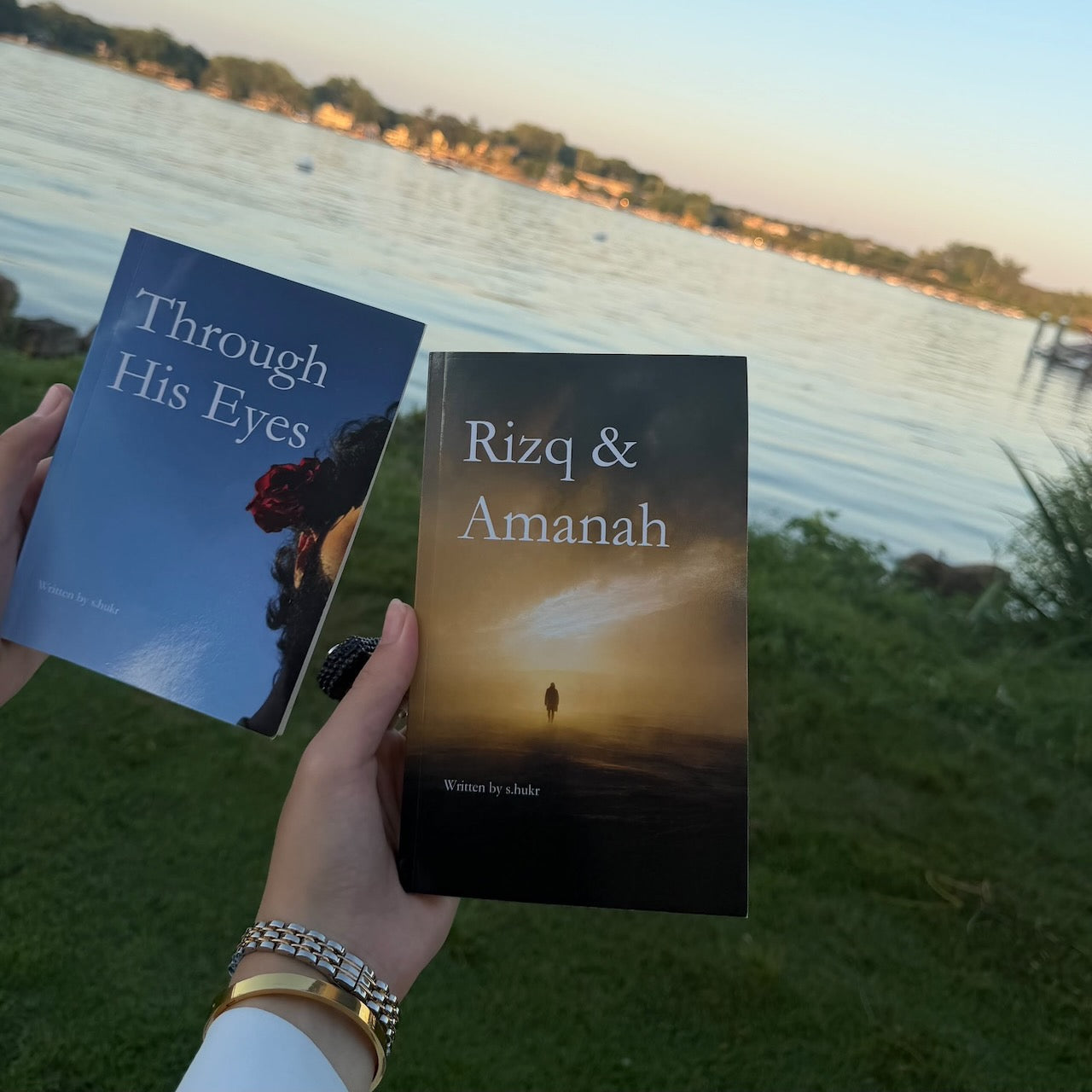
Look for a clear translation of the Quran with commentary, a simple book on how to pray, and something on the life of the Prophet, peace be upon him, because the stories will teach you more about character than any list of rules. Our books for reverts collection was put together for exactly this stage.
Avoid, for now, the internet arguments about differences between schools of thought. They are not urgent, and they will confuse a foundation that is still setting.
Clothing: Start Where You Are
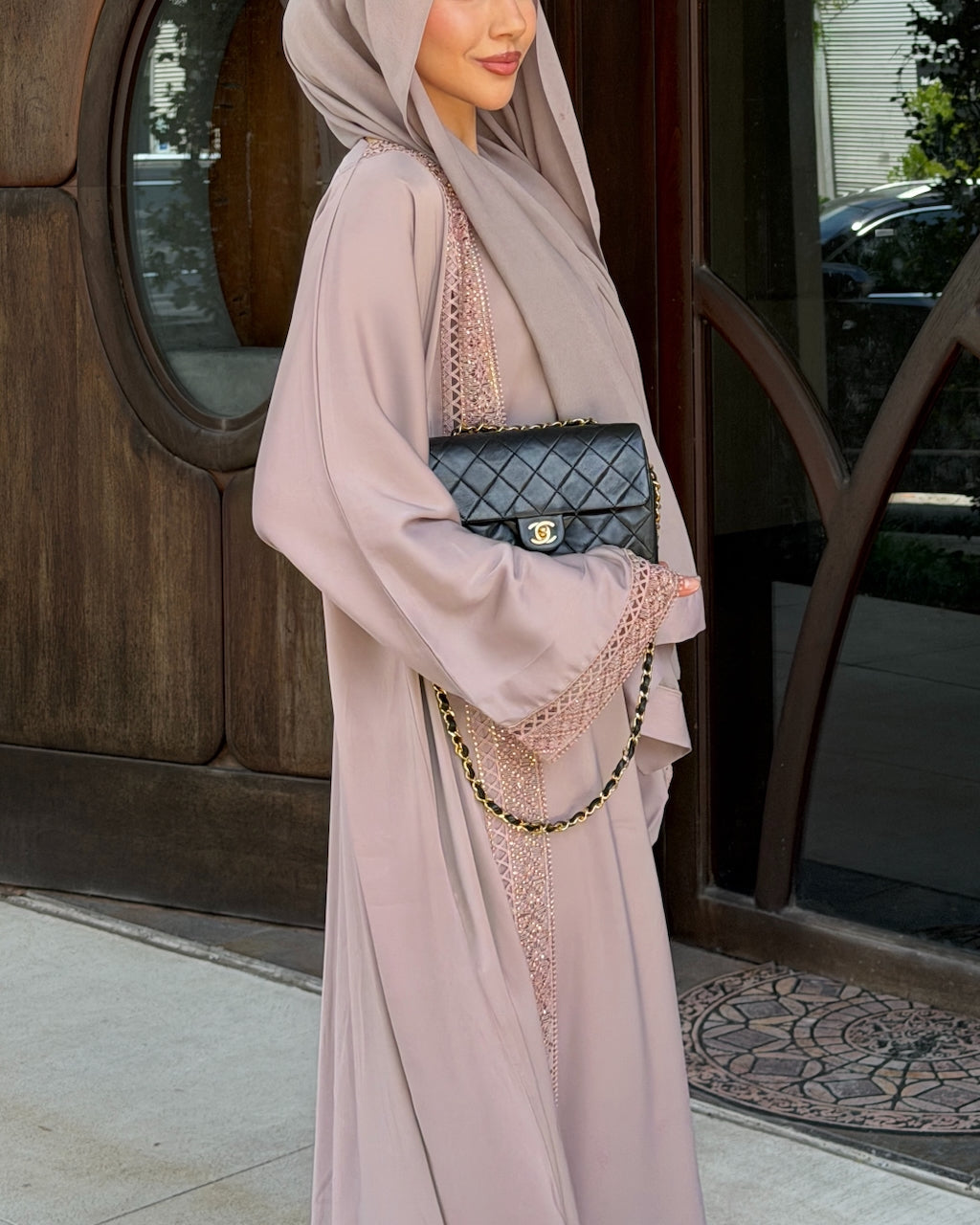
This is where a lot of new Muslim women get stuck, and it is worth saying plainly. You do not have to transform your wardrobe in a week.
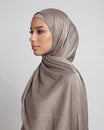
Many reverts begin by wearing hijab only for prayer and at the masjid, then extend it as they feel ready. Others start immediately. Both are real journeys. What matters is that the change is yours rather than performed for someone watching.
If you want a practical starting point, it is smaller than you think:
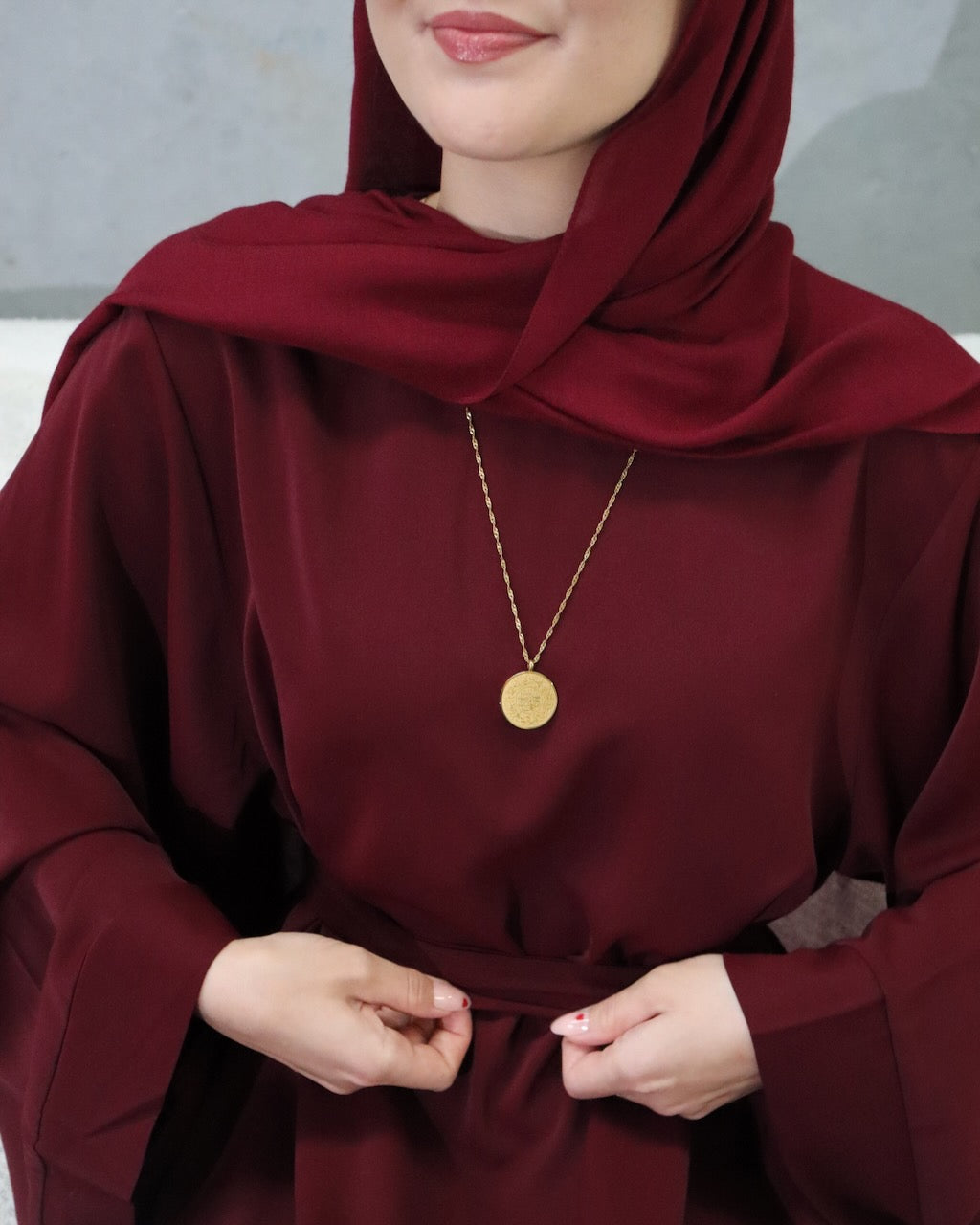
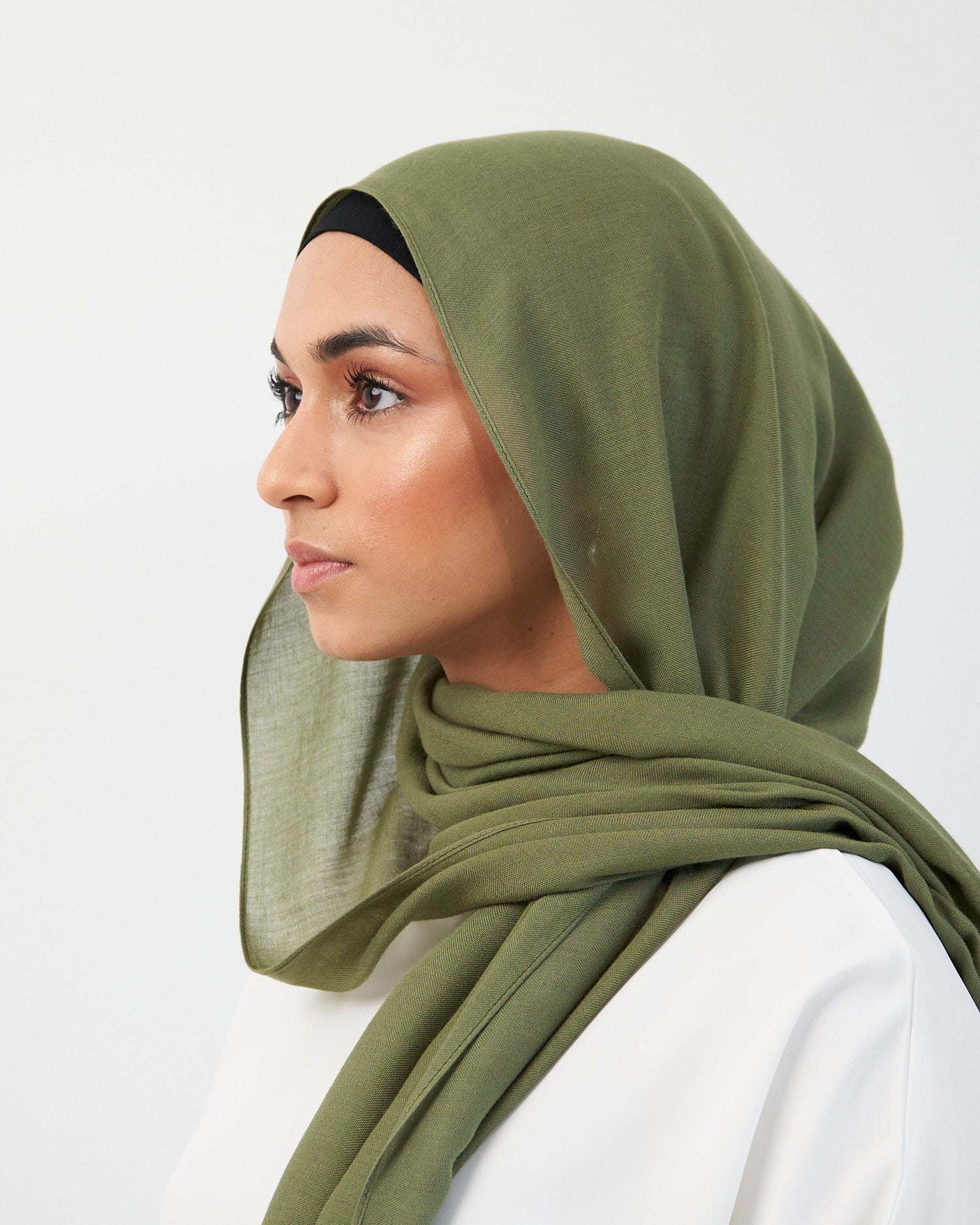
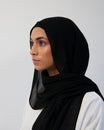
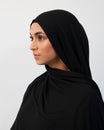
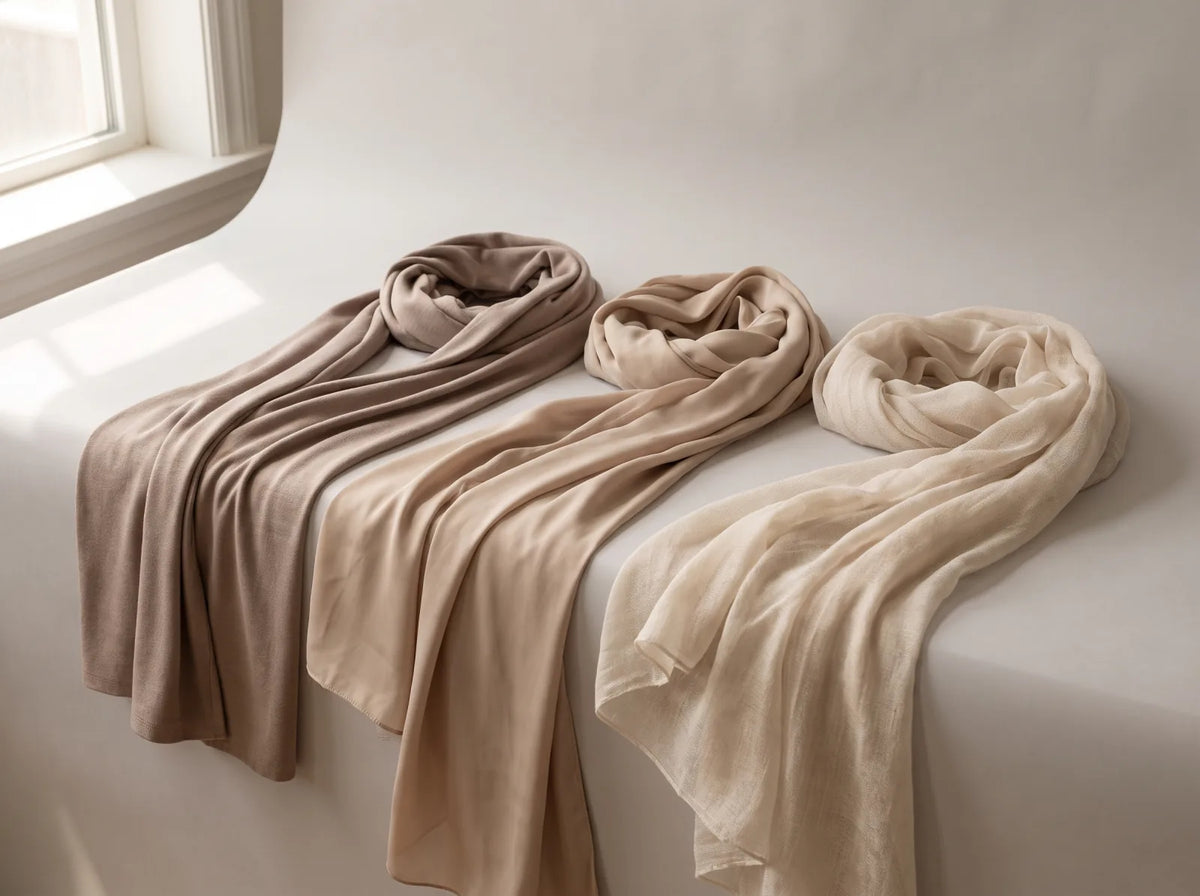
- One jersey hijab in black, because it grips and will not slide while you are still learning to wrap it.
- Two undercaps, which make every scarf sit better.
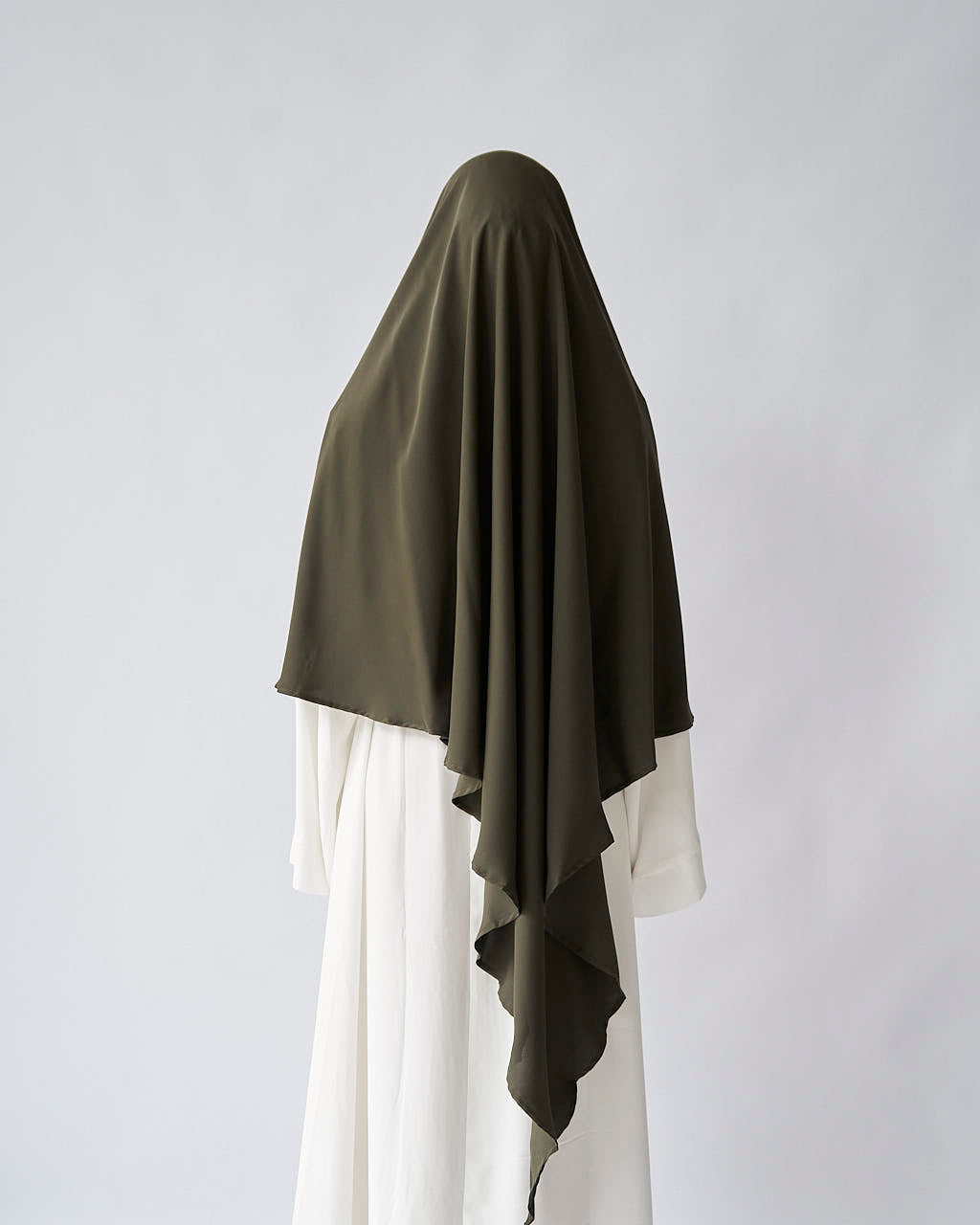
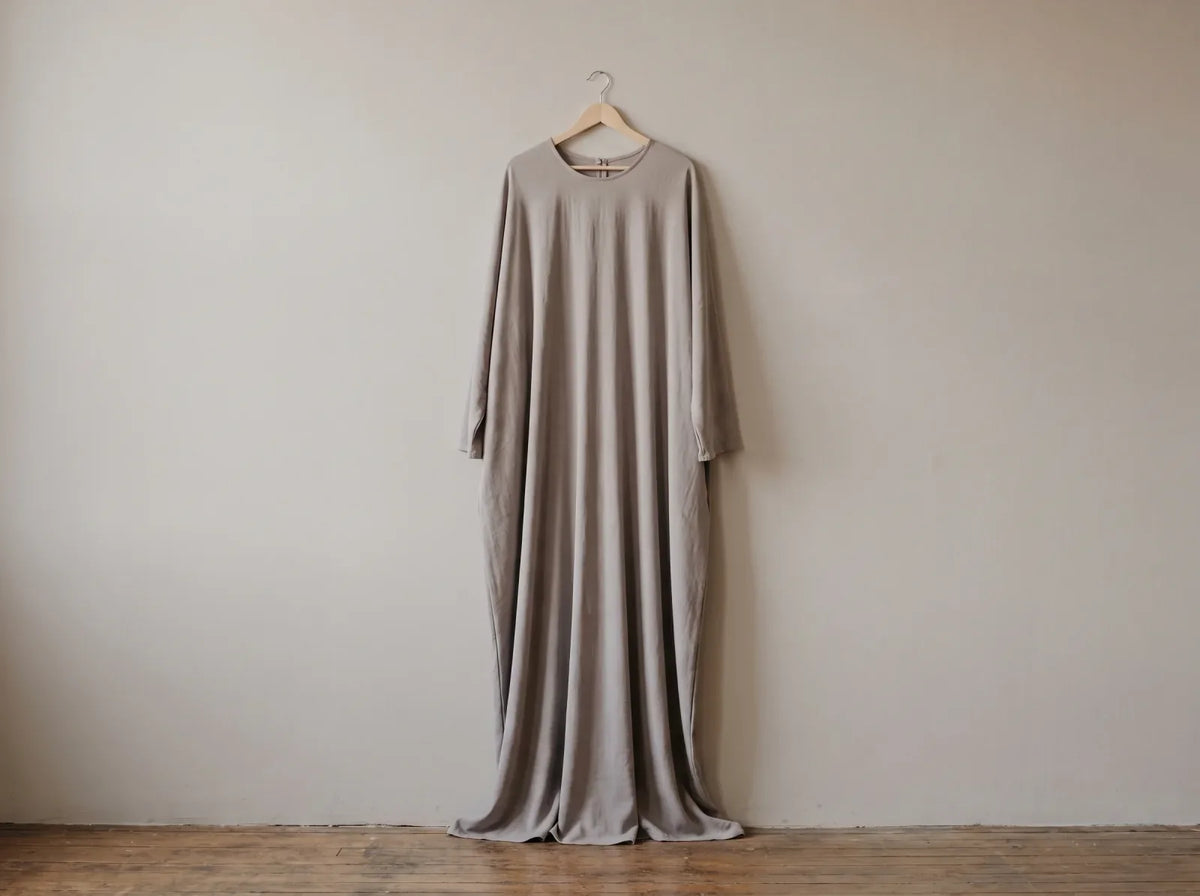
- One loose, long garment for prayer and the masjid. A khimar or prayer jilbab covers in one piece and takes seconds to put on, which removes the anxiety of getting it wrong.
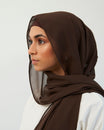
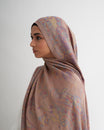
That is genuinely enough to start. Our hijab collection is organised by fabric, and jersey is the easiest place to begin.
Ramadan Will Come Faster Than You Expect
Your first Ramadan is significant, and it is also hard. Fasting from dawn to sunset for a month is a physical adjustment on top of everything else you are learning.
Two pieces of practical advice. Tell the people around you before it starts, particularly at work, so you are not explaining while exhausted. And find an iftar to attend, even one. Breaking fast alone for a whole month is the loneliest version of a month that is supposed to be communal.
On the Hard Parts
Reverting can cost you things. Sometimes family relationships become strained. Sometimes friendships quietly thin out. Sometimes you feel caught between a community you were born into and one you are still learning to belong to.
This is real, and it is common, and it is not a sign that you have made a mistake. Many reverts describe the first year as the hardest and the third as the one where it settles. If it is heavy, say so out loud to someone. Isolation makes everything worse, and the ummah is meant to carry some of this for you.
A Note on Pace
Islam was revealed over twenty-three years. It was not delivered as a single download. Give yourself the same patience the revelation itself was given.
Learn one thing properly, then the next. Pray what you can. Read a little often rather than a lot once. The consistency matters more than the volume, and small steady practice is what lasts.
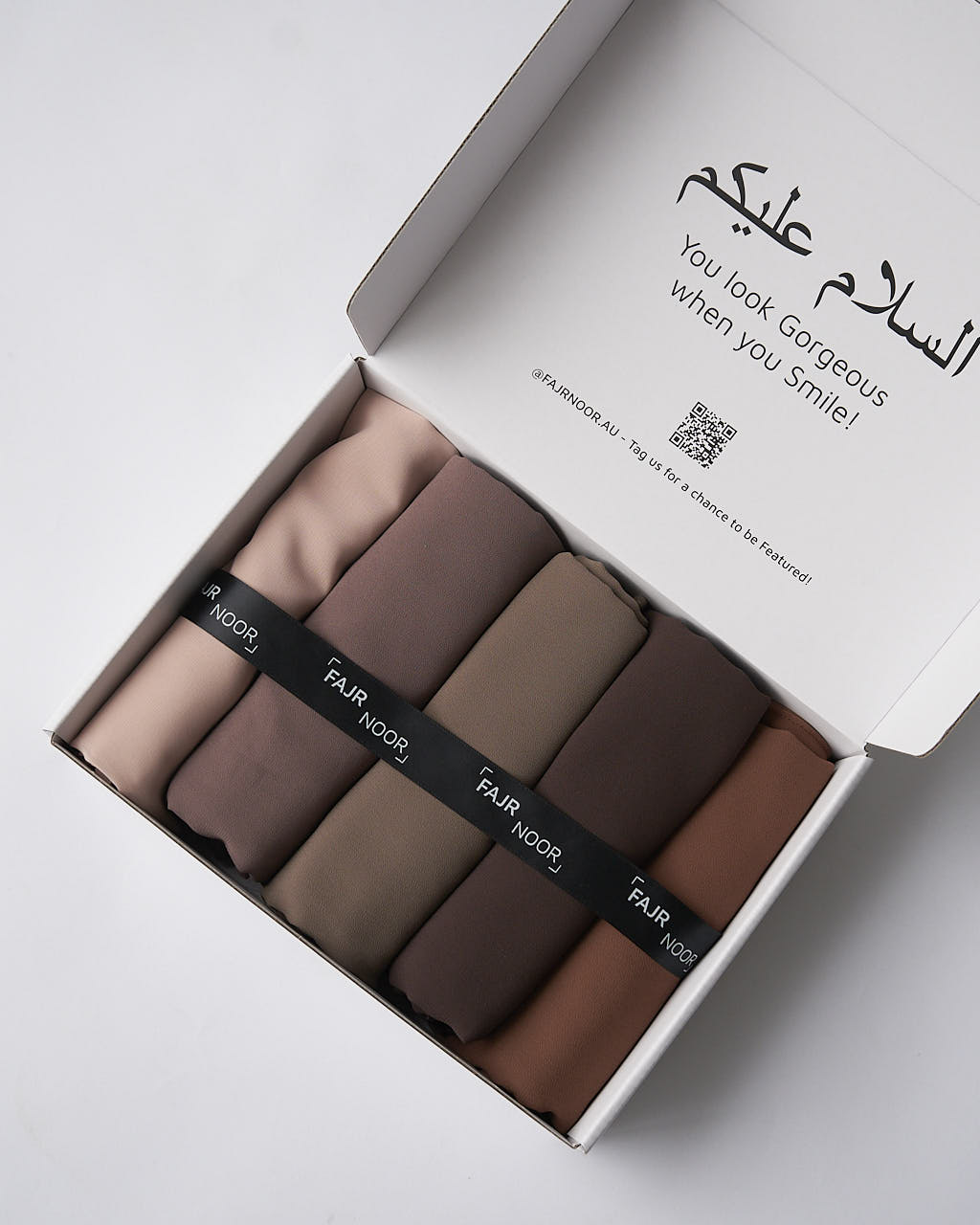
Fajr Noor is an Australian brand serving Muslim women around the world, and a portion of every month goes to Islamic Relief. If the first practical step is clothing, the hijab boxes are a gentle way to begin with a few colours at once.
Frequently Asked Questions
What exactly do I say to become Muslim?
The shahada: the testimony that there is no god but Allah, and that Muhammad is His messenger. Said with sincere belief, it makes you Muslim. Many people say it in Arabic with an English understanding of the meaning alongside.
Do I need witnesses or a certificate?
Not for it to be valid. Some people declare at a masjid with witnesses because a written record is useful later for things like registering a marriage or arranging Hajj, but a shahada said alone is complete.
Do I have to wear hijab straight away?
Many reverts build up to it, beginning with prayer and the masjid and extending from there. Others start immediately. Either way, the change holds better when it is yours rather than something you are doing because you feel watched.
What should I learn first?
How to pray, and Al-Fatihah. Those two carry most of your early practice. Everything else can be added gradually once the prayer is a habit rather than a project.
Is it normal to feel overwhelmed?
Completely. Most reverts describe the first year as the hardest. It gets easier, and it gets easier fastest when you have one patient person you can ask small questions without embarrassment.
What do I wear to the masjid as a new Muslim?
Loose clothing that covers the arms and legs, and a scarf over your hair. A khimar or a prayer jilbab is the simplest option because it covers in one piece and needs no pinning, which removes the worry of getting it wrong in public.

Leave a comment
All comments are moderated before being published.
This site is protected by hCaptcha and the hCaptcha Privacy Policy and Terms of Service apply.