

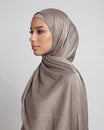

What a Jilbab Actually Is
A jilbab is a loose outer garment worn over clothing to cover the body. The word appears in the Quran, in Surah Al-Ahzab, where believing women are instructed to draw their outer garments over themselves. Across the centuries and across regions, the shape of that garment has varied considerably, which is why the word means slightly different things in different countries.
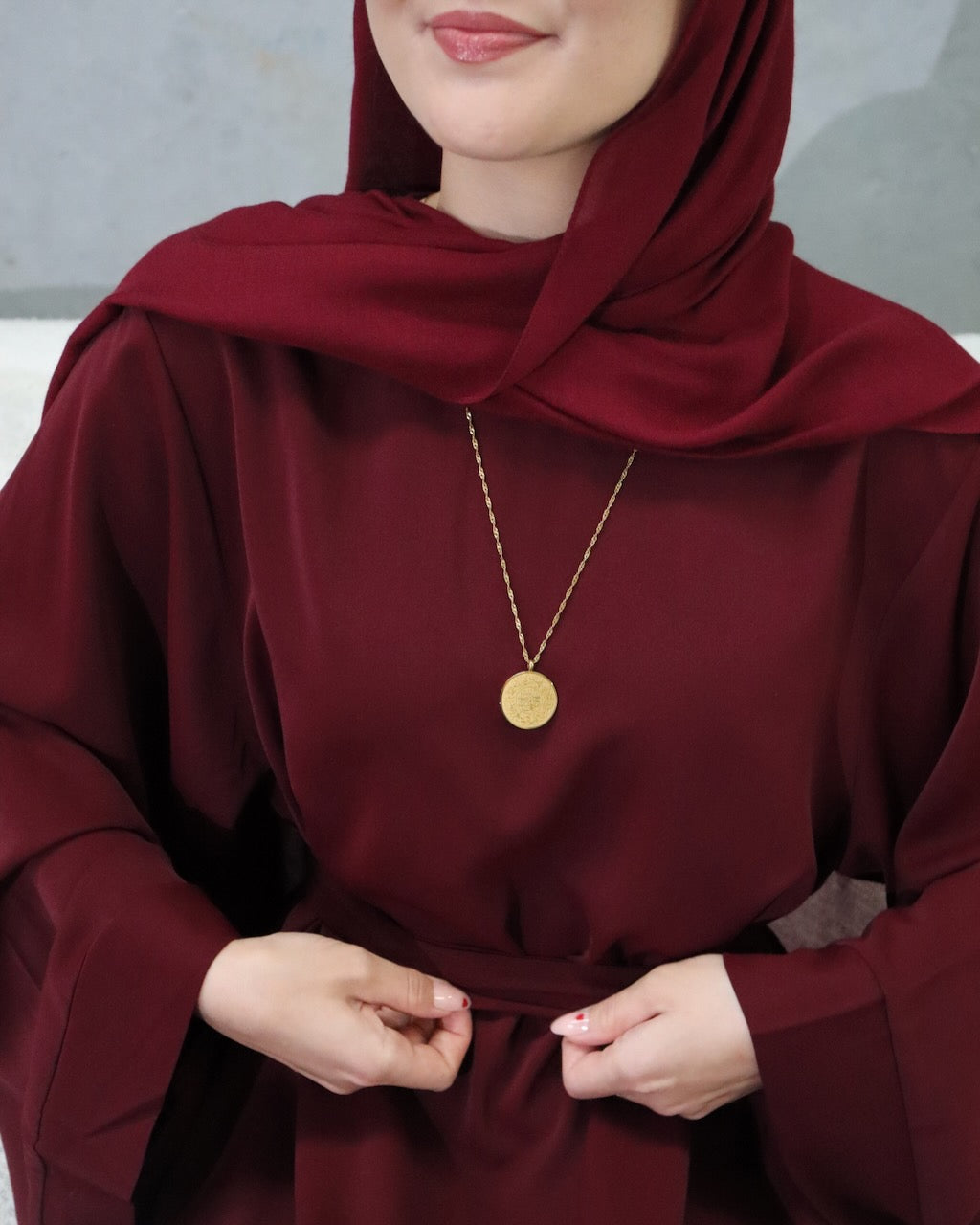
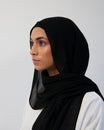
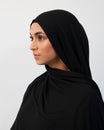
In Australia and much of the English-speaking world today, jilbab most commonly refers to a one or two-piece prayer garment: a long, loose covering pulled on over whatever you are already wearing, usually including a headpiece, designed so that you are fully covered in seconds.
That practical definition is the one most women mean when they search for it, and it is what our prayer jilbabs are.
Jilbab, Abaya, Khimar: The Difference
These three get used interchangeably and they are not the same thing.
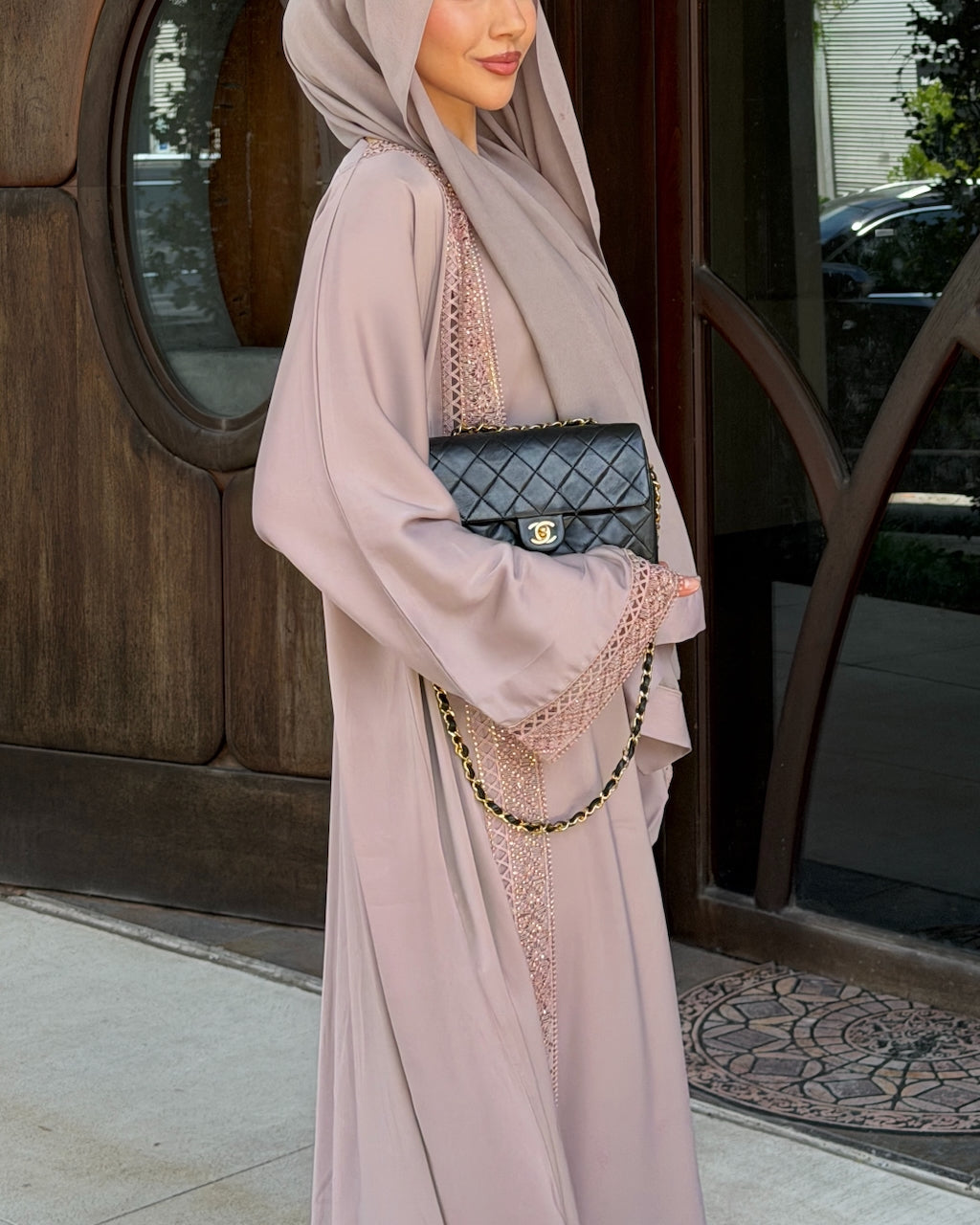
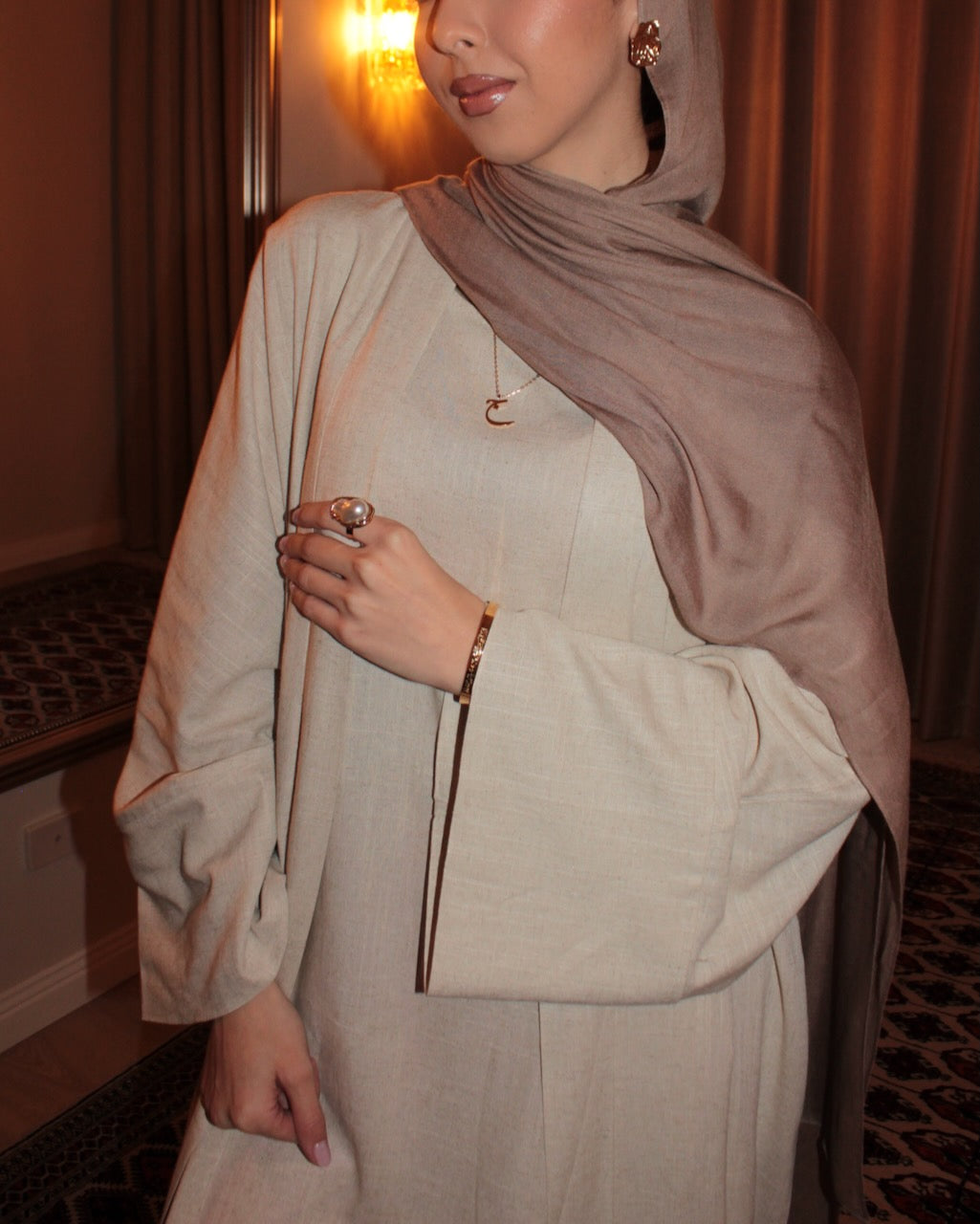
- Abaya. A long outer garment for going out, worn over your clothes. It is outerwear, and it is styled. Open or closed, plain or detailed, it is what you wear to the shops or to a gathering.
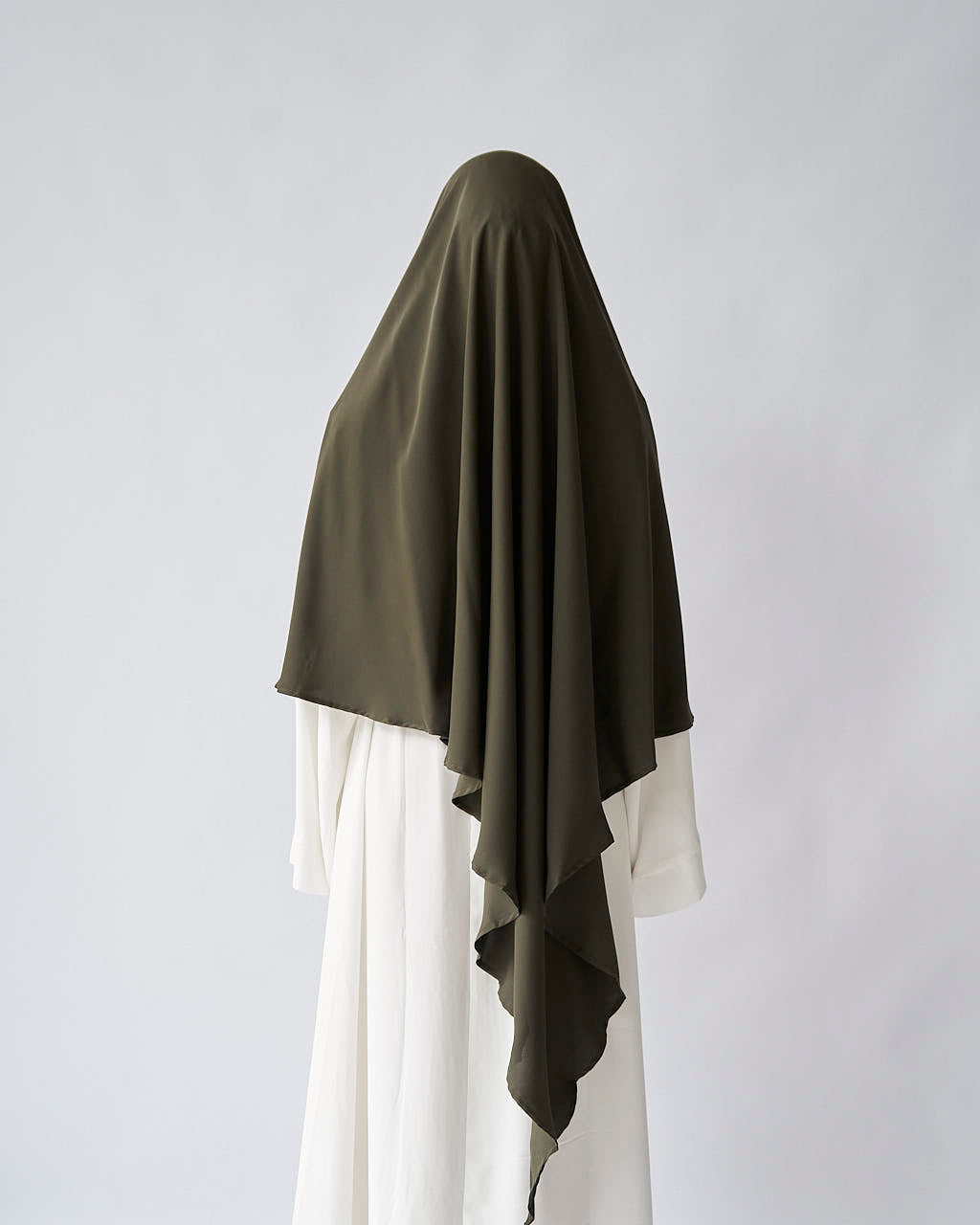
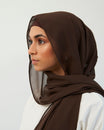
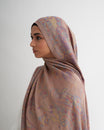
- Khimar. A head covering that extends down over the chest, usually pulled on in one piece. It covers the head and torso but is worn with something else on the lower half.
- Jilbab. In its common modern use, full-body coverage in one or two pieces, designed for prayer and for quick complete covering rather than for styling.
The simplest way to hold the distinction: an abaya is for being seen in, a jilbab is for being covered in. Both are modest. They are solving different problems.
Why Most Women End Up Owning One
The prayer jilbab is one of those items that sounds optional and then becomes the most used thing you own. The reason is time.
Salah arrives five times a day, often when you are mid-task, sometimes in a place that is not your home. A jilbab removes every decision. You pull it on over what you are already wearing, you are covered, you pray. No pinning, no checking whether the sleeve rides up in sujood, no wondering whether the fabric is thin where it matters.
It is particularly worth owning if any of these describe you:
- You pray at work, at uni, or anywhere that is not your own bedroom.
- You are new to Islam and still building confidence about coverage.
- You have small children and cannot spend four minutes arranging fabric.
- You travel, and want one thing in the bag that solves prayer entirely.
One-Piece or Two-Piece
One-piece garments are a single pull-on covering. They are the fastest, they have no gaps to manage, and they are the better choice for travel and for anyone who wants zero decisions. The trade-off is that the fit is more generous and less adjustable.
Two-piece sets separate the headpiece from the skirt. They adjust better to your height, they pack flatter, and the pieces can be worn separately, which gives the set more range. They take a few seconds longer to put on.
If it is your first, a one-piece is the easier introduction.
What to Look For
Three things separate a jilbab you wear daily from one that stays in the cupboard.
Opacity. This is the one that matters most and the one that is hardest to judge online. A prayer garment has to be genuinely not see-through, in daylight, over lighter clothing. If you are unsure, choose a darker or mid tone for your first one.
Room to move. Salah is not a static activity. You need enough fabric to go into ruku and sujood without the garment pulling tight across your back or riding up at the ankle. Loose is the point, not a compromise.
Weight. Heavier fabric hangs better and is more opaque, but in an Australian summer a heavy prayer garment over your clothes gets warm quickly. Lighter is more comfortable if the opacity holds.
Getting the Length Right
Prayer garments are usually sold by length in centimetres rather than by dress size, which confuses people used to buying S, M and L.
Measure from the top of your shoulder to the floor while wearing the shoes you would normally have on. Then choose a length that reaches your feet without pooling. Too long is a genuine trip hazard when you are standing up from sujood, and too short exposes the ankle in exactly the position where you want coverage.
Caring For It
A prayer garment is worn more often than almost anything else you own, and it gets laundered constantly. Wash cool, hang to dry in shade rather than direct Australian sun, and iron on low if it needs it. Keep it folded somewhere you will actually reach for it. A jilbab in a cupboard in another room is a jilbab you will not use.
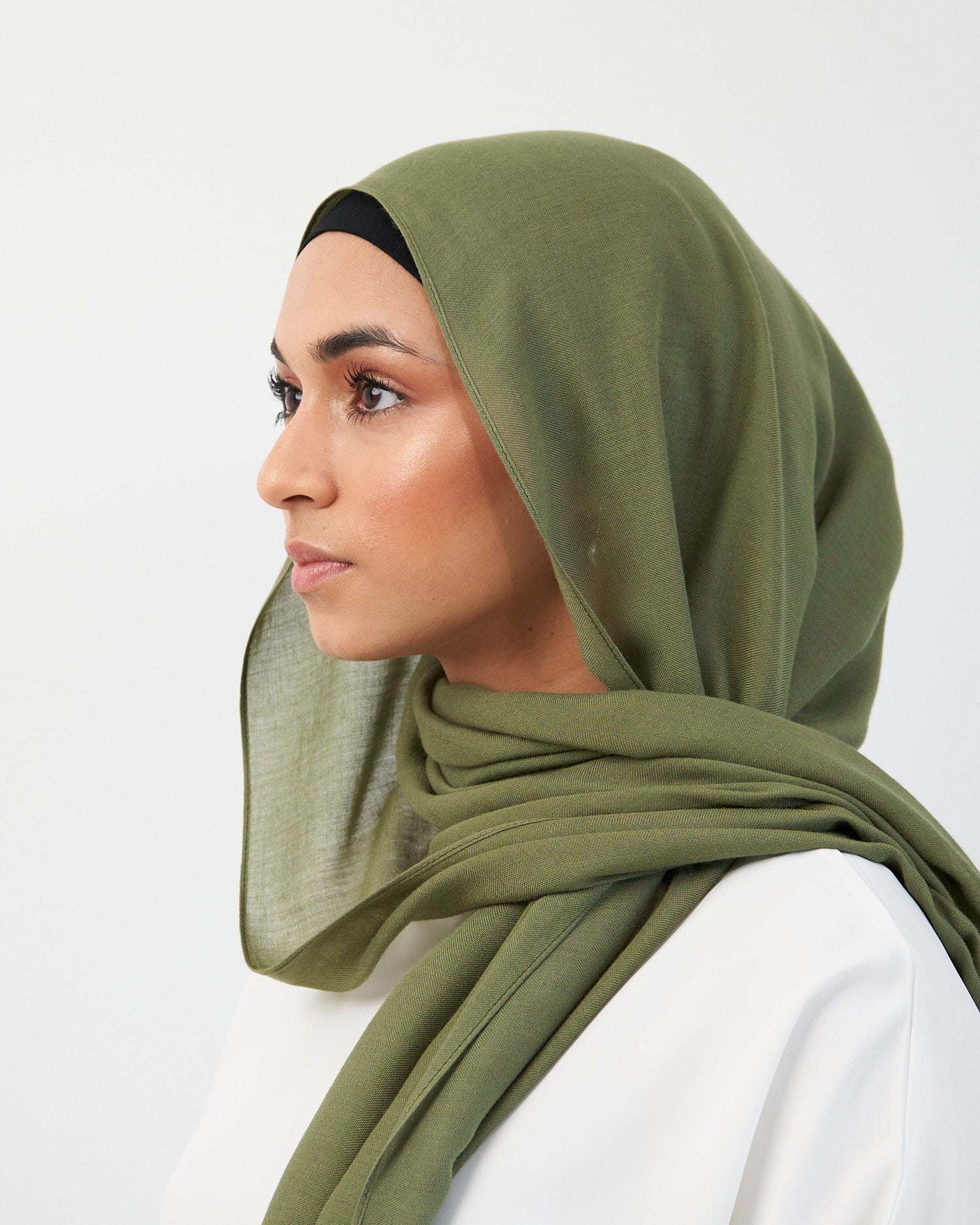
If you want fuller coverage across the head and chest with your existing clothing rather than a full-body garment, the khimars solve that instead.
Frequently Asked Questions
What is the difference between a jilbab and an abaya?
An abaya is outerwear worn over your clothes for going out, and it is styled. A jilbab, in its common modern use, is a loose one or two-piece garment for full coverage and prayer, designed for speed rather than styling.
Is a jilbab the same as a khimar?
No. A khimar covers the head and extends over the chest but is worn with separate lower clothing. A jilbab covers the whole body, usually including a headpiece, in one or two pieces.
Do I need a jilbab to pray?
Not strictly. You can pray in any clothing that meets the requirements of coverage and is not see-through. A prayer jilbab simply makes it fast and removes the need to check, which is why so many women keep one.
One-piece or two-piece, which should I buy first?
One-piece. It is faster, it has no gaps to manage, and it is the easier introduction. Two-piece sets are worth adding later for better fit and easier packing.
How do I choose the right length?
Measure from the top of your shoulder to the floor in the shoes you would normally wear. Choose a length that reaches your feet without pooling on the ground, because excess fabric is a trip hazard when rising from sujood.
Can I wear a jilbab outside the house?
Yes, and many women do, particularly to the masjid. It is designed for coverage rather than styling, so most women choose an abaya for social occasions and keep the jilbab for prayer, travel and the masjid.

Leave a comment
All comments are moderated before being published.
This site is protected by hCaptcha and the hCaptcha Privacy Policy and Terms of Service apply.