




Is Bitcoin halal? Yes. Bitcoin is halal. It is honest money that no one can print. It has no interest built into it. Like gold, it can be used in a good way or a bad way. The person using it decides that. The real problem is not Bitcoin. The real problem is fiat money, the money in your bank account today.
At Fajr Noor, we have looked at this question closely. We have listened to Muslim bankers, Bitcoin builders and scholars. We have made our choice. We believe Bitcoin is halal, and we now accept it at checkout.
This post explains why, in simple words.
What Is Money Supposed to Do?
Money has one big job. It should keep its value.
If you work hard today and save $100, that $100 should still buy the same things next year. If it does not, someone has taken part of your work from you.
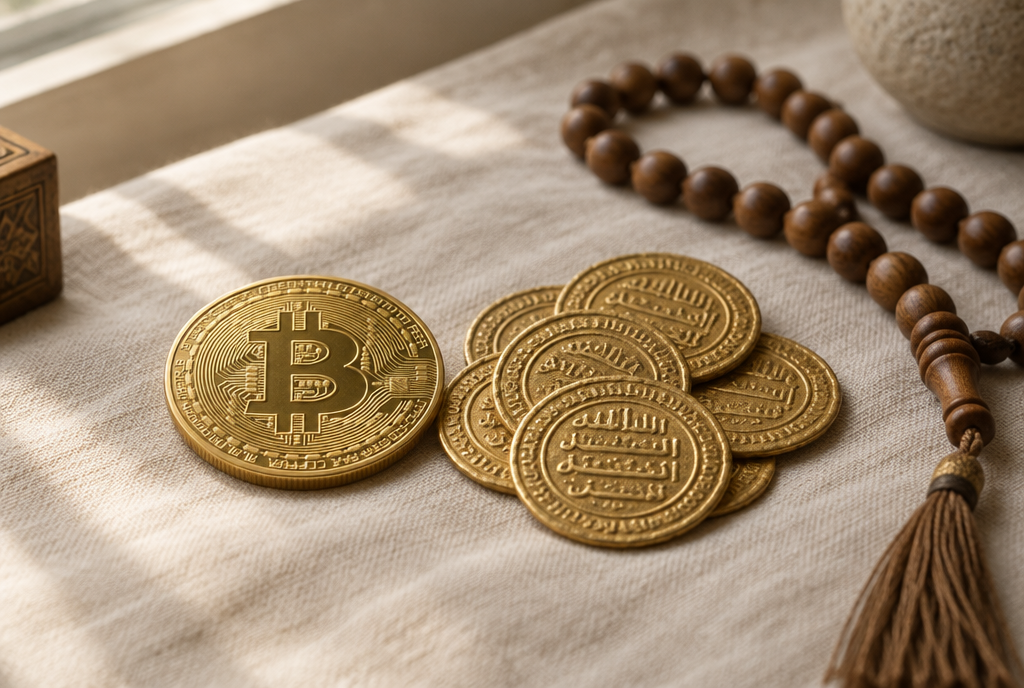
For hundreds of years, Muslims used gold dinars and silver dirhams. Nobody could print more gold. So a dinar saved by a grandfather was still worth a lot to his grandson. That is honest money.
What Is Fiat Money?
Fiat money is the money we use today. Dollars, pounds, euros and riyals are all fiat money.
Fiat money is not backed by gold or anything real. It has value only because the government says it does. Since 1971, when the US dollar stopped being linked to gold, the whole world has used this kind of money.
Fiat money is made from nothing
Simon Dixon is a former banker and an early Bitcoin investor who later became Muslim. He explains it like this. When you borrow from a bank, the bank does not lend you someone else's savings. It types new money into a computer. That money did not exist before.
Then the bank says: pay it back, plus interest.
Here is the problem. If all money is made as a loan, where does the money to pay the interest come from? It has to come from another loan. And then another. First people borrow. Then businesses borrow. Then governments borrow. The debt never ends.
This means riba is not just something some people choose. Riba is built into fiat money itself, from the moment it is made.
Fiat money loses value every year
Because banks and governments keep making new money, each dollar you already have is worth a little less. This is called inflation.
Think of a jug of milk. If someone keeps pouring water into it, the jug looks fuller. But each cup has less milk in it. That is what printing money does to your savings.
So if you keep your savings in a bank, you are losing money every year. Bread costs more. Rent costs more. But your savings stay the same, so they buy less.
Who gets the new money first?
The new money does not go to everyone at once. Banks, big companies and governments get it first, before prices go up. Normal families get it last, after prices have already gone up. Harris Irfan, a banker who helped build the modern Islamic finance industry, says inflation is a quiet way of stealing from the people.
Allah says, “And do not consume one another's wealth unjustly.” (Quran 2:188) Taking value from people's savings without their permission is exactly that.
This is why we say fiat money is the problem at its very root. It is made from nothing. It is born as debt with interest. And it slowly takes value from the people who hold it. No matter how good a person is, if they keep their savings in fiat, the system itself takes from them.
What Is Bitcoin?
Bitcoin is digital money. It started in 2009. No bank, company or government controls it.
- Only 21 million bitcoin will ever exist. Nobody can print more. Ever.
- It is not a loan. When you own bitcoin, you do not owe anyone. Nobody owes you. It is simply yours.
- It has no interest built in. Bitcoin is not created through debt.
- You can hold it yourself. You do not need a bank. You can keep it in your own wallet.
- You can send it to anyone. No bank has to say yes.
Bitcoin is like digital gold. It is hard to make, it cannot be faked, and nobody can make more of it to steal your value.
Bitcoin vs Fiat: A Simple Comparison
| Fiat money | Bitcoin | |
|---|---|---|
| How is it made? | Made from nothing as a loan | Made slowly by a fixed rule |
| Is interest built in? | Yes, from the start | No |
| Can more be printed? | Yes, any amount | No, only 21 million |
| What happens to your savings? | They lose value every year | Nobody can print more to shrink them |
| Who controls it? | Governments and banks | Nobody |
| Can it be frozen? | Yes, easily | Not if you hold it yourself |
Why Bitcoin Is Halal
In Islam, we judge a thing by what it is. We judge an action by how it is used.
A knife is not haram. You can cut bread with it or hurt someone with it. Gold is not haram. You can give it as mahr or use it for a bribe. The knife and the gold are fine. The use is what can be halal or haram.
Bitcoin is the same. Bitcoin itself is clean. It has no riba inside it. It has no cheating inside it. It cannot be printed to steal your value. Nothing about what Bitcoin is goes against Islam.
So with Bitcoin, the choice is yours. Simon Dixon puts it simply: Bitcoin is a tool, not God. It is up to us to use it well.
Halal ways to use Bitcoin
- Saving your money in Bitcoin instead of letting it lose value in a bank
- Buying Bitcoin with money you already own
- Buying halal things with it, like clothes, food and books
- Getting paid in Bitcoin for honest work
- Giving it in charity and paying zakat on it
Haram ways to use Bitcoin
- Lending it out to get interest back
- Borrowing money with interest to buy it
- Gambling with it, or betting on its price with borrowed money
- Using it to buy haram things
See the difference? With fiat, the riba is already inside the money. With Bitcoin, there is no riba unless a person chooses to add it. That is why we say Bitcoin is more halal than fiat. With Bitcoin, a good Muslim can keep their money clean. With fiat, even a good Muslim is stuck inside a system built on riba.
Why Do Some Scholars Say Bitcoin Is Haram?
Some scholars and fatwa offices have said Bitcoin is haram. It is fair to ask why. When you look closely, a few patterns stand out.
1. Many rulings came when Bitcoin was new
Most of the well-known haram rulings came out in 2017 and 2018. Back then, Bitcoin was young and very few people understood how it worked. Many scholars are experts in fiqh, but not in computer code or how money is made. You cannot judge something fairly if you do not understand it. As Simon Dixon says, people who are not technically literate need to learn, or ask someone who is.
2. Many rulings came from government offices
Some of the strongest haram rulings came from official state bodies. Egypt's Dar al-Ifta and Turkey's Diyanet are both government religious offices. Egypt's fatwa came after its government had already moved against Bitcoin trading.
These governments print their own fiat money. They borrow from the IMF. Their power depends on people using their currency. Of course they do not want their people to leave it for money they cannot control.
Harris Irfan has worked with scholars for many years and says most are people of real integrity. But he also points out a hard truth. Many are paid by governments or banks to give fatwas on money, and it is very hard for anyone to question the system that pays their salary.
3. The rest are about how people use it
The other reasons scholars give are gambling, wild trading and crime. We agree those things are haram. But people gamble, trade wildly and commit crimes with dollars every single day. Nobody says the dollar is haram because of that. The use is haram. The money is not.
Why do we never ask if fiat is halal?
At the Muslim Bitcoin Summit in London, a doctor asked a simple question. Why do Muslims keep asking if Bitcoin is halal, but never ask if fiat money is halal?
That question says a lot. We have used fiat for so long that we stopped seeing the riba inside it. We are taught to question the new thing, but never the old thing.
How Fiat Money Is Used to Control Countries
Fiat money is not only a problem for families. It is used to control whole countries.
The debt trap
When a poor country needs money, it is pushed to borrow US dollars from the IMF and World Bank, with interest. To pay it back, it must borrow again. Harris Irfan points out that Pakistan has gone to the IMF more than twenty times and become poorer each time. Each loan comes with rules. The country slowly loses its freedom.
Debt and war
Simon Dixon worked in investment banking. He explains that the easiest way to push a government into debt is war. Banks profit from lending for the war, and then profit again from lending to rebuild. Countries become debt slaves.
The fall of the Ottomans
This has happened to Muslims before. Before the Ottoman Empire fell, its leaders fell deep into debt to European banks. Simon describes it this way: the money went bad first, then the morals went bad, and then the empire fell.
Gaddafi and the gold dinar
Libya's leader Muammar Gaddafi wanted to create a new African currency backed by gold. Libya held a large amount of gold to make this happen. Such a currency would have let African countries trade without the US dollar or the French franc used in West Africa.
In 2011, NATO countries attacked Libya, and Gaddafi was killed. Emails from the US State Department, released later, showed that Gaddafi's gold and his plan for a gold-backed currency were among the concerns of the French government at the time.
We believe this is one of the real reasons he was removed. The lesson is clear. Whoever tries to give people honest money, free from the dollar, becomes a target.
Money can be taken away
Fiat money in a bank can be frozen or seized at any time. The United States once forced its own people to hand over their gold in 1933. Decades later, it froze billions of dollars that belonged to the people of Afghanistan, during a harsh winter when families were starving.
Bitcoin held in your own wallet cannot be frozen like that. Simon Dixon points out that countries like the UAE now mine their own Bitcoin, and El Salvador has been buying Bitcoin for its national savings.
Rich Muslim Countries and the Oppressed
Here is something painful we must be honest about.
Some Muslim countries are very rich. They hold huge amounts of US dollars and US government debt. Their own currencies are tied to the dollar. Their wealth helps keep the dollar system strong.
That same dollar system pays for wars, debt traps and sanctions that hurt Muslims around the world. Meanwhile, Muslims in Gaza, Sudan, Yemen and other places are starving and suffering.
Many of these rich countries say very little and do even less. Their leaders benefit from the fiat system, so they protect it. And some of the fatwas against Bitcoin come from inside these same systems.
Allah warns us, “And those who disbelieved are allies of one another. If you do not do so [i.e., ally with and support one another], there will be fitnah [oppression] on earth and great corruption.” (Quran 8:73) When Muslims tie their wealth to a system that hurts other Muslims, instead of standing with each other, we see that fitnah with our own eyes.
Bitcoin gives ordinary Muslims a way to step out of that system and support one another directly, with no bank in the middle. You can read more about this in Why Is Riba Haram?
Even “Islamic” Banks Are Stuck
You might think Islamic banks solve this. Sadly, they are still built on top of the fiat system.
Simon Dixon once tried to start a bank based on Islamic principles in the UK. He was told he had to put 60 million pounds into the Bank of England and keep his customers' money inside a normal bank. The normal bank would then use that money to make new loans with interest. He learned that you cannot build a truly Islamic bank inside a fiat system. He went broke trying.
Harris Irfan helped build many of the Islamic finance products used today. He now says, “We have changed the contracts, but we haven't changed the system.”
The contracts have Islamic names. But the money underneath is still fiat, still made from nothing, still carrying interest.
How to Keep Your Bitcoin Halal
Bitcoin gives you the chance to keep your money clean. Here is how to do it.
- Buy it with your own money. Never use a loan or a credit card that charges interest.
- Hold it yourself. Keep it in your own wallet, not on an exchange. Simon Dixon warns that big companies are trying to collect as much Bitcoin as possible. If everyone hands it over, they gain control. Holding your own Bitcoin keeps it free.
- Do not lend it for interest. “Earn” products that pay you a fixed return are riba.
- Do not gamble with it. Avoid trading with borrowed money, futures and betting on price moves.
- Think long term. Save, be patient and build. This is sabr.
- Pay your zakat. Bitcoin is wealth, so zakat is due on it.
- Use it for good. Buy from Muslim businesses, give in charity and help your community.
Zakat on Bitcoin
Bitcoin is wealth, so you pay zakat on it just like cash or gold. If your total savings, including Bitcoin, are above the nisab and you have held them for one Islamic year, you pay 2.5% of the value on your zakat day.
Fajr Noor Now Accepts Bitcoin
We do not just write about this. We act on it.
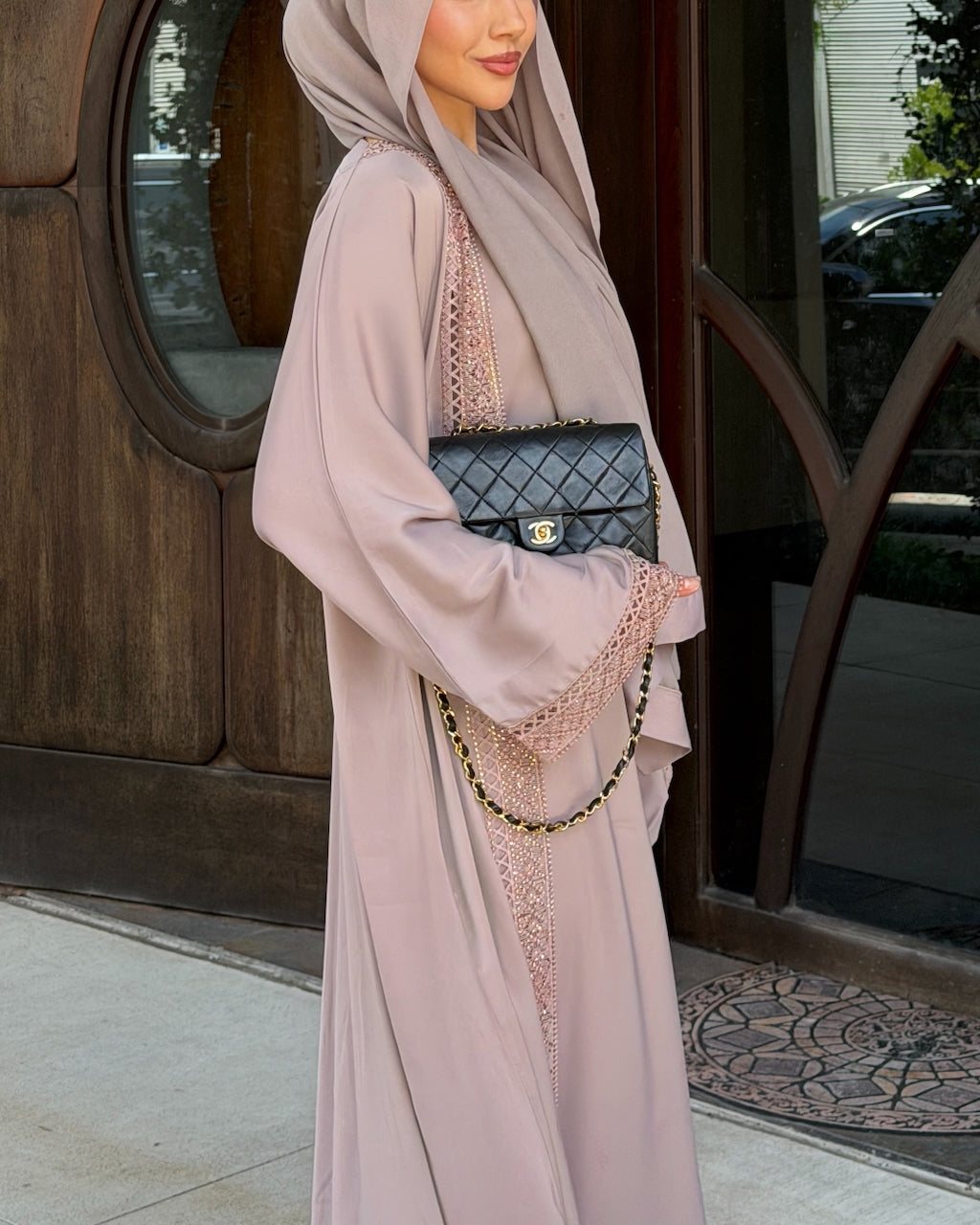
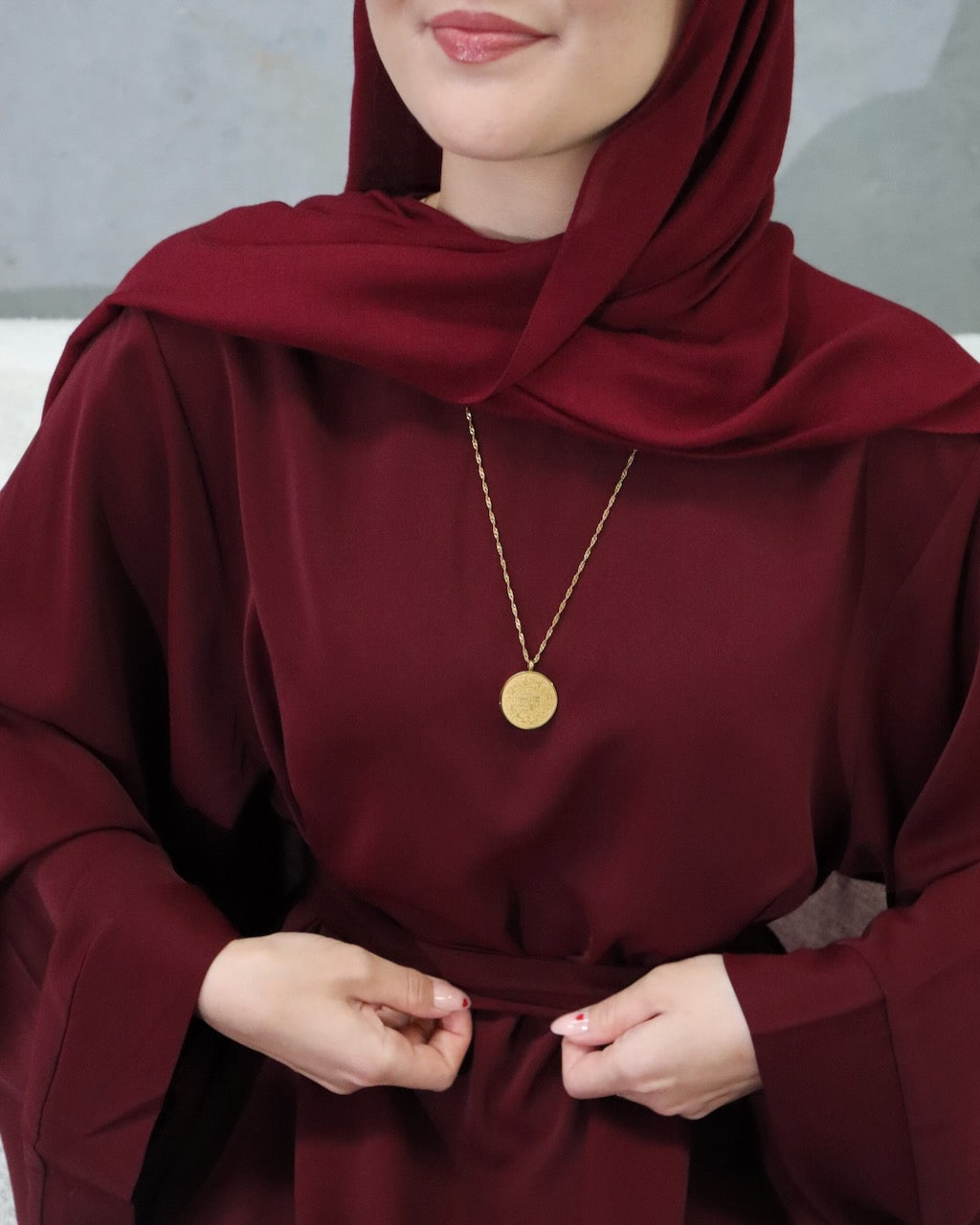
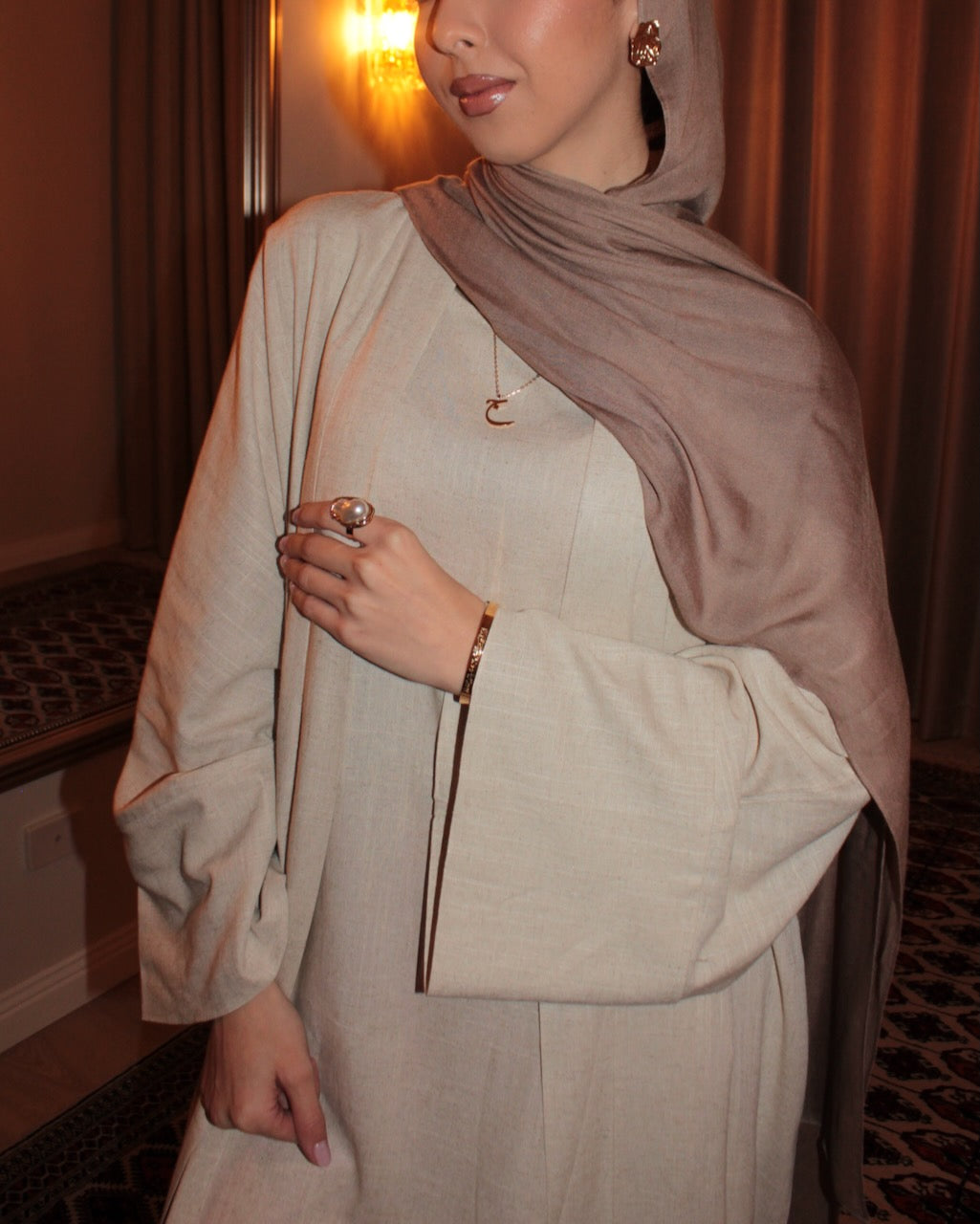
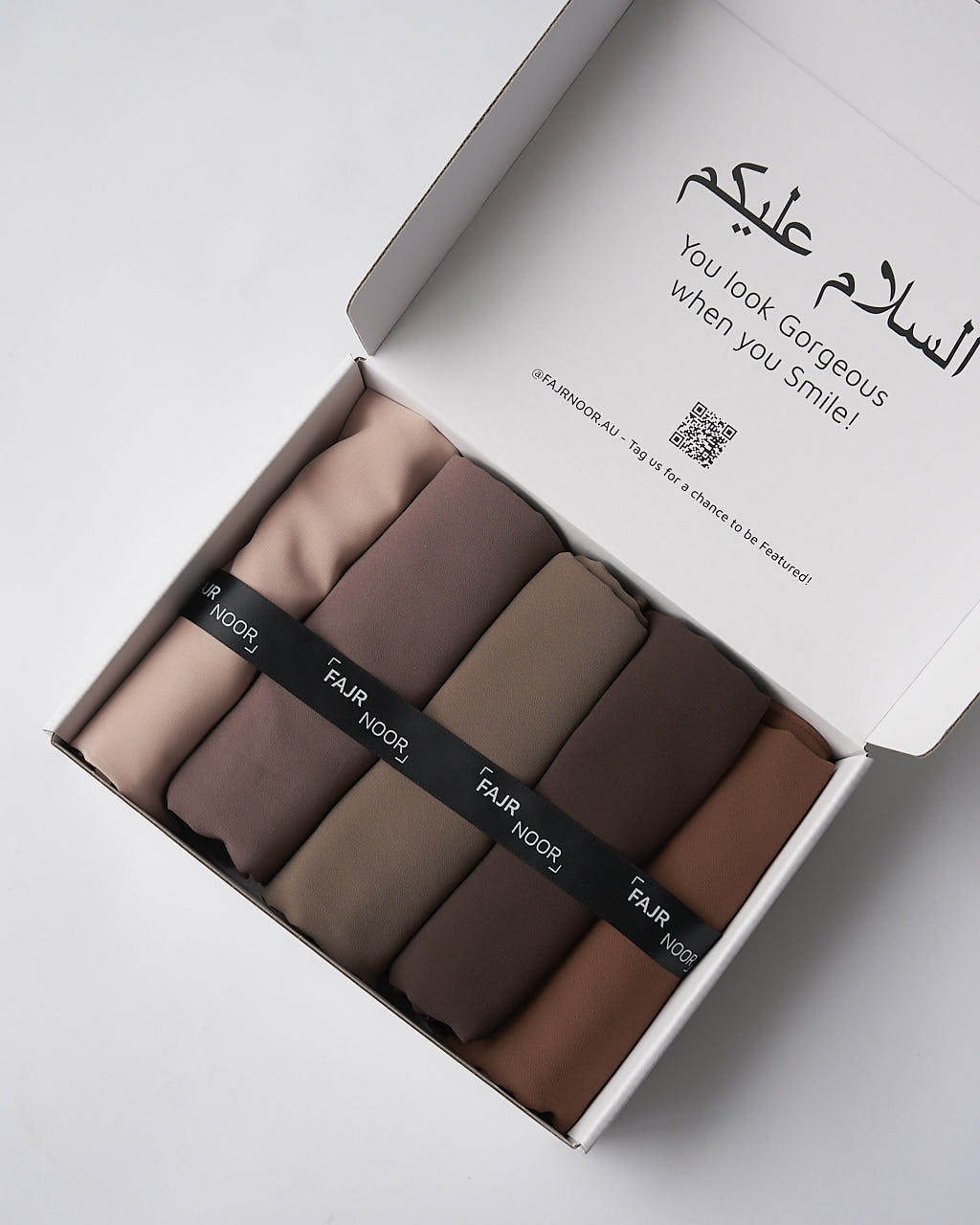
Fajr Noor now supports Bitcoin, and we welcome it. You can pay with Bitcoin at checkout for abayas, hijabs, books and everything else in our store.
When you pay a Muslim business with Bitcoin, you are using money the way it was meant to be used. Fair trade between people. No bank in the middle. No interest. No one printing money to take from you.
We hope more Muslim businesses join us. The more of us who use honest money, the stronger our Ummah becomes.
Frequently Asked Questions
Is Bitcoin halal?
Yes. Bitcoin is halal. It is honest money with no interest built in, and nobody can print more of it. Like gold, it can be used in halal or haram ways. Saving it, spending it on halal things and trading it honestly is halal.
Is Bitcoin haram?
No. Bitcoin itself is not haram. Some uses of it are haram, like lending it for interest, buying it with an interest loan or gambling with it. The same uses are haram with dollars too.
Is crypto haram?
Bitcoin is different from most other coins. Bitcoin has a fixed supply and no company or person in charge. Many other coins are run by companies that can create more coins whenever they want. Be careful with those, even when they carry an “Islamic” label.
Is investing in Bitcoin halal?
Yes. Buying Bitcoin with your own money and holding it as savings is halal. Using borrowed money, leverage or betting on price moves is not. Bitcoin's price can go up and down a lot, so only put in money you can leave alone for a long time.
Is fiat money halal?
Fiat money is made from nothing as a loan with interest, and it loses value every year through inflation. We believe this makes fiat money unjust at its very root. That is why we encourage Muslims to learn about Bitcoin as a better way to save.
Why do some scholars say Bitcoin is haram?
Many rulings came out when Bitcoin was new and not well understood. Some came from government religious offices in countries that depend on their own fiat money. The other reasons, like gambling and crime, are about how people use money, not the money itself.
Do I pay zakat on Bitcoin?
Yes. Bitcoin is wealth. Pay 2.5% of its value on your zakat day if your total savings are above the nisab and you have held them for one Islamic year.
Can I pay with Bitcoin at Fajr Noor?
Yes. Fajr Noor now accepts Bitcoin at checkout.
Keep Learning
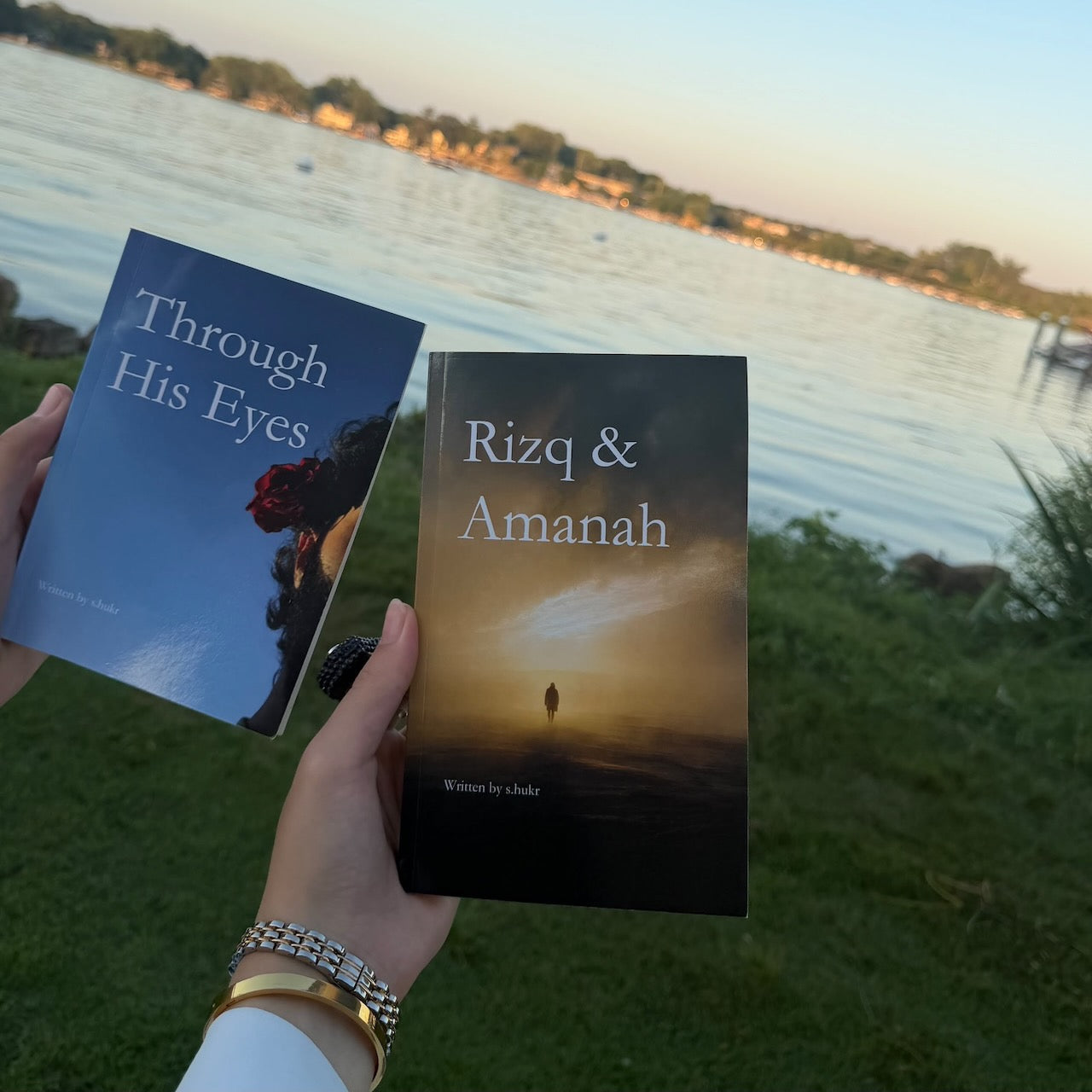
Halal money starts with how you see what Allah gives you. Rizq & Amanah by s.hukr explains provision, trusting Allah and the responsibility that comes with every dollar, or bitcoin, you hold.
You can also read What Is Rizq?, What Is Amanah? and 5 Financial Tips for Young Muslims.
Ready to read it? Get your copy of Rizq & Amanah by s.hukr at Fajr Noor, and pay with Bitcoin if you like.
This article is for learning only and is not financial advice.


Leave a comment
All comments are moderated before being published.
This site is protected by hCaptcha and the hCaptcha Privacy Policy and Terms of Service apply.