

The Question Behind the Question
When people ask what to wear to a Muslim wedding, they are usually asking something more specific. Will I be underdressed? Will I accidentally be disrespectful? Is there a rule I do not know about?
The reassuring answer is that Muslim weddings vary enormously by culture, family and country, and guests are rarely judged harshly. The genuinely useful answer is that a few decisions matter more than the rest, and once you have made them the outfit follows easily.
First, Find Out Which Kind of Event It Is
This single question changes everything, so ask whoever invited you.
Segregated. Men and women celebrate in separate rooms or separate events. Women often dress considerably more elaborately, because the room is women only. This is where the beaded gowns and the full hair come out.
Mixed. Everyone together. Dress is generally more modest across the board, and a considered abaya or a long modest dress is exactly right.
Nikah only. The marriage contract itself, often at a masjid and often shorter and more solemn than the reception. Dress modestly and relatively simply. This is not the moment for the most dramatic thing you own.
If you cannot ask, dress for the mixed scenario. It is the safer default in both directions.
The Colour Rules That Actually Exist
There are fewer than people fear, but these two are real.
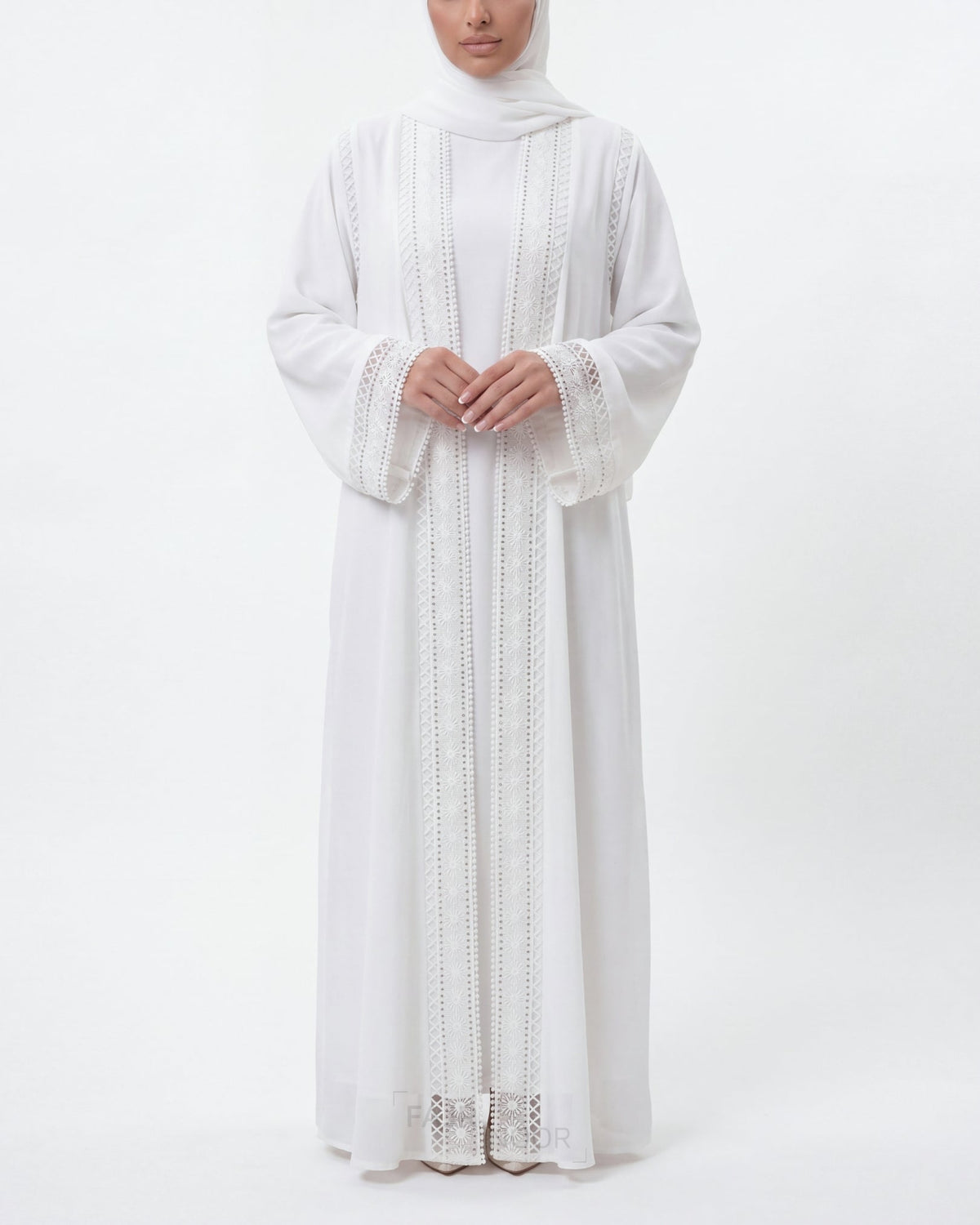
Avoid white and ivory unless you have been told otherwise. Many Muslim brides now wear white, and turning up in it reads the same way it would at any other wedding.
Ask about red and heavily embellished gold. In many South Asian and some Middle Eastern traditions, these are bridal colours. In other cultures they are completely ordinary guest colours. One question to the host settles it.
Beyond that, you have the whole palette. Emerald, navy, deep burgundy, dusty rose, charcoal and warm neutrals all photograph beautifully and none of them compete with a bride.
How to Cover Well Without Looking Plain
Modest occasion dressing is not about adding fabric until the outfit disappears. It is about where the interest sits.
The reliable structure is one focal point and everything else quiet. If the garment has detail, keep the jewellery small. If the garment is plain, let the jewellery and the hijab fabric carry the occasion.
Practically:
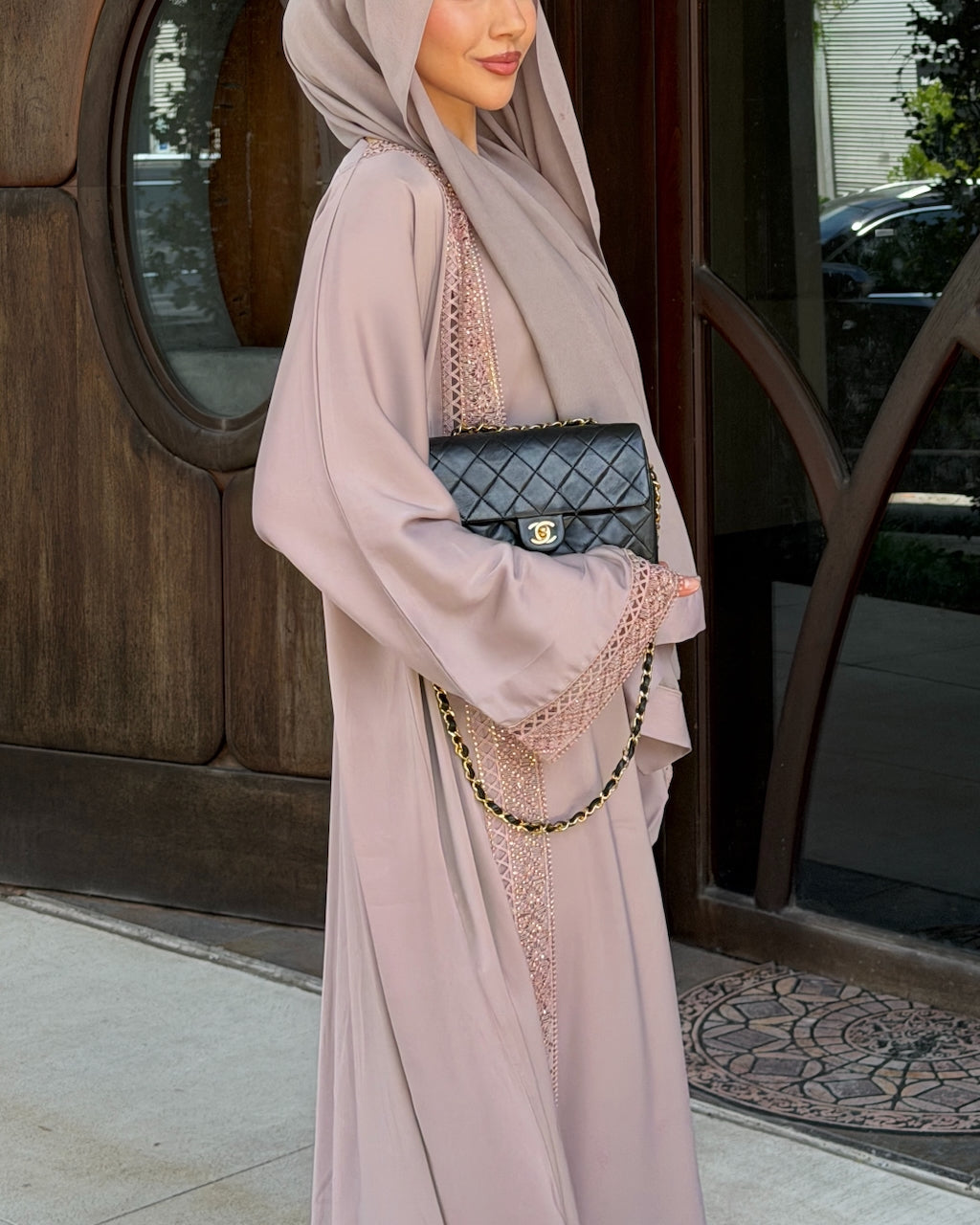
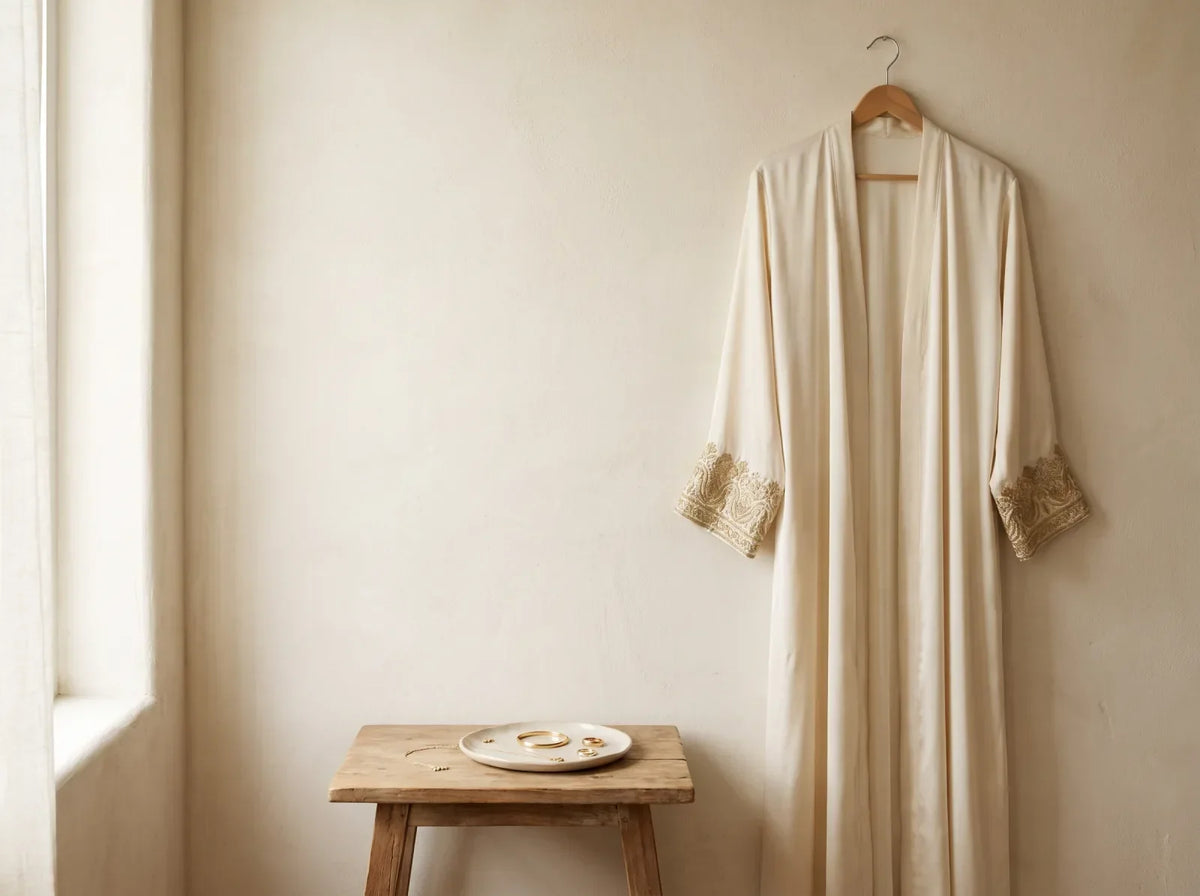
- A luxury abaya with embroidery or lace at the cuff and hem is the simplest way to look considered without effort. See the luxury abayas.
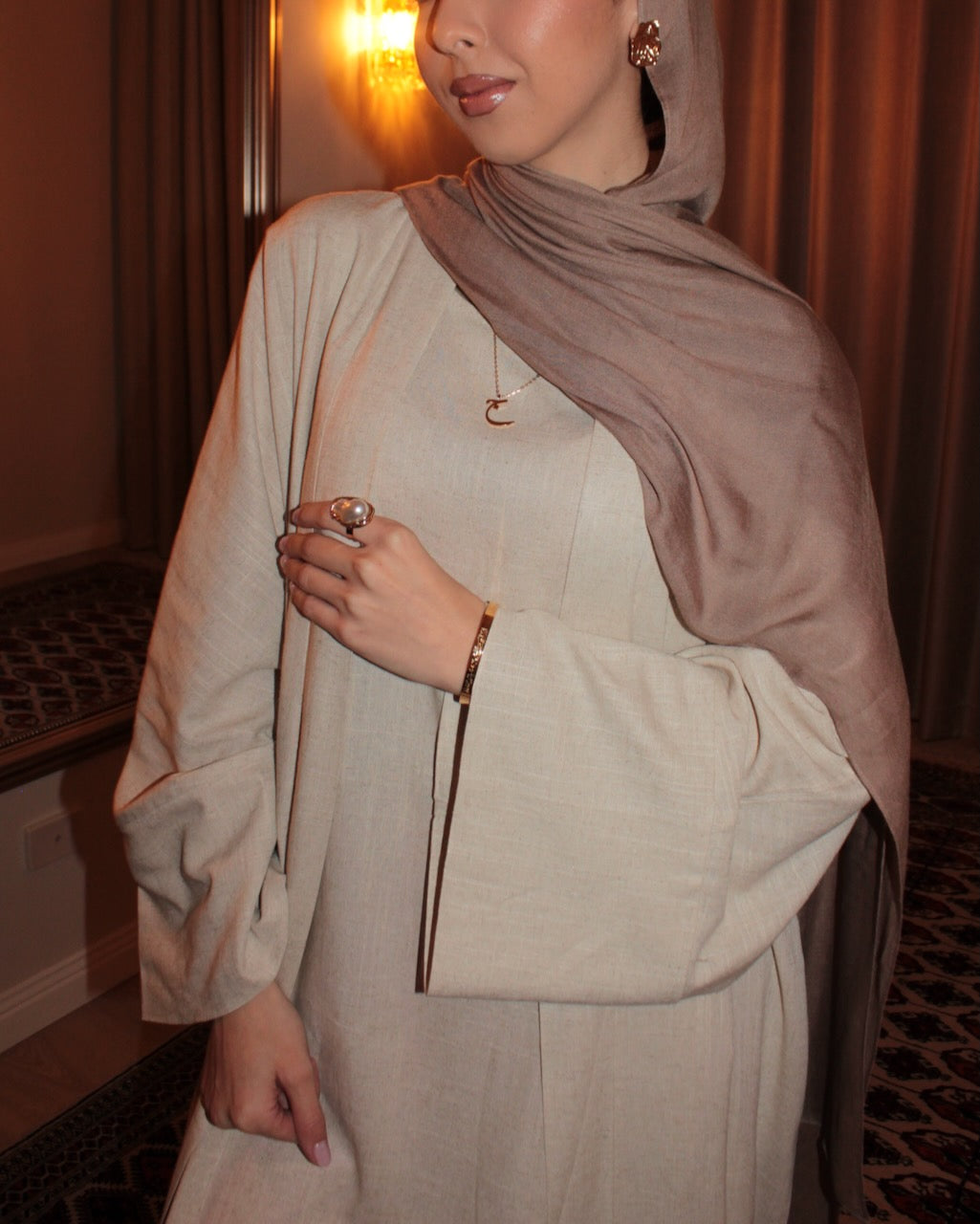
- An open abaya over a coordinating inner dress gives you two layers of colour and a more constructed look. The open abayas work well for this.
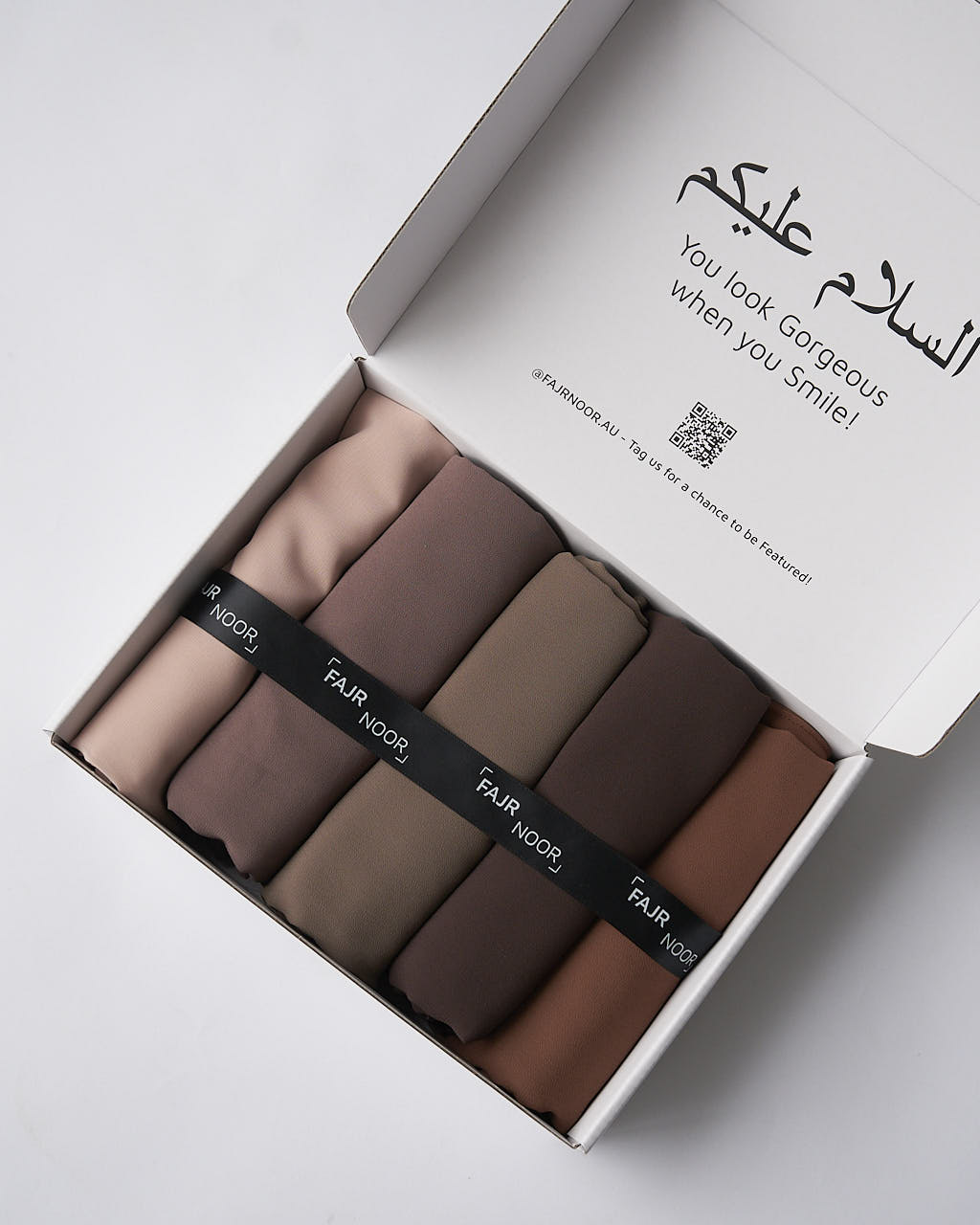
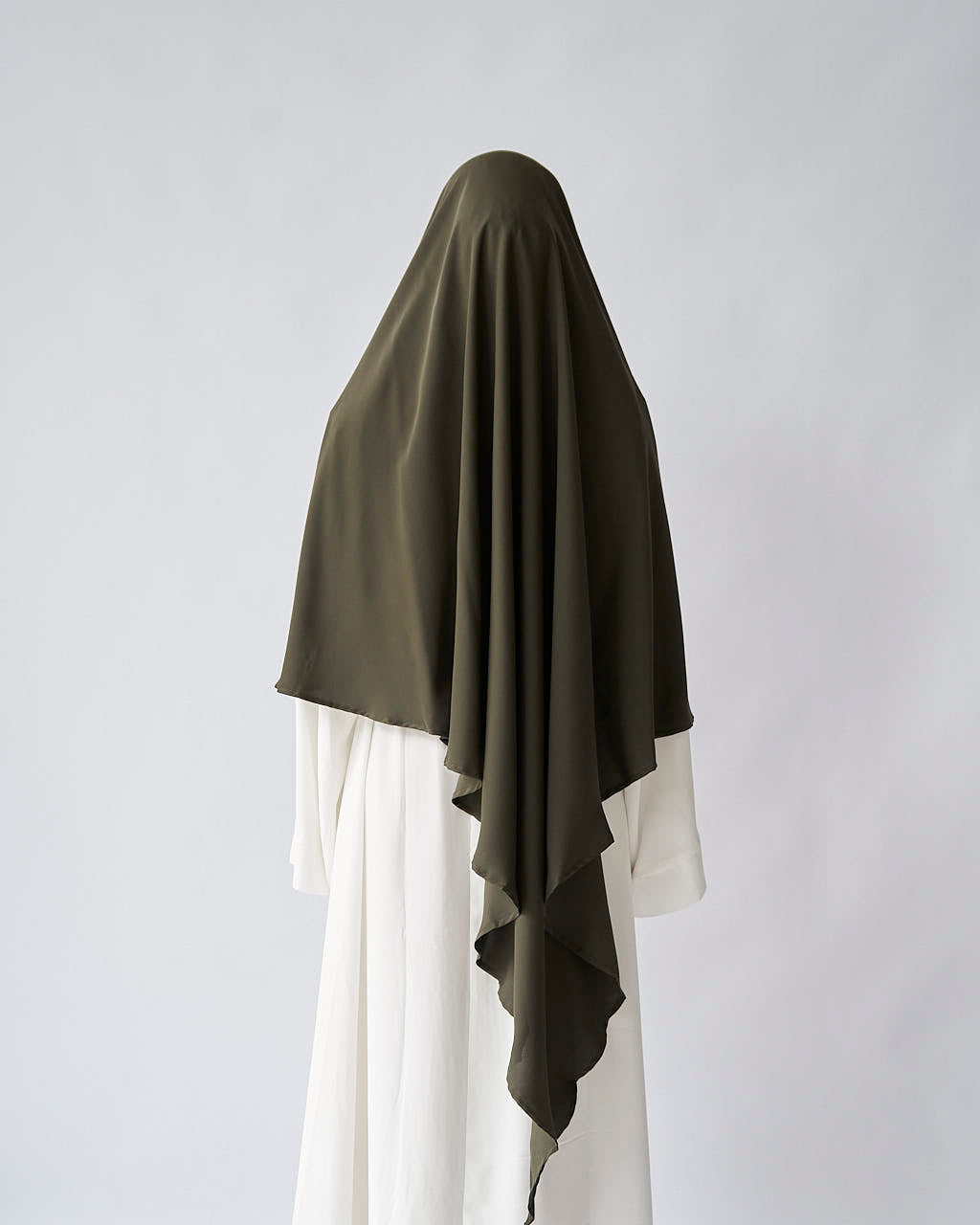
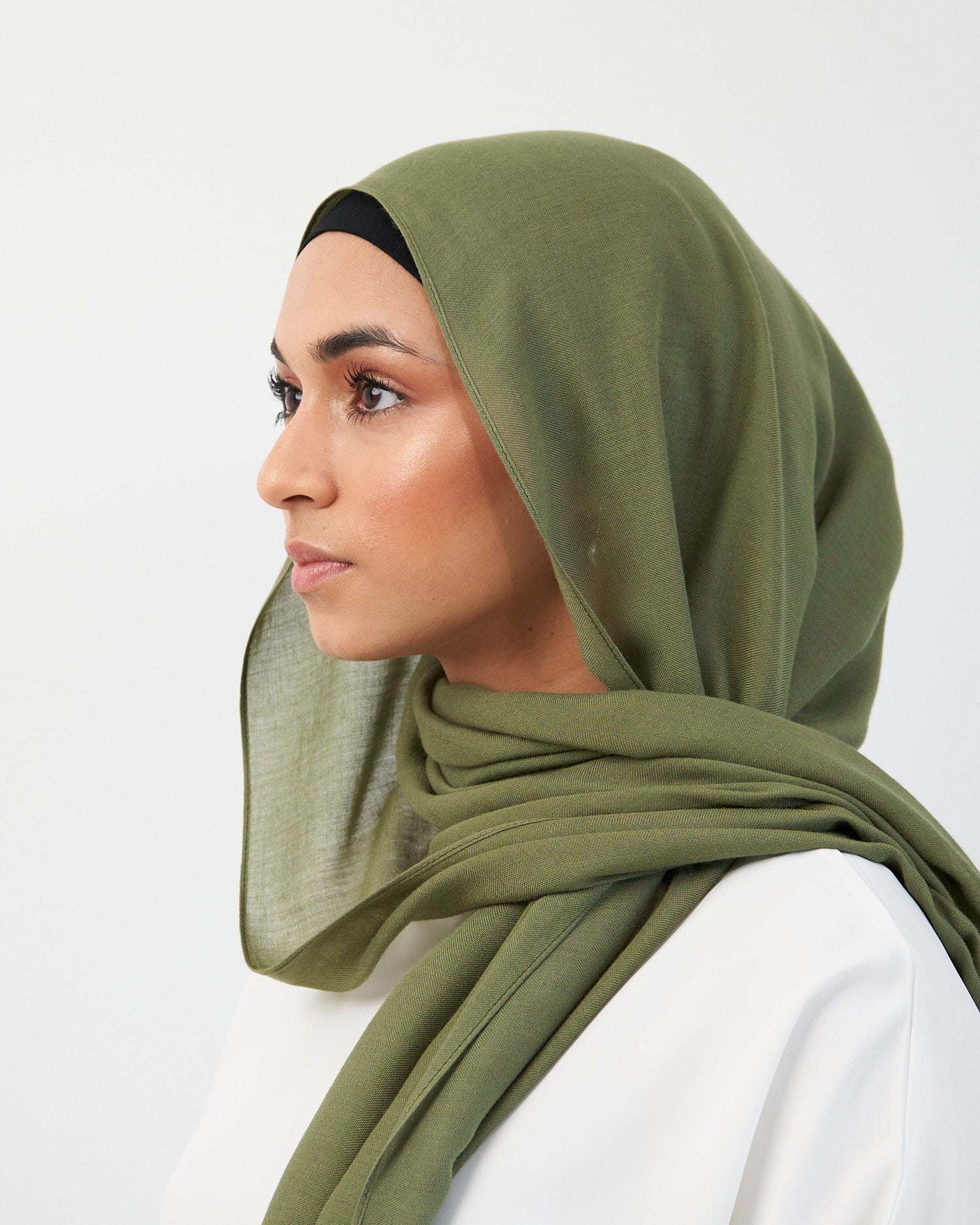
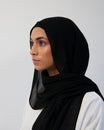
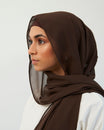
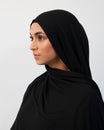
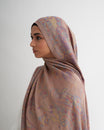
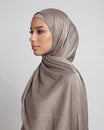
- A satin or chiffon hijab rather than jersey. Occasion fabrics catch light, and that is most of the difference between everyday and event.
The Practical Things Nobody Mentions
Muslim weddings are long. Often five or six hours, sometimes with a gap between the nikah and the reception. Three things follow from that.
You will sit on the floor at some events. Not always, but often enough that a garment you can sit down in comfortably is worth choosing over one that is beautiful standing up.
You will take your shoes off. At a masjid nikah, certainly. Choose shoes you can slip on and off, and wear socks or hosiery you are happy to be seen in.
You will be photographed a great deal. Fabrics that hold their shape photograph better than fabrics that crush. If you are travelling to the venue, consider how the garment looks after an hour in a car seat.
Jewellery: One Piece, Chosen Well
Modest dressing leaves less skin visible, which means jewellery has fewer places to sit and each piece carries more weight. This works in your favour.
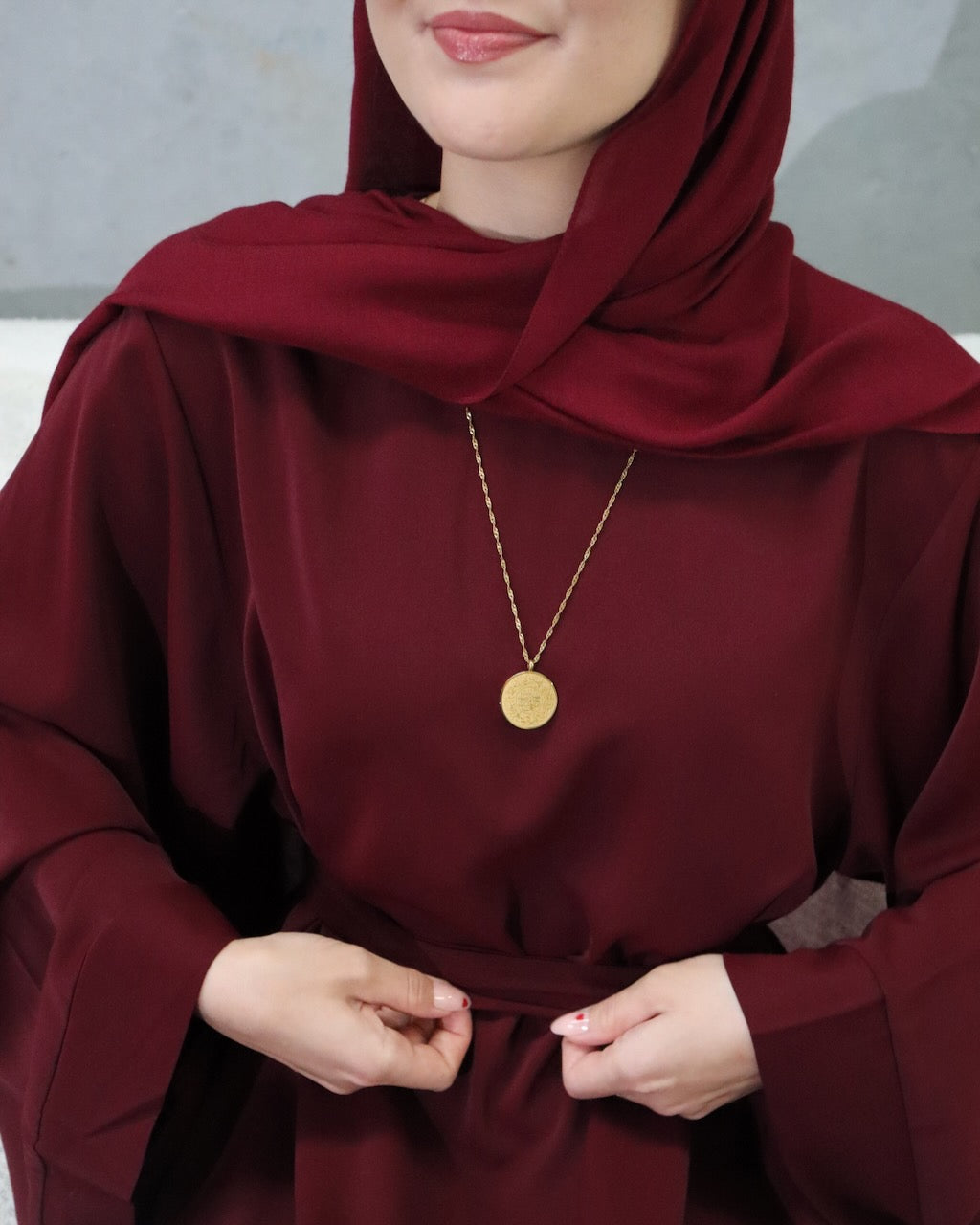
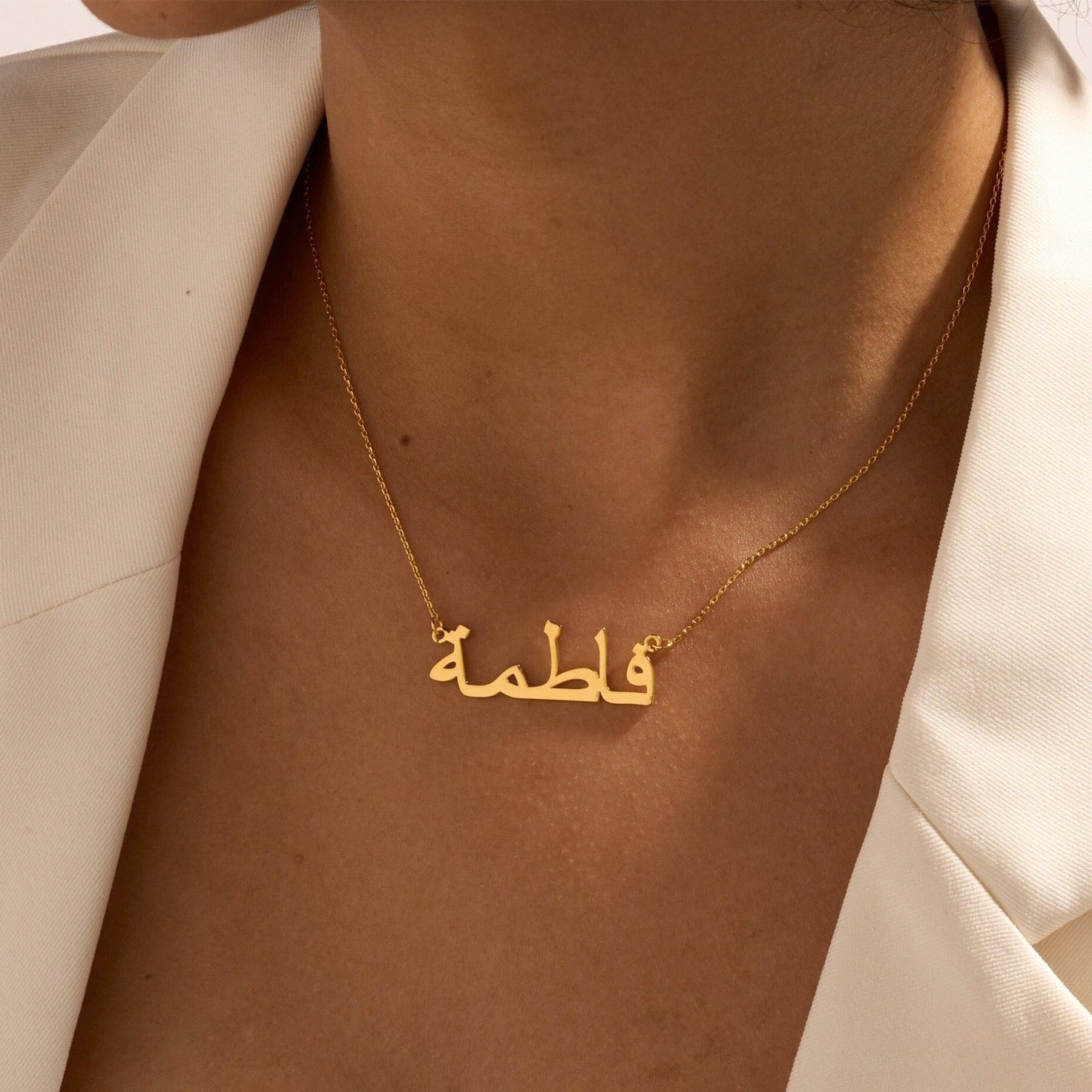
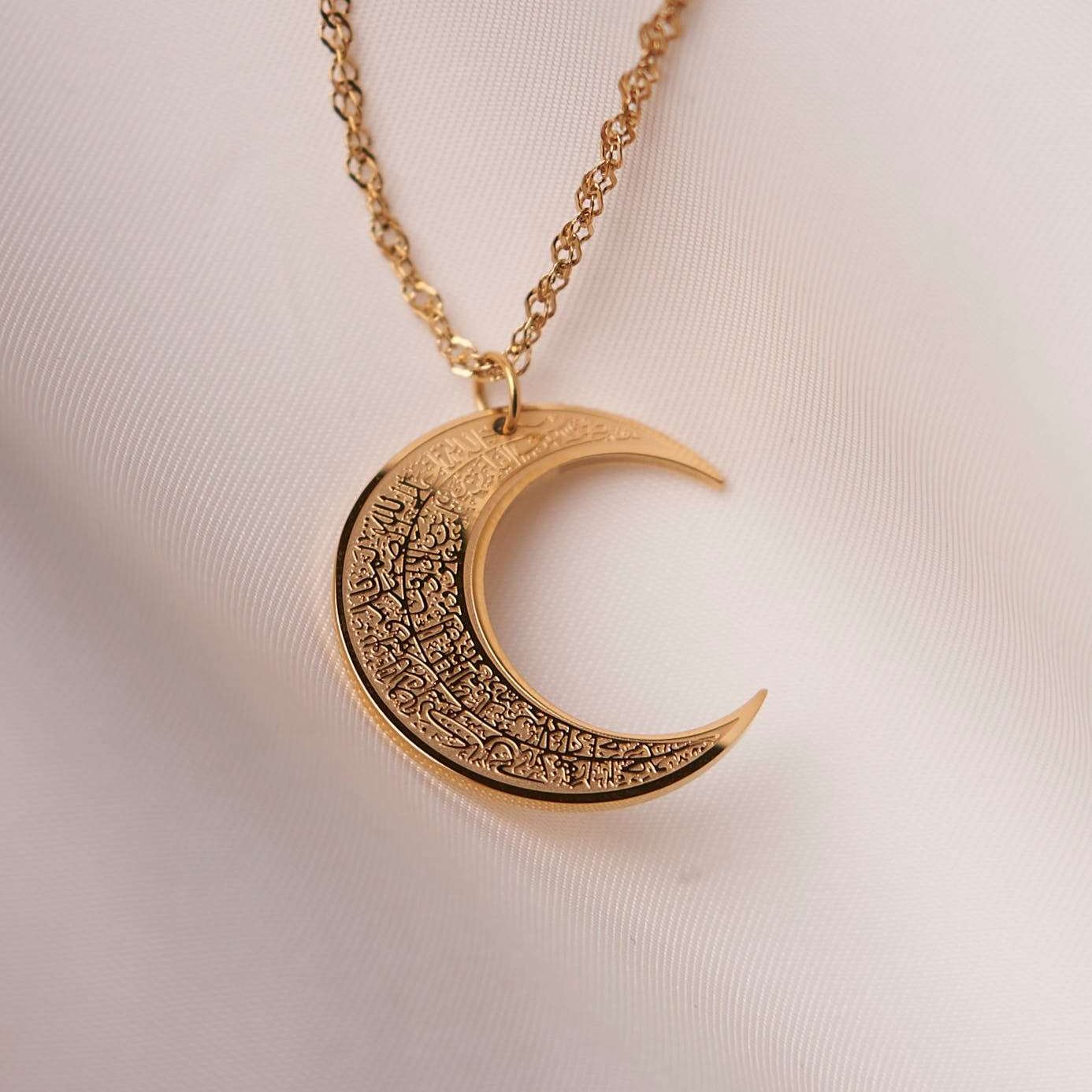
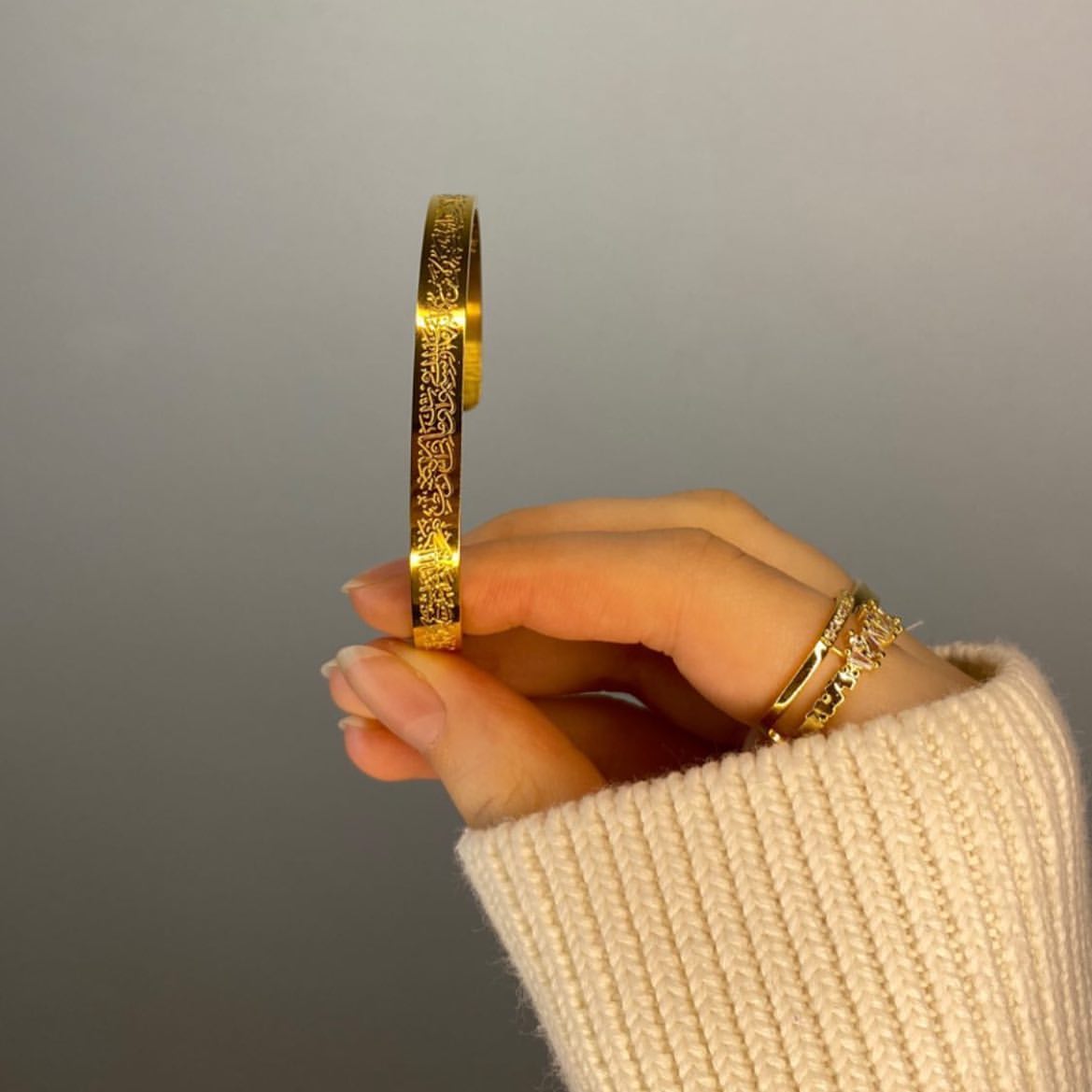
A single considered necklace over a plain abaya does more than three pieces competing. Earrings work hard because they sit near the face and above the hijab line. Layered bracelets are visible when you eat, greet and gesture, which is most of a wedding. Our jewellery is designed to sit well against modest necklines.
If You Are Not Muslim
You are very welcome, and nobody expects you to dress as a Muslim guest would. Cover your shoulders and knees, choose something you can sit comfortably in, avoid white, and bring a scarf in your bag in case you enter a prayer area. That is genuinely the whole list.
You will not be the only person unsure of the etiquette, and Muslim weddings tend to absorb guests warmly rather than scrutinise them.
Frequently Asked Questions
Can I wear black to a Muslim wedding?
Yes. Black is not a mourning colour at Muslim weddings the way it is at some Western ones, and a well-cut black abaya is one of the most elegant things you can wear as a guest.
Do I have to cover my hair as a guest?
Not usually, if you are not Muslim, except inside a masjid or a designated prayer area. Bringing a scarf in your bag covers you for both situations without committing you to wearing it all evening.
What colours should I avoid?
White and ivory, because many brides now wear them. Ask about red and heavy gold, which are bridal in some cultures and completely ordinary in others.
How formal is a nikah compared to a reception?
A nikah is the marriage contract itself and is often shorter, quieter and held at a masjid. Dress modestly and relatively simply. The reception is where the more elaborate outfits belong.
What should I wear to a women-only wedding?
Considerably more than you might expect. Women-only receptions are often the most dressed-up events in the calendar, so a full occasion outfit is appropriate rather than excessive.
How long do Muslim weddings usually last?
Often five or six hours, sometimes with a gap between the nikah and the reception. Choose a garment you can sit down in comfortably and shoes you can slip on and off.

Leave a comment
All comments are moderated before being published.
This site is protected by hCaptcha and the hCaptcha Privacy Policy and Terms of Service apply.