

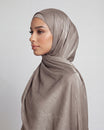

Marriage in Islam is called nikah (نِكَاح). It is a sacred contract between a man and a woman, made before Allah, that makes them lawful to each other and builds a home on love, mercy and shared responsibility. It is a Sunnah of the Prophet ﷺ and, for many people, an act of worship that completes half of their faith.
In a world where relationships are often casual and easy to walk away from, Islam treats marriage as something far more serious and far more beautiful. This guide explains what marriage means in Islam, why it matters, what makes a nikah valid, and the rights a husband and wife owe each other. Along the way you will find books from our collection that go deeper into each part of the journey.
The Meaning of Nikah
The Arabic word nikah carries the sense of joining and bringing together. In Islamic law it refers to the marriage contract, and the wedding celebration that announces it is called the walimah.
The Quran describes marriage with a powerful phrase. It calls it a mithaqan ghaliza, a solemn and firm covenant (Quran 4:21). The same phrase is used elsewhere in the Quran for the covenant Allah took from His prophets. That tells you how seriously marriage is regarded. It is not a casual arrangement. It is a promise made in front of your Lord.
The Purpose of Marriage in Islam
The most famous verse on marriage explains its purpose in a single sentence:
“And of His signs is that He created for you from yourselves mates that you may find tranquillity in them; and He placed between you affection and mercy. Indeed in that are signs for a people who give thought.” (Quran 30:21)
From the Quran and Sunnah, scholars draw out several purposes of marriage:
- Sakinah (tranquillity). A spouse is meant to be a place of rest and peace, someone you come home to.
- Mawaddah and rahmah (love and mercy). Love keeps a marriage warm, and mercy keeps it alive when love is tested.
- Protecting chastity. The Prophet ﷺ told young people that whoever is able to marry should do so, because it helps lower the gaze and guard modesty. (Sahih al-Bukhari 5066)
- Building a family. Marriage is the foundation of family, children and the next generation of believers.
- Helping each other reach Jannah. The best marriages make each spouse a better Muslim.
The Quran also says, “They are clothing for you and you are clothing for them” (Quran 2:187). Clothing covers, protects, warms and beautifies. A husband and wife are meant to do the same for each other, including covering each other's faults.
Is Marriage Sunnah or Fard?
Marriage is a Sunnah of the Prophet ﷺ, who said, “Marriage is part of my Sunnah, and whoever does not follow my Sunnah has nothing to do with me.” (Sunan Ibn Majah 1846)
Scholars explain that the ruling depends on the person. For someone who can afford marriage and fears falling into haram without it, marriage becomes obligatory. For most people with the means, it is a highly recommended Sunnah. For someone who knows they would harm or wrong a spouse, it can become disliked or even forbidden until they are ready.
A narration often quoted on this topic says that when a person marries, they have completed half of their religion, so let them fear Allah in the other half. (Reported by al-Bayhaqi in Shu'ab al-Iman)
What Makes a Nikah Valid?
The details differ slightly between the madhabs, but the main conditions of a valid Islamic marriage are:
- Consent of both the bride and the groom. The Prophet ﷺ said a previously married woman must be consulted and a virgin must give her permission. (Sahih al-Bukhari 5136) A forced marriage is not what Islam teaches.
- The wali (guardian) of the bride. The majority of scholars require the bride's guardian, usually her father, to be involved in the contract.
- Two witnesses. The marriage must be witnessed and announced, not hidden.
- Ijab and qabul (offer and acceptance). A clear offer and a clear acceptance, usually in the same sitting.
- Mahr (dowry). A gift from the groom to the bride that belongs to her alone. “And give the women their dowries as a free gift.” (Quran 4:4)
The Prophet ﷺ encouraged keeping marriage simple and affordable. A nikah does not need a huge budget. It needs sincerity, the right people present, and a clear agreement. If you are planning the day itself, our Nikah Dress Guide and What to Wear to a Muslim Wedding can help.
Choosing a Spouse in Islam
The Prophet ﷺ said, “A woman is married for four things: her wealth, her lineage, her beauty and her religion. So choose the one with religion and you will prosper.” (Sahih al-Bukhari 5090)
The same principle applies to choosing a husband. He also said that if someone whose religion and character please you comes to propose, marry him. (Jami` at-Tirmidhi 1084)
Beauty fades, money comes and goes, and status changes. Character and faith are what carry a marriage through illness, hardship and old age.
For brothers who want to prepare properly, How to Marry a Muslim Girl is our bestselling guide to becoming the kind of man a righteous woman would want to marry, and approaching marriage with purpose rather than pressure.
Rights of the Husband and Wife in Islam
A marriage works when both people know what they owe each other, not only what they are owed.
Rights of the wife
- Her mahr, given fully and willingly.
- Nafaqah (financial support). The husband provides housing, food, clothing and her needs, according to his means. Her own money remains hers.
- Kindness and good treatment. “And live with them in kindness.” (Quran 4:19)
- Protection of her honour and dignity.
- Justice, including fair time and attention.
Rights of the husband
- Respect for his role as the one responsible for leading and providing for the family (Quran 4:34).
- Trust and loyalty, including guarding the home, his wealth and her own chastity in his absence.
- Cooperation in building a home that pleases Allah.
The Prophet ﷺ set the standard for husbands in one sentence: “The best of you are those who are best to their wives, and I am the best of you to my wives.” (Jami` at-Tirmidhi 3895) He mended his own clothes, helped at home and raced his wife Aisha (may Allah be pleased with her) for fun.
For a detailed, scholarly treatment of these duties, read The Rights of the Husband and Wife. To understand women better, especially if you are a brother preparing for marriage, Bent Rib by Huda Khattab is a thoughtful read.
Love in an Islamic Marriage
Some people imagine Islamic marriage as cold or purely practical. The Sunnah shows the opposite. The Prophet ﷺ loved Khadijah so deeply that he honoured her friends for years after she passed away. When asked who he loved most, he answered openly: Aisha.
Love in Islam is not something to hide inside a marriage. It is something to grow. Small acts count: a kind word, a gift, a smile, making dua for your spouse when they are not around.
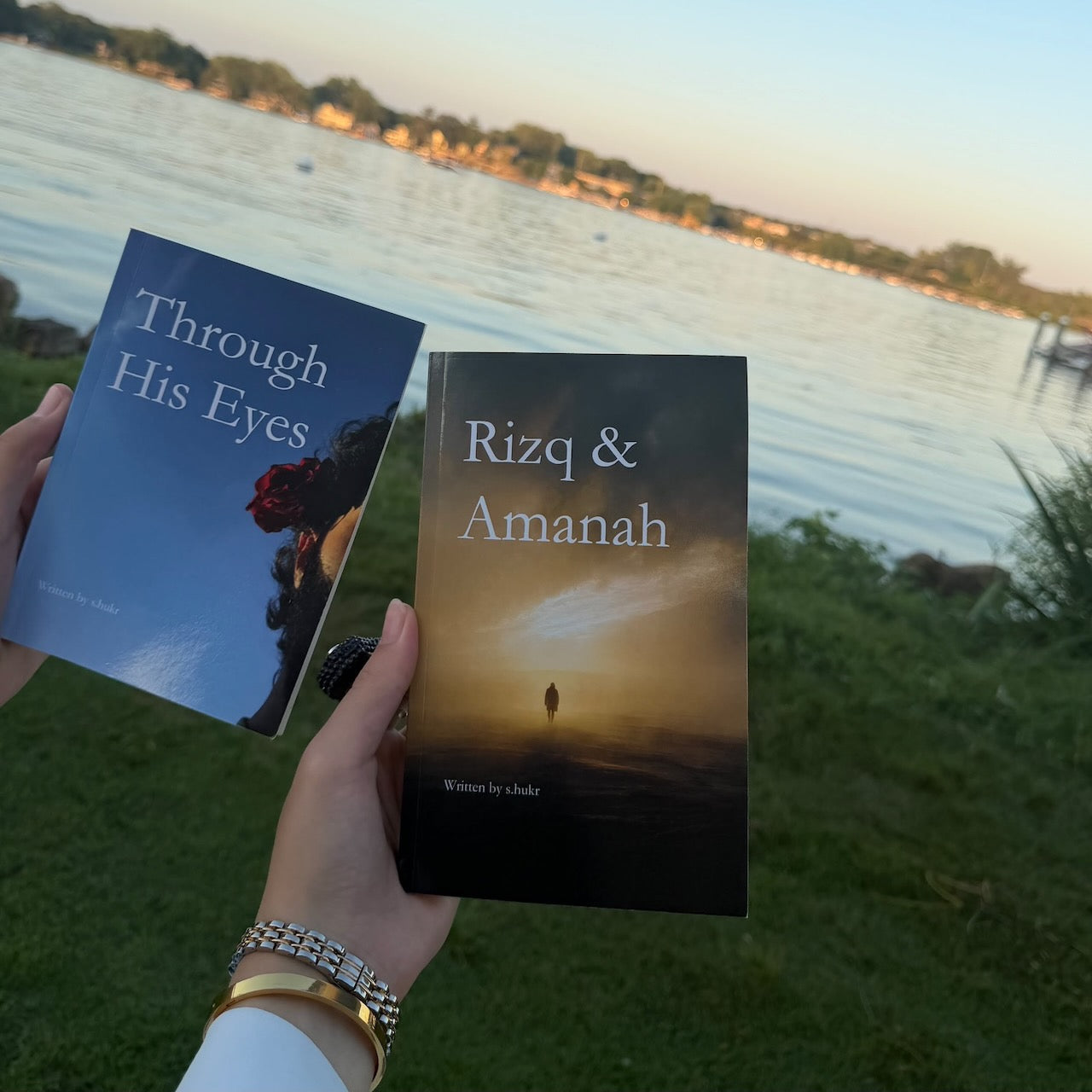
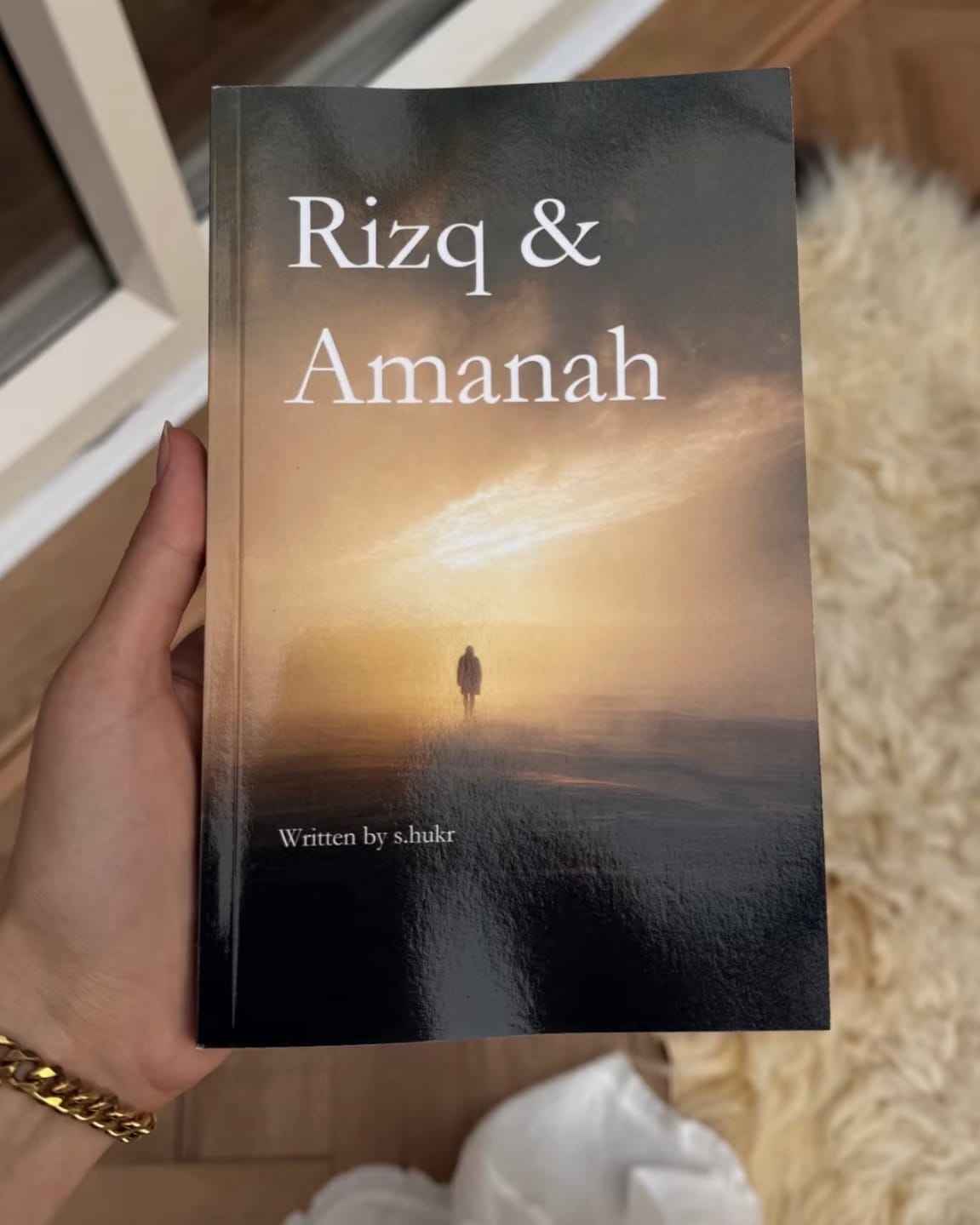
If you want words for that kind of love, our s.hukr books Divine Love and Through His Eyes are collections of halal love poetry, written for hearts that want romance with Allah at the centre. You can read a selection in 20 Top Islamic Love Quotes from Divine Love and 20 Top Islamic Love Quotes from Through His Eyes.
Keeping a Marriage Strong
Every marriage faces tests. Money, in-laws, children, stress and simple misunderstandings can all build up. A few habits make a real difference:
- Pray together when you can, and make dua for each other.
- Speak with gentleness, especially when you disagree.
- Remember the good. The Prophet ﷺ said a believing man should not hate a believing woman, because if he dislikes one of her traits he will be pleased with another. (Sahih Muslim 1469)
- Keep private matters private, and seek help from wise family or a counsellor when needed.
Married Ever After is a practical guide built on 20 Quranic principles, Prophetic examples and modern research on what keeps couples together. It is one of the best books to read before or after the nikah.
Frequently Asked Questions
What is marriage in Islam called?
Marriage in Islam is called nikah. The marriage contract is the aqd al-nikah, and the wedding feast that announces it is the walimah.
What does the Quran say about marriage?
The Quran describes marriage as a sign of Allah, created so spouses can find tranquillity in each other, with love and mercy between them (Quran 30:21). It calls marriage a firm covenant (Quran 4:21) and describes spouses as clothing for one another (Quran 2:187).
Is marriage in Islam sunnah or fard?
Marriage is a Sunnah of the Prophet ﷺ. It becomes obligatory for someone who can afford it and fears falling into sin without it, and it is highly recommended for most others.
What are the conditions of a valid nikah?
The main conditions are the consent of both bride and groom, the involvement of the bride's wali according to most scholars, two witnesses, a clear offer and acceptance, and the mahr given to the bride.
What is the purpose of marriage in Islam?
Marriage brings tranquillity, love and mercy between spouses, protects chastity, builds families and helps both husband and wife come closer to Allah and reach Jannah together.
What are the rights of a wife in Islam?
A wife has the right to her mahr, financial support, kind treatment, protection of her dignity and fair treatment. Her own wealth remains entirely hers.
Is love allowed in Islam before marriage?
Feelings are natural and not sinful in themselves. What Islam guards against is acting on them outside of marriage. The halal path is to involve family and move towards nikah with sincerity.
Books for Your Marriage Journey
- How to Marry a Muslim Girl – for brothers preparing for marriage
- Married Ever After – 20 Quranic principles for a lasting marriage
- The Rights of the Husband and Wife – the duties of each spouse
- Divine Love and Through His Eyes – halal love poetry by s.hukr
May Allah bless every marriage built for His sake, and make it easy for those still waiting. Browse our full range of Islamic books at Fajr Noor.


Leave a comment
All comments are moderated before being published.
This site is protected by hCaptcha and the hCaptcha Privacy Policy and Terms of Service apply.